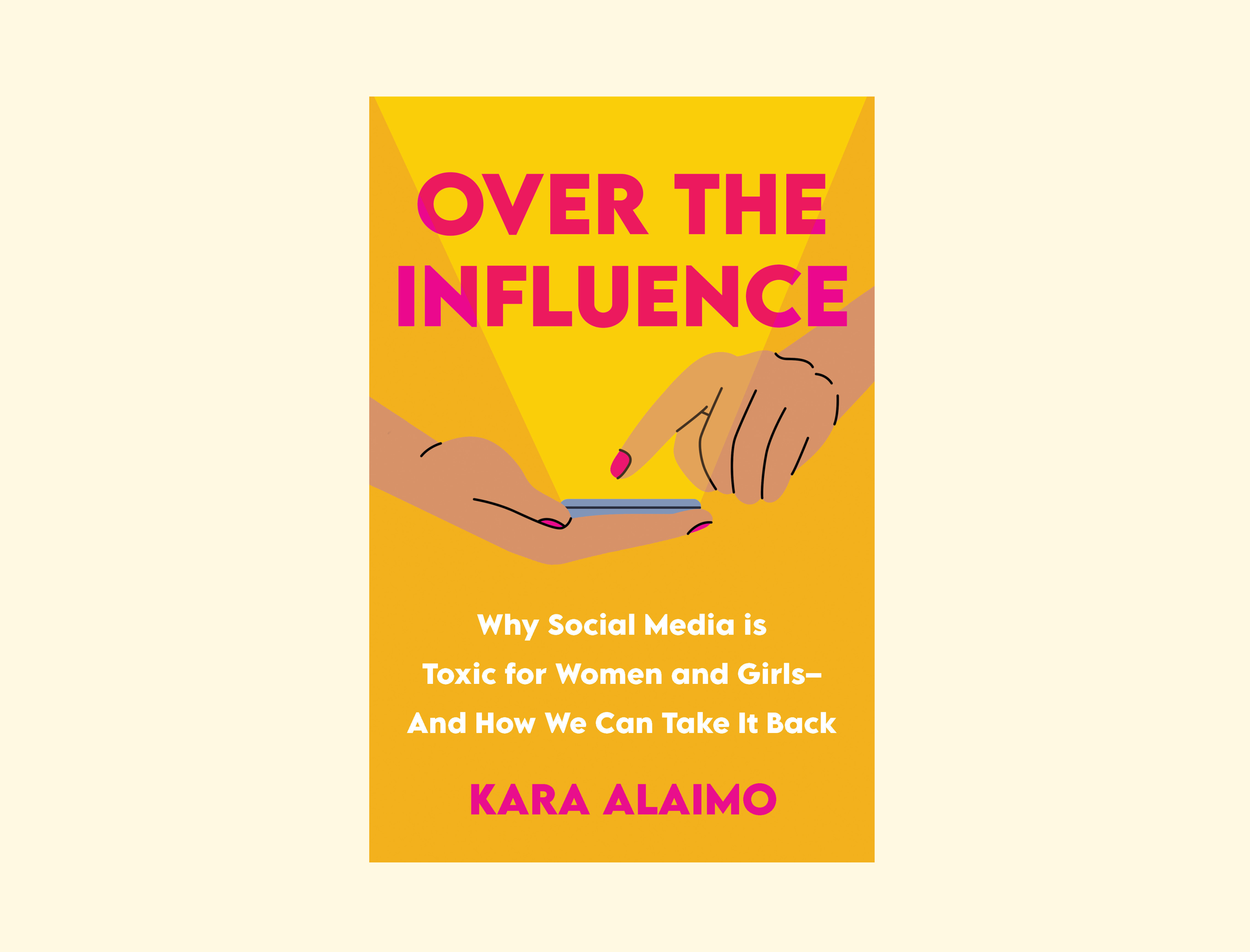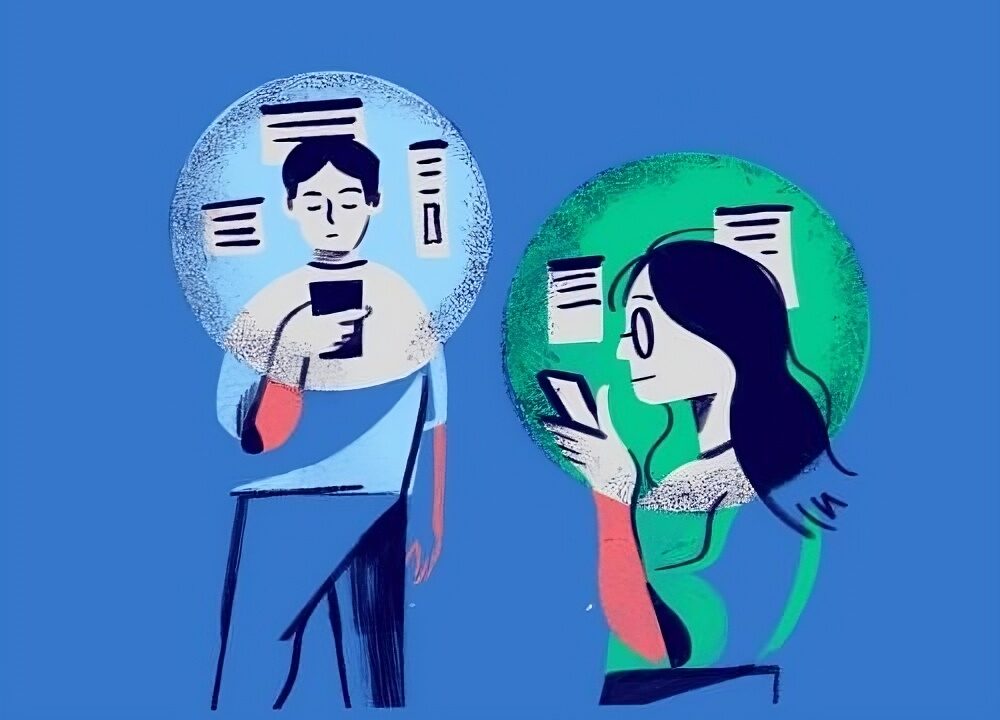
You have a few minutes to yourself and open TikTok. Within moments, you scroll past relationship advice, an “expert” content creator weighing in on current events, and someone your age talking about how she’s living her best life. You pause and start to wonder: Is there something wrong with my relationship? Is that opinion actually true? Am I doing enough with my life? If you have ever found yourself wondering who to believe online, or where to find accurate information, you are not alone.
In fact, social media has become an increasingly popular place for young people to access health information. Seventy-nine percent of young people between the ages of 14 and 17 report seeking help online for health information, such as depression and anxiety. Young people are drawn to seeking help online for several reasons. Social media offers a space to anonymously search for information, to hear from peers in similar situations, and it can mitigate the stigma that is sometimes felt when seeking help in person. Despite these benefits, misinformation is increasingly common for young people to encounter on social media. Exposure to online misinformation, especially without the skills to accurately identify and challenge this type of content, has been linked to anxiety and negative moods. In our personal experience, even as young researchers, navigating online environments can sometimes feel overwhelming despite the sense of community and comfort they can bring. Social media literacy skills can help reduce this uncertainty.
Social media literacy refers to the ability to critically evaluate and interpret the credibility of online content, and participate in online communities in an ethical and responsible manner. These skills support digital wellness by helping young people avoid the negative effects of encountering health-related online misinformation. This is especially important for adolescents, who are more drawn to information based on how it makes them feel, rather than their impressions of its accuracy. Young people with stronger social media literacy skills exhibit reduced anxiety, and demonstrate improved health. Their recognition of accurate information can also lead to healthy lifestyle choices, such as taking regular vaccinations.
A key aspect of social media literacy that is important to our work at Born This Way Foundation is a commitment to contributing to digital spaces in a way that is responsible, kind, and inclusive for all young people. This can include reporting misinformation, intentionally creating kind spaces, and advocating for adequate moderation. With this in mind, we have compiled science-backed ways in which young people can foster social media literacy skills to support digital well-being:
- Lean into Natural Skepticism– The American Psychological Association (APA) suggests that by leaning into their natural skepticism, young people may develop the critical questioning skills to navigate online content effectively. According to the APA, young people can achieve this by asking themselves questions such as, “what makes me trust certain creators more than others?” or “how can I tell when something might not be showing the full story?”
- Practice Your Skills– Deeply engage with sources that teach social media literacy. Across cultures, this type of skill-building has already been added and proven to be effective as a part of standard school curriculum. While these approaches are not yet formalized in the US, games such as Reality Check, developed by Media Smarts in collaboration with Facebook Canada, are free for everyone to access and can be used to practice skill-building. Reality Check is a fun investigative game that encourages players to familiarize themselves with fact-checking websites and reverse image searches.
- Advocate for Change– Lastly, young people can influence their online spaces by advocating for social media companies to adopt policies and design features that reduce the spread of misinformation. For suggestions on how to advocate for change, Born This Way Foundation’s Tech and Social Media Company Resource Guide provides tangible suggestions for tech and social media companies, such as increased online moderation to detect and remove harmful content.
As a part of Born This Way Foundation’s team, we have spent a great deal of time researching digital well-being, and have been struck by how important and valuable online spaces are to young people. However, they do not come without risks of online bullying and misinformation. Through strategies like the ones outlined above, young people can feel empowered to navigate social media more confidently and continue to build kinder and braver online communities.