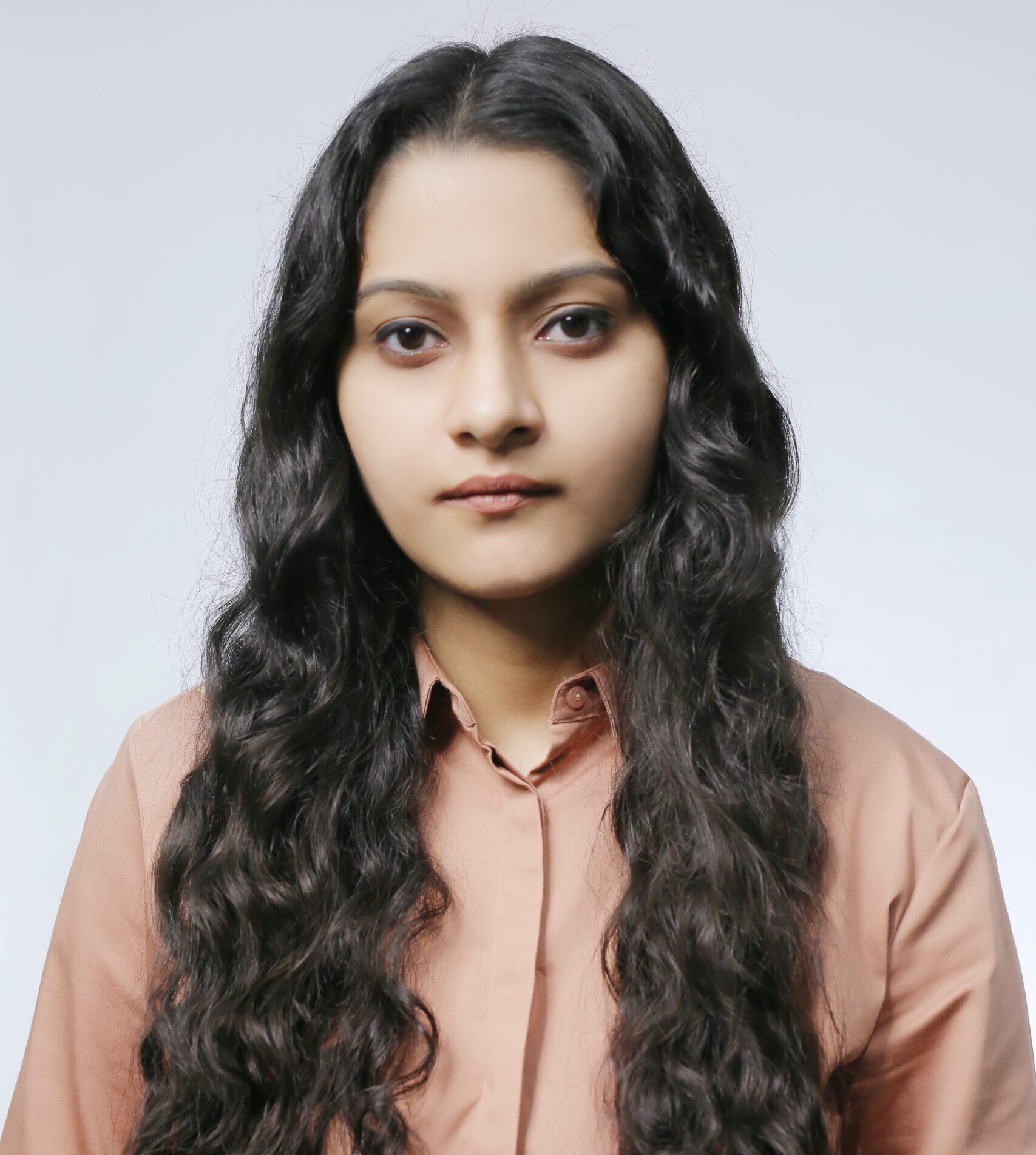


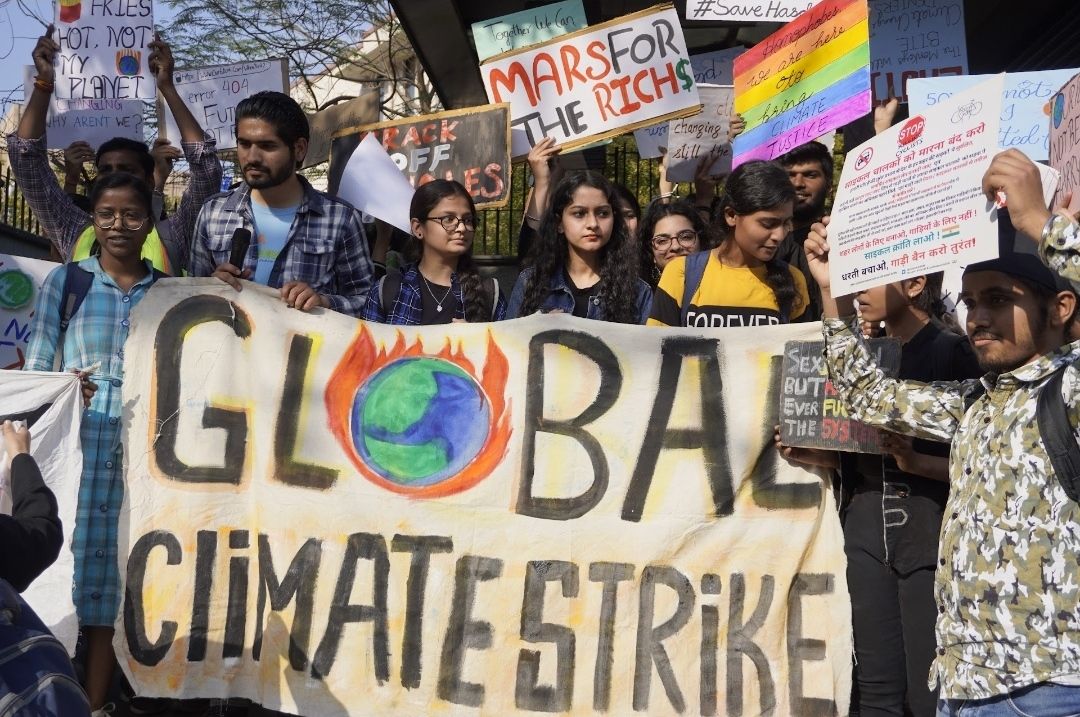
I came to climate work through data and policy, and I remained because of art. Scientific training gave me a precise understanding of planetary change. Art provided the means to translate that knowledge into care, responsibility, and endurance. The intersection of art and science formed a language capable of holding grief without collapse and urgency without exhaustion.
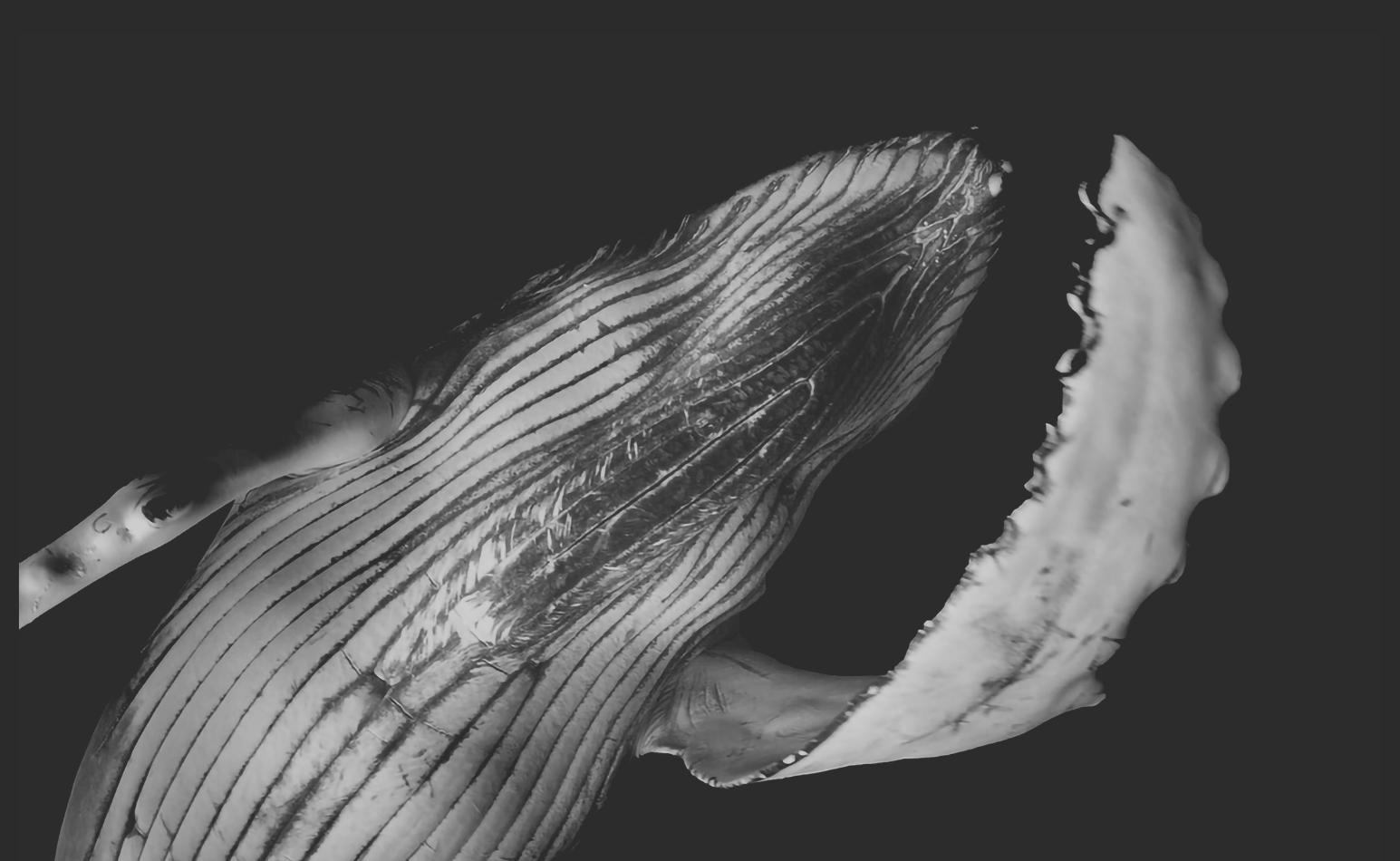
My leadership spans research, advocacy, and systems level transformation. Yet, the most enduring moments of impact I have witnessed have emerged in art galleries, museums, books, literary magazines and journals. They appear when poetry is read aloud and received in silence, when a photograph captures a coral reef on the brink of bleaching, when a painting allows the ocean to be felt as a presence rather than examined as a statistic. These encounters recalibrate attention and leave residue. They change how people remember what they have learned.
 Art functions as a form of literacy, disciplines attention, and deepens memory. It enables complex ecological realities to be understood through emotional cognition alongside intellectual comprehension. In an age defined by climate anxiety and informational saturation, this capacity has become essential rather than ancillary.
Besides my work as a social entrepreneur, researcher, public speaker, author; my work as a poet, conservation photographer, and environmental artist operates in direct continuity with my leadership in climate education. Poetry distills climate science into language that can be carried and returned to. Conservation photography documents ecosystems with precision and ethical witness, preserving both beauty and loss without sentimentality. Abstract and nature inspired visual art creates conditions for reflection rather than reaction, allowing audiences to remain present with ecological truths that are otherwise difficult to hold.
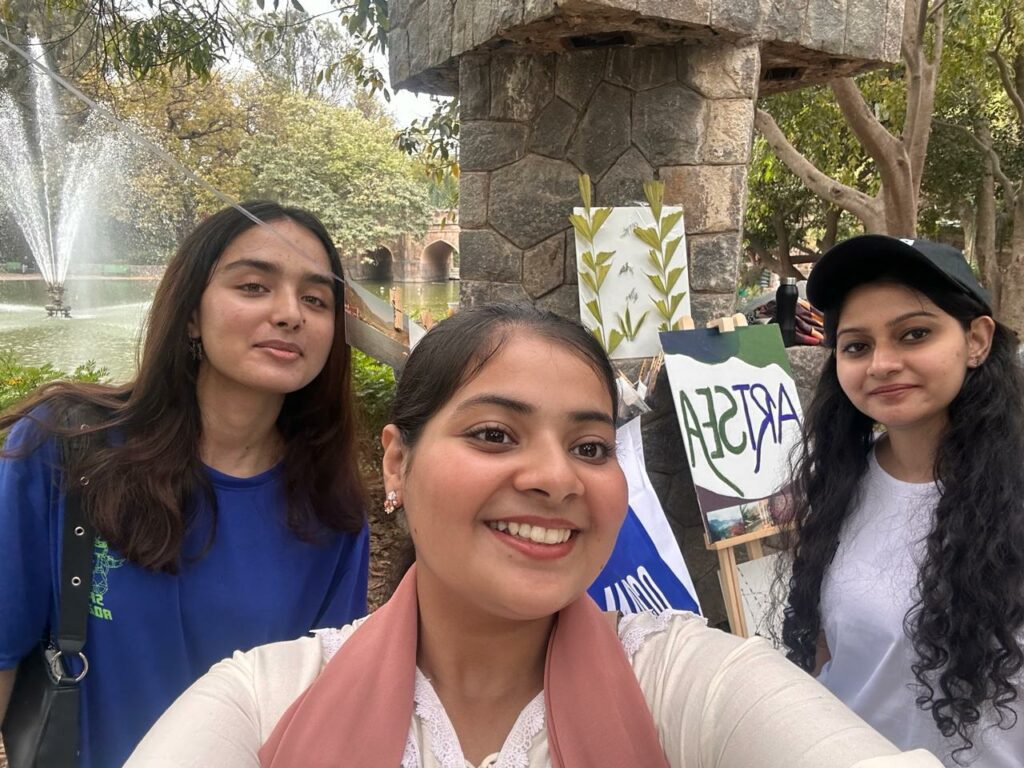
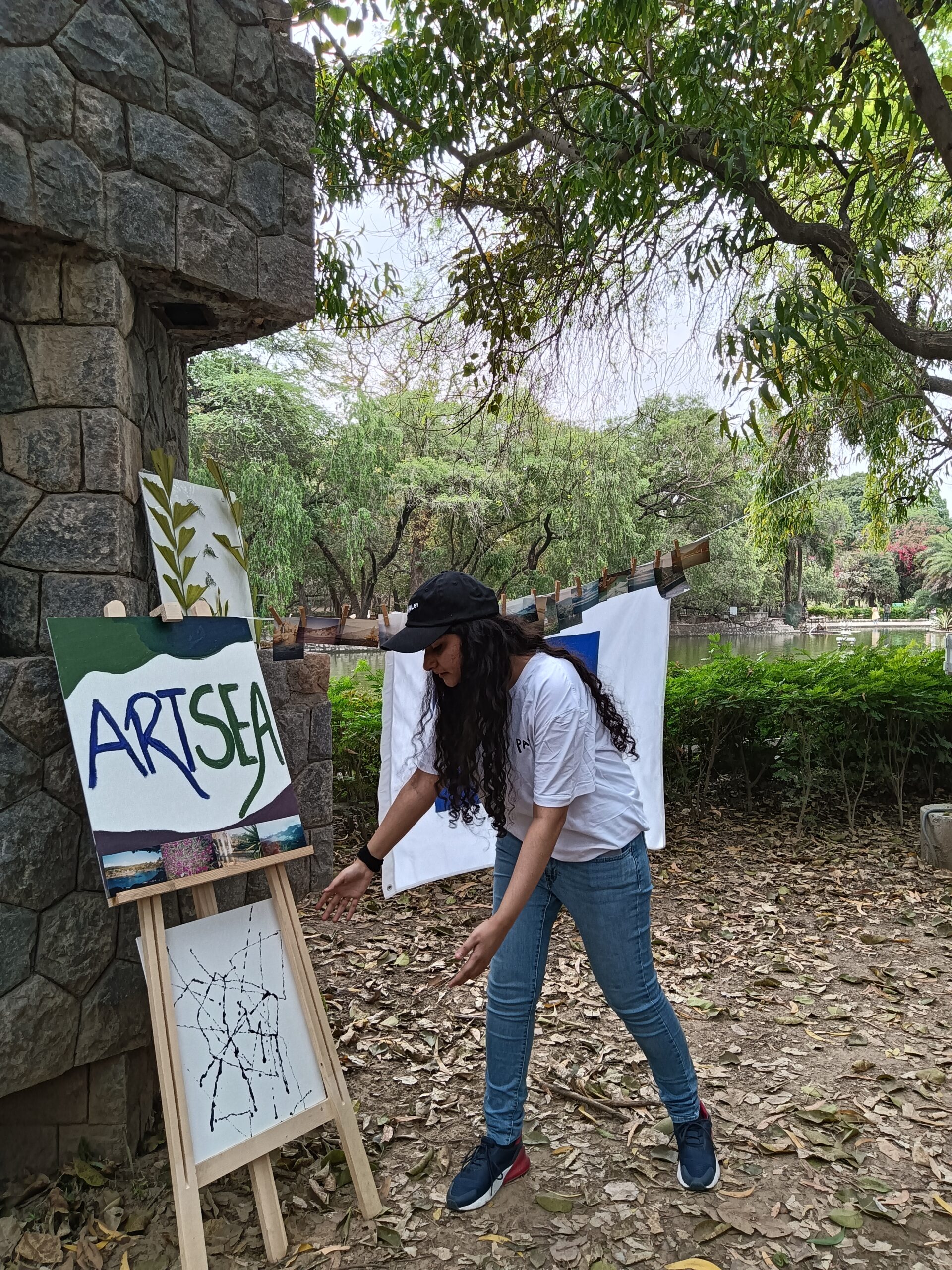 This approach informs ArtSea: Art for Ocean Conservation, a flagship program I curated for my nonprofit, Climate Conservancy. ArtSea is a global art for ocean conservation program designed to advance ocean literacy through creative practice grounded in scientific accuracy. The initiative convenes young artists, scientists, educators, and communities to engage marine ecosystems through photography, poetry, visual art, and narrative inquiry. Participants study coral bleaching, plastic pollution, biodiversity loss, and coastal resilience while translating scientific understanding into creative work that circulates publicly and endures culturally.
Ocean literacy is frequently treated as a technical competency. I approach it as a cultural responsibility. When the ocean is understood as a living system that shapes climate stability, food security, and collective identity, relationships shift. ArtSea has reached young people across continents, including those far removed from coastlines, who nonetheless develop a deep and sustained connection once the ocean becomes visible through artistic encounter.
 Art also occupies a critical role in responding to climate related mental health challenges. Evidence increasingly demonstrates rising levels of climate anxiety and ecological grief, particularly among young people. Creative practice offers an accessible and non-clinical pathway for processing these emotions while preserving agency. In my research and advisory work on climate anxiety, including collaborations with academic institutions, art consistently emerges as a stabilizing force that supports psychological resilience and cognitive clarity.
This understanding is now reflected within formal healthcare systems. In Switzerland, physicians have begun prescribing visits to museums, art galleries, and botanical gardens for patients living with mental health conditions and chronic illness. A pilot program launched in the city of Neuchâtel provides free access to cultural and natural spaces, based on the recognition that immersion in beauty, discovery, and living landscapes can temporarily relieve psychological fatigue and emotional distress. This model aligns closely with the experiences of young people navigating eco-anxiety. Engagement with art and nature restores attention, regulates emotional response, and enables sustained engagement with ecological reality. When creative and natural spaces are treated as public well-being infrastructure, they become instruments of resilience rather than distraction.
This work is governed by structure, evaluation, and intention. Artistic practice is integrated alongside evidence-based climate education to preserve accuracy while expanding reach. Creative expression extends the life of scientific knowledge by embedding it within memory, meaning, and cultural transmission.
Leadership in this era demands fluency across disciplines. The climate crisis operates simultaneously as an environmental, economic, psychological, and cultural phenomenon. Art provides a means of holding this complexity without fragmentation.
My role is to build institutions and initiatives that honor rigor alongside humanity. When art is treated as infrastructure rather than ornament, it becomes a durable engine for learning, care, and collective responsibility.
The future of climate education will belong to those who can translate knowledge into meaning. Art remains my method for doing so.