





“Brainwashed much?”
Those two words landed in my notifications on an ordinary afternoon. I had posted about a fundraiser I was running; collecting money for families in Gaza, families I was in direct contact with, families whose names I knew. I had designed digital bookmarks, written short storybooks, poured weeks of work into making something that could reach people across distances I couldn’t physically cross.
And someone responded with two words that were meant to silence me.
It was not the only response like that. Others asked why I was “only helping Gaza and not others.” Some implied that my compassion was politically motivated, ideologically suspicious, or somehow a betrayal of my own community. The message underneath all of it was the same: your kindness is only acceptable if it is distributed equally, immediately, and on our terms. Otherwise, it is not kindness at all.
I want to talk about what that does to a person who is simply trying to help.
When Compassion Becomes a Test
There is a growing body of research in psychology that describes what scientists call “selective empathy,” the very human tendency to feel more concern for people who belong to our own group, community, or identity. Studies show that we naturally extend more emotional concern toward those we perceive as similar to us. This is not a moral failing; researchers describe it as a structural feature of how human emotion works. We are wired for belonging, and belonging shapes who we see as worthy of our care.
But what happens when this natural tendency gets weaponised? When it stops being a quiet psychological pattern and becomes a public demand, prove your compassion is balanced, or we will question your motives entirely?
What happens is that people who are trying to help get exhausted, silenced, or shamed into stopping altogether. Crisis fatigue, the point at which people tune out from a humanitarian situation entirely, is already one of the biggest threats to sustained humanitarian aid. The last thing the world needs is another force pushing compassionate people away from action. But that is exactly what the demand for “equal compassion or no compassion” does.
The Logic I Want to Challenge
I am one person. I have limited time, limited resources, and a finite amount of emotional bandwidth. When I chose to focus on Gaza families, I was not making a statement that other suffering matters less. I was making the only honest choice available to me, to do one thing well rather than ten things poorly.
This is not a radical idea. It is how every humanitarian organisation, every doctor, every social worker, every volunteer operates. A surgeon who specialises in cardiac care is not declaring that lungs do not matter. A teacher who works in one school is not saying that other children deserve less. We do not demand that every act of service be universally distributed before we accept it as genuine.
And yet, when it comes to compassion across community lines, especially in today’s polarised climate, we suddenly change the rules. We ask people to justify who they have chosen to help and why. We treat focused kindness as suspicious. We confuse the choice of where to direct compassion with a statement about whose pain matters.
These are not the same thing. And conflating them is causing real harm.
What I Actually Believe
I believe that if I am raising funds for Gaza families, and you are raising funds for Hindus in Bangladesh, we are not opponents. We are two parts of the same collective response to human suffering. The world needs both of us. The families in Gaza need you to see their humanity. The families in Bangladesh need me to see theirs.
The moment we turn humanitarian work into a competition, your cause versus my cause, your community versus mine, we have already lost. We have accepted the logic of division that creates suffering in the first place.
I do not believe in performative activism. I believe in choosing one thing, doing it with full sincerity, and trusting that somewhere else, someone else is choosing another thing with equal sincerity. That collective web of focused, genuine care is what a compassionate world actually looks like. Not one person trying to help everyone equally and helping no one well.
A Call to My Generation
We are the most connected generation in history. We have access to more information, more perspectives, and more tools for action than any generation before us. And we are also the generation most at risk of turning information into ammunition, using what we know not to build bridges but to test each other’s loyalty.
I want to ask you, the next time you see someone raising their voice for a community that is not yours, before you question their motives, ask yourself what you are doing for yours. And then ask yourself whether two people doing good in different directions are really enemies at all.
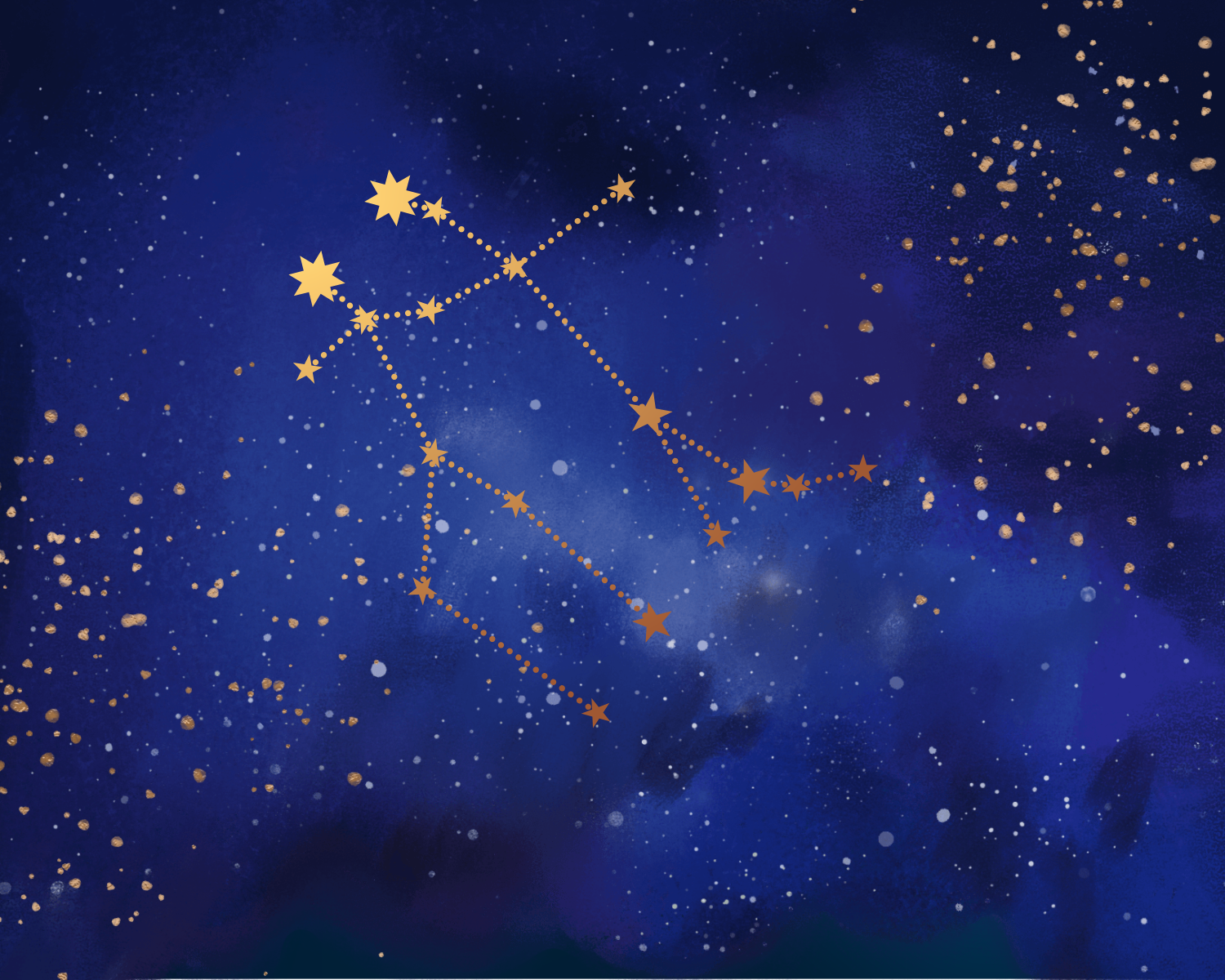
Kindness is not a competition. It is a constellation. Each point of light is in a different place, illuminating a different corner of the dark. But together, they make the whole sky brighter.
That is the world I am trying to build. I hope you’ll build it with me, in whatever corner is yours to light.