


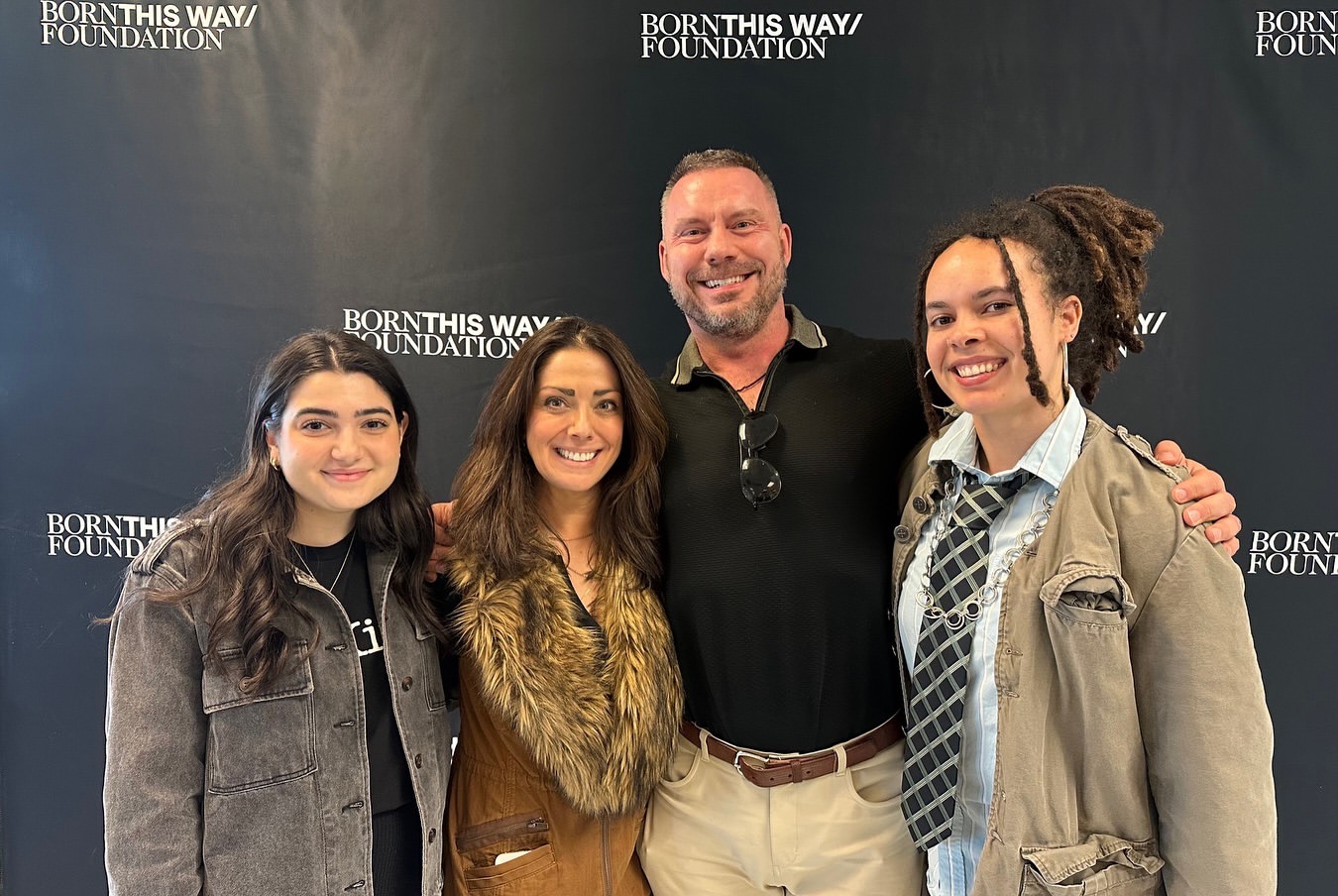
At Born This Way Foundation, our mission is to inspire and empower young people to build a kinder and braver world: one grounded in science and shaped by young people’s voices. To do this, we collaborate with research partners across the country to better understand young people’s experiences and to ensure our work truly reflects their needs. As a Youth Advisory Board member, I had the honor of interviewing four of our exceptional research partners to learn more about what drives their work. I asked them about their career journeys, what inspires them, and their advice for young people interested in pursuing a career in mental health and research. Across every conversation, two themes stood out to me: (1) their commitment to centering young people in everything they do and (2) their passion for translating data into real-world strategies. Here’s what they had to say:
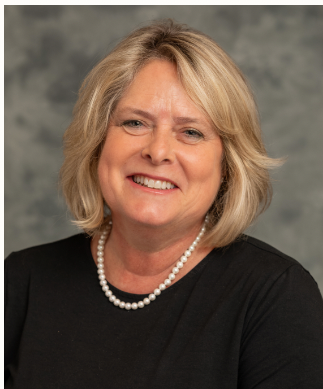 Dr. Sue Swearer (she/her) is the Willa Cather Professor and Chair of the Department of Educational Psychology at the University of Nebraska-Lincoln. Her research with Born This Way Foundation is dedicated to the development and evaluation of the Kindness and Bravery Scale, a measure that captures experiences of kind and brave behaviors among young people. Dr. Swearer is an expert on bullying, anxiety, and depression prevention among school-aged youth.
I asked her about what actionable steps young people interested in research can take to gain exposure to the field. Dr. Swearer said, “Say yes to opportunities, even if it might seem like it isn’t exactly what you want to do. Experiences will help you define what you want to do. Particularly at the undergraduate level, I think it’s important for students to get involved in research labs and to seek out faculty who might have similar interests. That will help them hone their interests and decide if it is an area that they want to go into, or maybe something they don’t want to do – but both of those are really important. Don’t be shy or afraid to put yourself out there to get those experiences.”
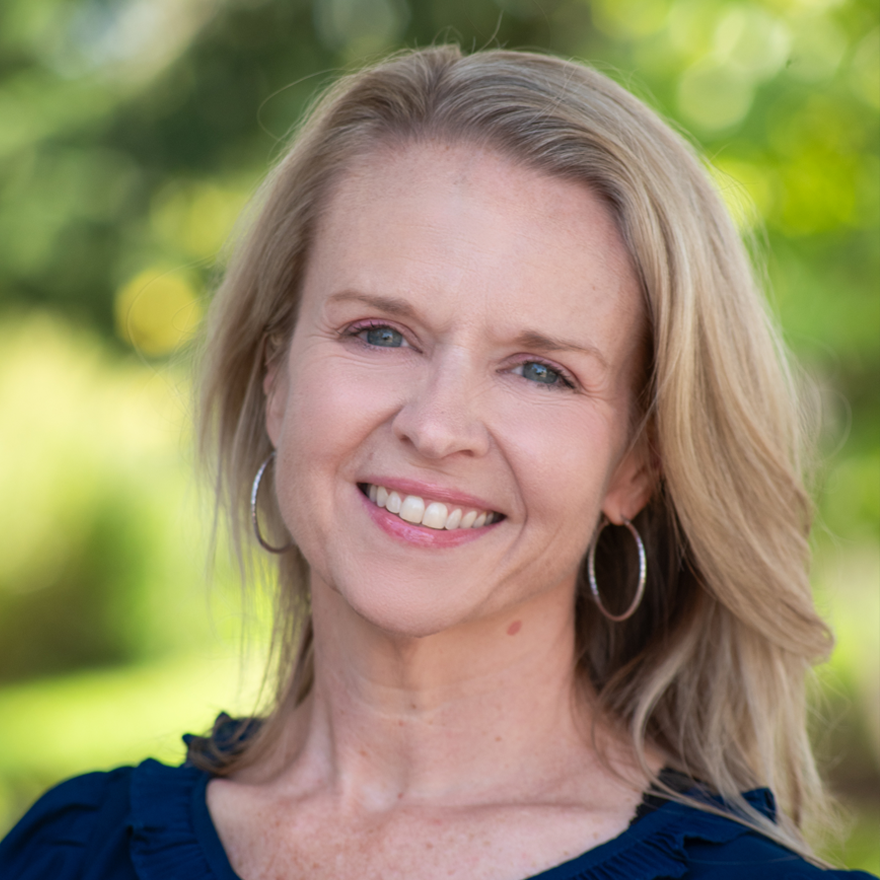
Dr. Kimberly Hieftje (she/her) is an Associate Professor of Pediatrics at Yale and the co-director and co-founder of XRPeds and the Yale Center for Immersive Technologies in Pediatrics. Her work focuses on developing and evaluating digital games that utilize extended reality (such as virtual and augmented reality) to promote health, prevent risky behaviors, and support education among adolescents and young adults. With Born This Way Foundation, she is leading our pilot study to evaluate the impact of the Be There Certificate, our online peer-to-peer support training program developed with Jack.org, in a randomized controlled trial on two college campuses.
Dr. Hieftje’s advice for young people going into research is, “Get involved! Many research labs (even at Yale) welcome high school and undergrad students to get involved in research projects. This can be done as an intern, or as part of a Youth Advisory Board, or through dedicated programs for youth. Get to know the researchers and professors on those projects and keep in touch, even after you move on to the next thing. Relationships are so important in academics!”
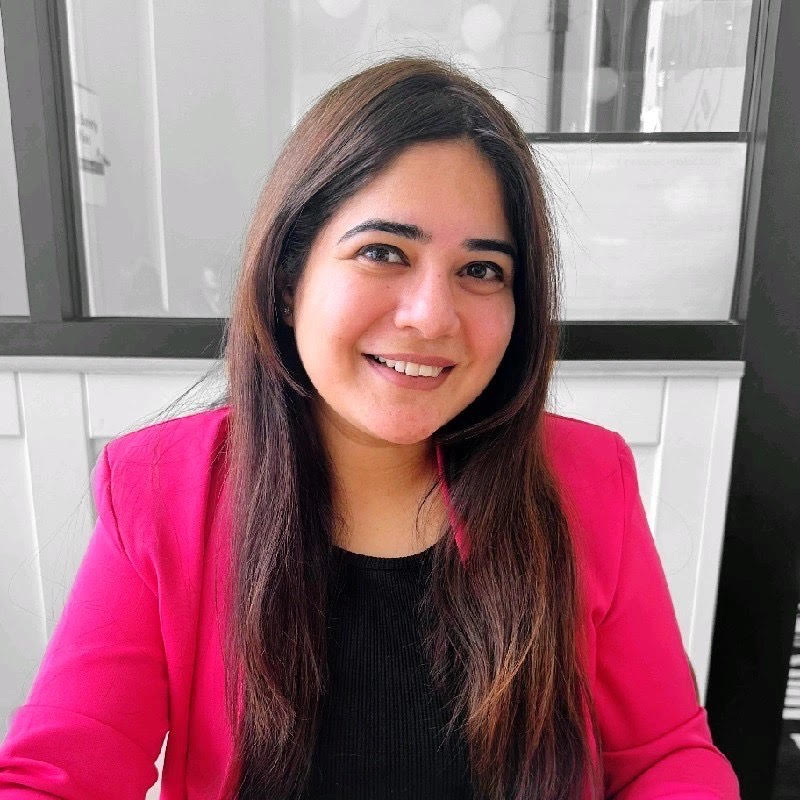
Dr. Arshiya Wadhwa (she/her) is the Evaluation Manager at Jack.org, based in Toronto, Canada. In her role, Dr. Wadhwa specializes in advancing the Be There Certificate partnership with Born This Way Foundation, providing expertise on evaluating its impact, and supporting Jack.org’s mission to empower young people to own their mental health journeys through education, stigma reduction, and creating peer-to-peer connections.
Dr. Wadhwa encourages young people to follow their curiosity when exploring career options. “Start with curiosity first, then move to investing in learning, both formally and informally, to provide you with a strong foundation. The main step is gaining practical experience in the field. Once you participate in the work, which is grounded in community, it really hits home and it changes your perspective – that groundwork and getting your hands dirty really helps you. So, start small and learn deep.” As a young person, I appreciated Dr. Wadhwa’s emphasis on grounding research in culturally-informed community perspectives (including young people!).
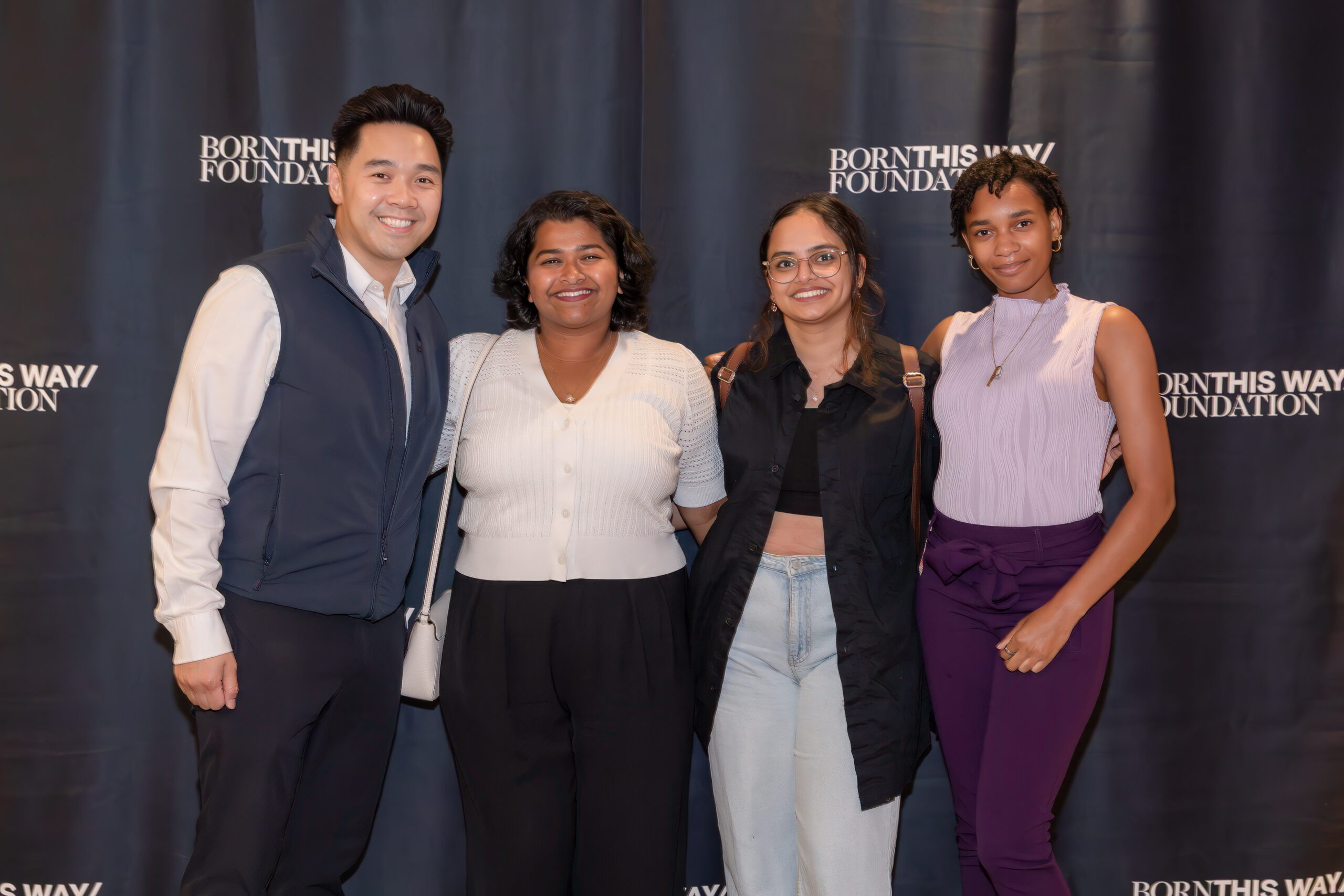
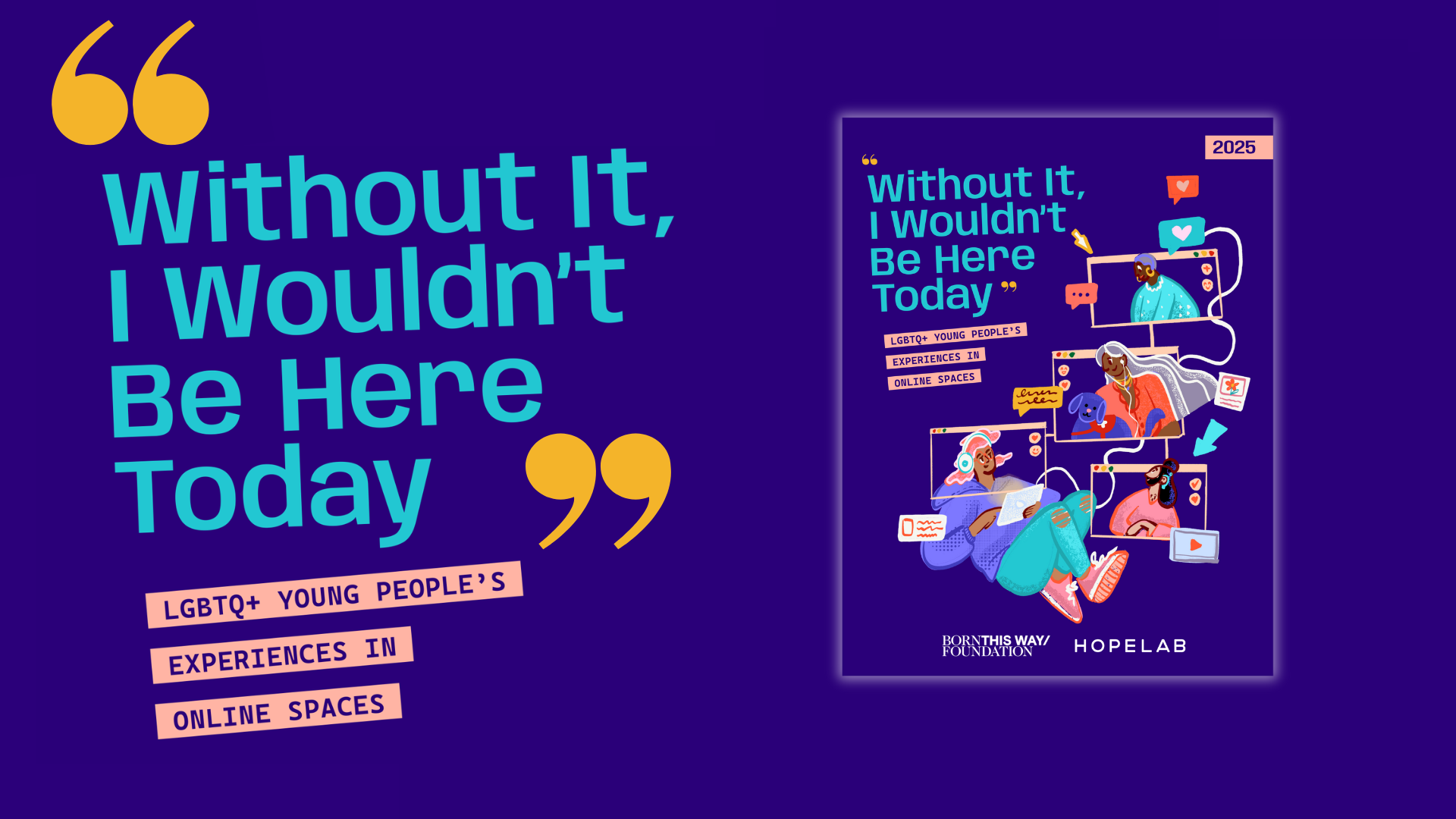
Dr. Dumaine Williams (he/him) is the Vice President of Student Affairs and Dean of the Early College at Bard College. He brings valuable leadership to the research partnership through his experience in student support services and his work inspiring science, technology, engineering, and mathematics (STEM) careers among youth from historically excluded communities. Dr. Williams co-hosted our convening in March 2025 to celebrate the launch of our research report “Without It, I Wouldn’t Be Here Today”: LGBTQ+ Young People’s Experiences in Online Spaces with Hopelab at Bard High School Early College Queens. This convening brought together youth advocates, community leaders, academics, and industry leaders to discuss Born This Way Foundation and Hopelab’s findings and actionable steps our communities can take.
I asked Dr. Williams what gives him hope for the future, and he shared a few inspiring highlights: “A real curiosity matched with more access to information and access to resources. Young people have the vocabulary and a complex understanding of some of these big world issues that we can see as very daunting and heavy – but the positive side is that they do have that appreciation. Appreciation will lead to curiosity, asking the right questions, having a deeper understanding, and pushing themselves more, which will ultimately benefit all of us.”
Together, these incredible researchers reminded me that curiosity, persistence, and connection foster meaningful impact. Many of them discussed their desire for a collaborative partnership and shared their appreciation for the way Born This Way Foundation brings everyone together to learn from one another and co-create meaningful solutions alongside young people. This past year, our Youth Advisory Board met several research partners and provided feedback on their research projects through monthly “learning labs” hosted by Born This Way Foundation’s research team. It is clear that the entire team at Born This Way Foundation is deeply committed to integrating youth perspectives and scientific evidence in every step of their work. Their passion and dedication serve as an inspiration to the next generation of leaders who are eager to build a world rooted in the science of kindness.