

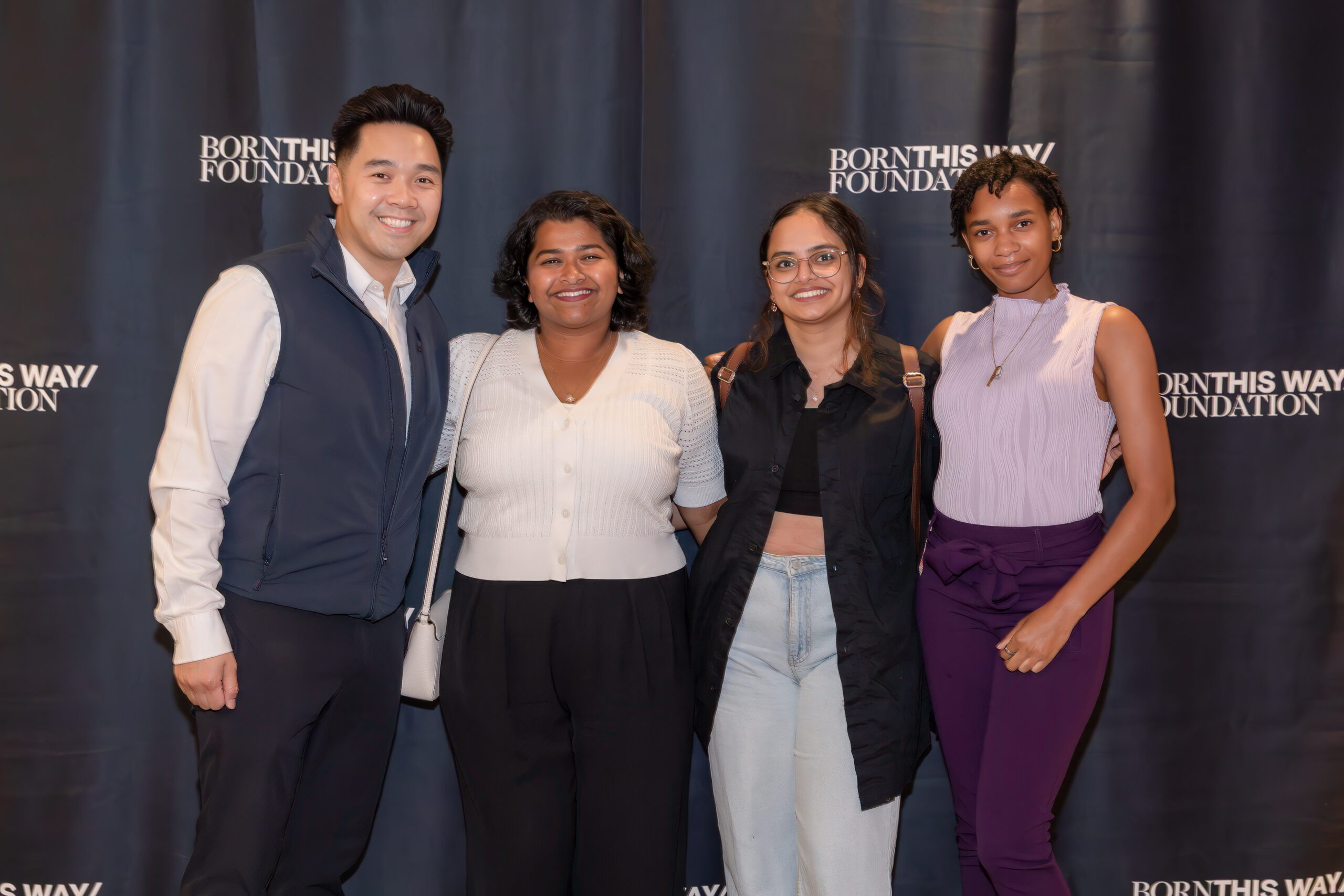
At Born This Way Foundation, our mission is to inspire and empower young people to build a kinder and braver world: one grounded in science and shaped by young people’s voices. To do this, we collaborate with research partners across the country to conduct studies that better understand young people’s experiences and ensure their work truly reflects young people’s needs. Continuing from Part 1 on this series, I am excited to introduce five more of our incredible research partners whose work has specifically contributed to creating safer, kinder digital spaces for LGBTQ+ and BIPOC youth. I asked them to share more about how their research impacts marginalized young people and the advice they have for young people at the start of their careers in research:
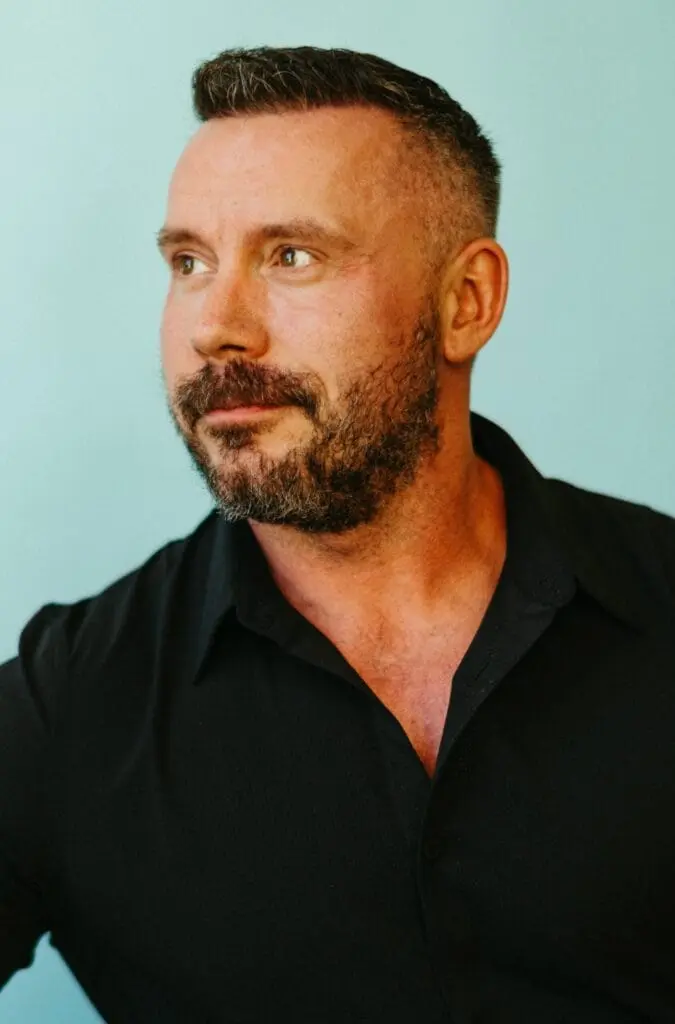
Dr. Mike Parent (he/him) is Principal Researcher at Hopelab. His work focuses on the intersections of gender, sexuality, and behavioral health, including topics such as men’s health, gender roles, and muscularity.
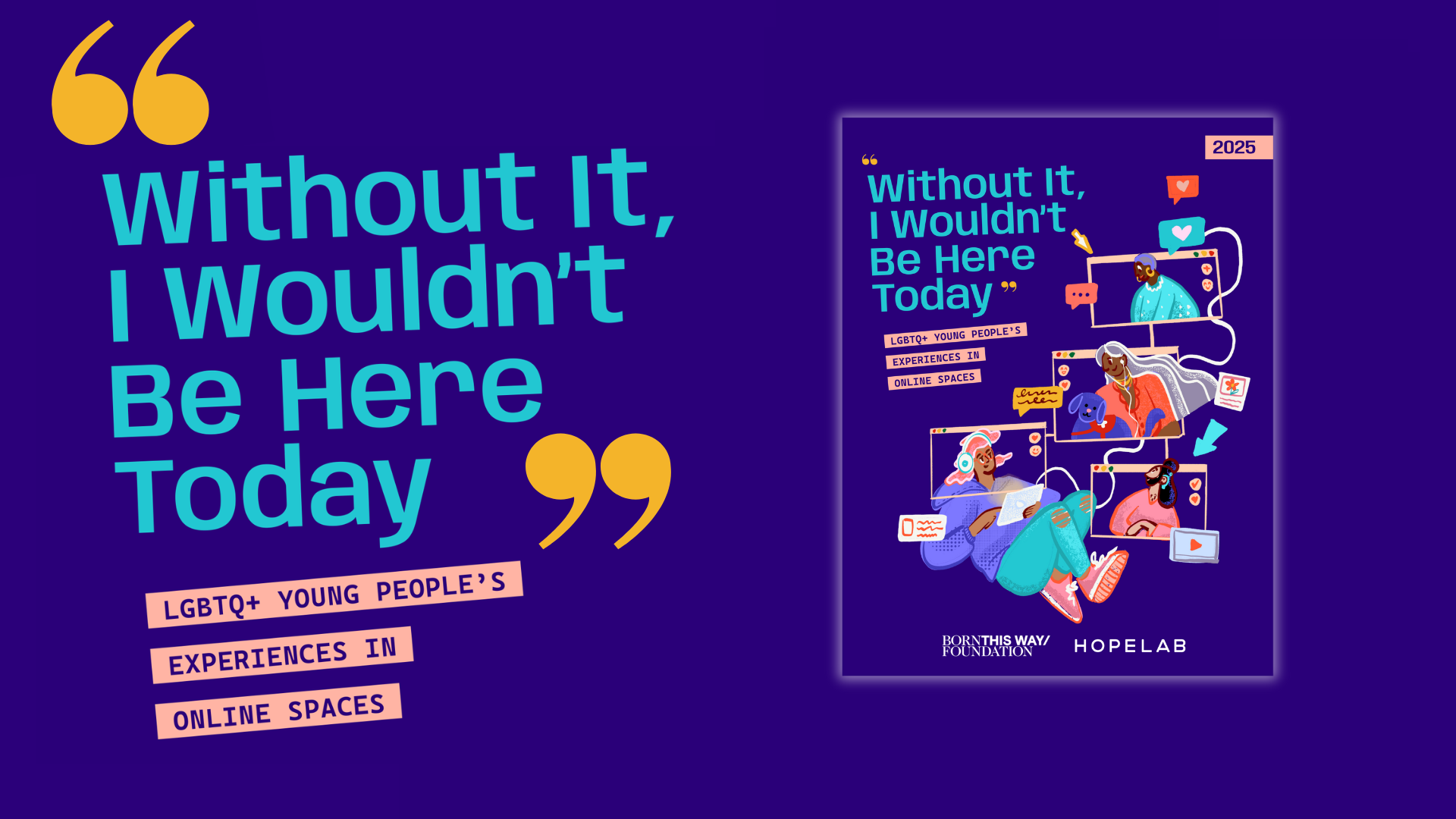
Working with the research teams at Born This Way Foundation and Hopelab, Dr. Parent led our study on LGBTQ+ young people’s experiences online. From the larger report, they then explored the nuanced experiences within subgroups to better understand intersectional factors and the unique experiences of LGBTQ+ young people. Dr. Parent was the first author on a brief report that focused on LGBTQ+ young people in rural communities: Exploring Pride and Support of LGBTQ+ Young People in Rural Communities.
The following research partners in this article were part of our Born This Way Foundation x Hopelab collaboration either by: 1) conducting post-report focus groups with young people to identify actionable recommendations, or 2) using the dataset from the Born This Way Foundation x Hopelab survey (see survey questions here) to conduct a secondary analysis on specific populations to better understand their unique experiences online.
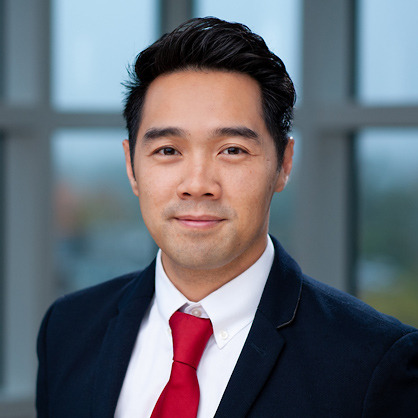 Dr. Alvin Tran (he/him) is an Associate Professor at the University of New Haven in the Department of Population Health and Leadership. His research focuses on the health of LGBTQ+ communities, body image, eating disorder prevention, and nutrition, specifically exploring gaps in scientific literature on body image issues within men of color. As a part of Born This Way Foundation’s research with Hopelab, and in partnership with CenterLink, Dr. Tran conducted focus groups with LGBTQ+ young people across the country to review our findings in the report and translate them into specific recommendations.
Dr. Tran presented a mini-lecture to our Youth Advisory Board to share more about his methods. His advice for young people interested in research is, “It’s okay to find out later if you ‘hate’ doing something research related, or a particular research topic. Redirect yourself. Maybe you end up not enjoying qualitative research, but become fascinated with quantitative methods…I like both so I get to do what is called ‘mixed methods’ research.”
 Dr. Katie Edwards (she/her) is a Professor of Social Work at the University of Michigan. Her interest in research began as a result of being impacted by violence surrounding her during her undergraduate training and her strong desire to leave a positive mark on the world. Her research focuses on violence prevention and positive youth development within BIPOC and LGBTQ+ communities, specifically supporting Indigenous youth programming. She partners closely with the communities she serves, following the guidance of their lived experiences.
Dr. Edwards is an enthusiastic supporter of all young people, and for those who are curious about getting involved with research, she says, “First, believe in yourself! Youth have so much potential and can reach their dreams, and part of that is believing in themselves, finding communities who can support them in achieving their goals, making good decisions for themselves and others, and of course, finding opportunities to get involved in work that they want to do.”
 Dr. Terika McCall (she/her) is an Assistant Professor at Yale School of Public Health. She explores Consumer Health Informatics (i.e., empowering communities with accessible health information) with a focus on the development of digital mental health tools for underserved populations. She shared her personal experience managing anxiety and depression, leading her to work on the design of mental health apps that provide real-time support.
As a concrete step to get into the research field, Dr. McCall recommends, “Start with informational interviews of professionals in the field. I would encourage youth to learn as much as possible about the process of designing digital health tools by watching tutorials and learning how to use software such as Figma.” With Born This Way Foundation, Dr. McCall is analyzing data around the unique experiences of Black LGBTQ+ young people in online spaces.
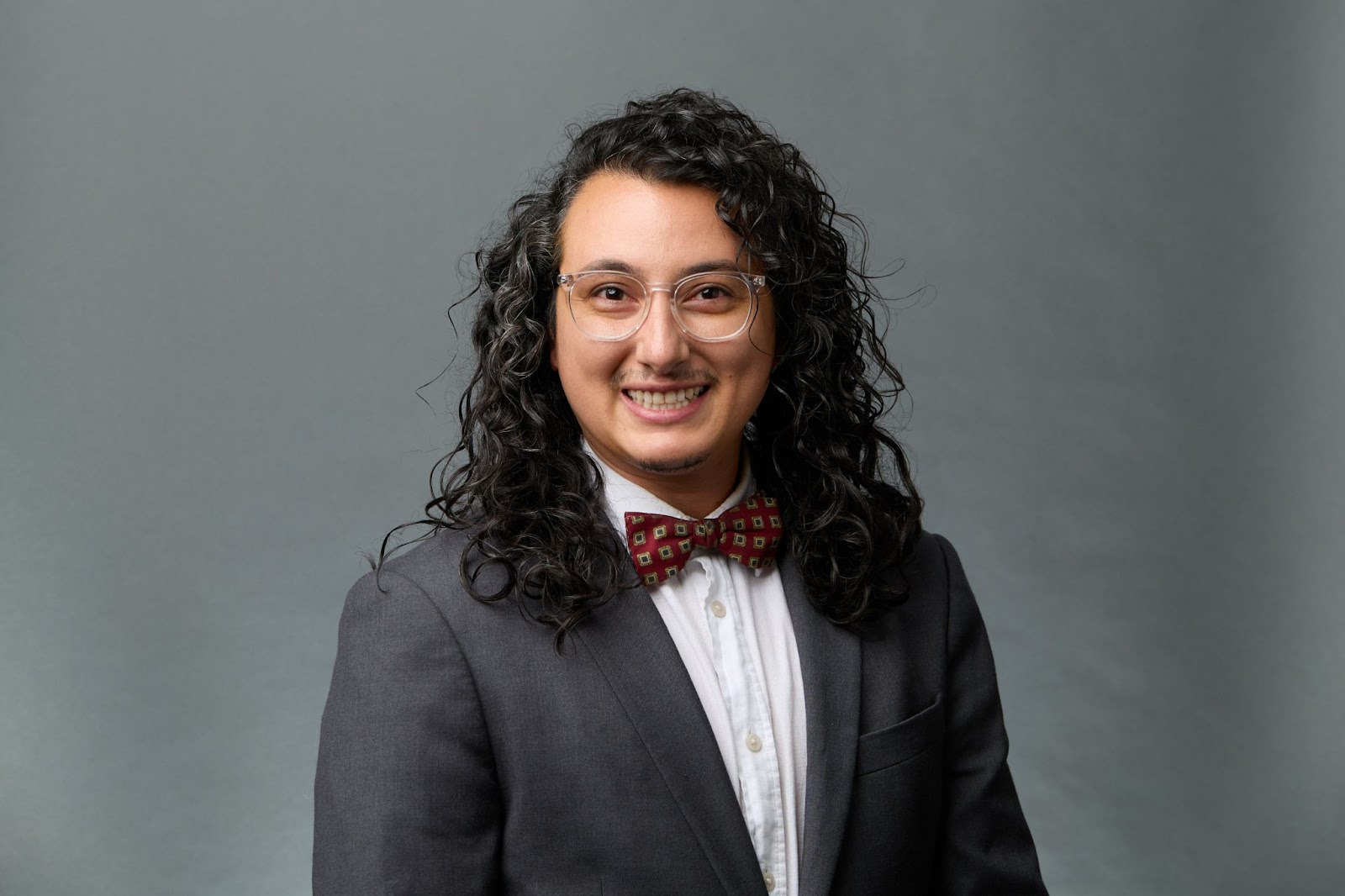 Dr. Nicolas Meade (he/they/them) is an Assistant Professor of Psychiatry at the Yale School of Medicine, where he researches affirming and community-based supports for trans and gender expansive (TGE) young people, with a focus on trauma-informed and collaboratively designed virtual supports. They began studying post-traumatic stress disorder in TGE populations and were subsequently introduced to community-based participatory research by their mentor.
Dr. Meade’s advice for young people pursuing academic fields is, “The best step is to take a step! Start with your local community organizations and don’t be afraid to connect with researchers and academics. Many of us are excited to see that young people are looking for opportunities and want to do everything we can to grow the field! The best step I took in setting up my future was to connect with clinicians and academics doing the work.”
With Born This Way Foundation’s Youth Advisory Board, I’ve had the opportunity to learn more about different research methodologies, including translational science and secondary analyses. The rigorous methodology ensures that diverse youth perspectives are intentionally included in the data, so that the findings reflect the experiences of all young people. As a young person, it’s inspiring to see these voices and their contributions reflected in science. We are thrilled to continue partnering with these researchers as their work deepens Born This Way Foundation’s understanding and strengthens their collective impact – helping to build a kinder, braver world where all young people’s mental health is supported and celebrated.