






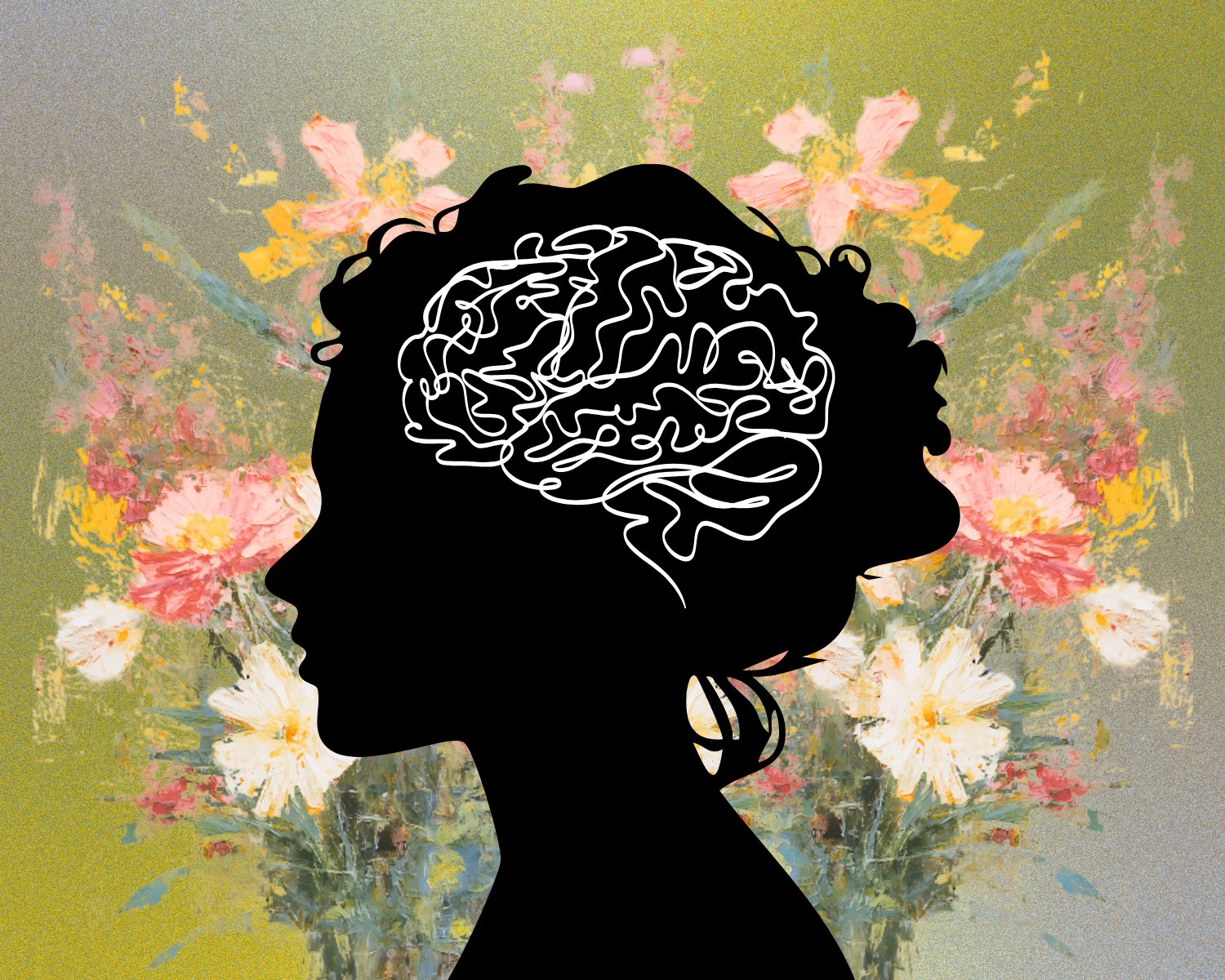
Counting my steps is a habit that has followed me since I can remember. Walking through a department store, I would count how many steps I could take per tile. On the sidewalk, I paced myself meticulously so as not to walk unevenly. The old maxim, “step on a crack¨ made me look at my mother with fragility, like she could break at any moment. In the real world, a ¨mistake¨ here is entirely inconsequential. To me, even at eight years old, it felt lethal.
This type of anxiety learned to simmer on the back burner of my brain for years, being ignited by any kind of disorder in my life. As we grow through challenges, we all develop coping mechanisms for the myriad stressors that define our human nature. For me, although my OCD provided plenty of discomfort, it also kept me organized and educationally ambitious. Awards, honors, and grades became new obsessions that felt far more satisfying than any of my compulsive behaviors. Because of this, school was always incredibly easy for me; my motivation led to opportunity, and the success I experienced reinforced my sense of accomplishment. My big-fish, little-pond syndrome didn’t last through the stresses of high school. The thing most important to me in any of my obsessions was always control; as school became more challenging and more consequential to my future, my sense of agency began to slip.
I have been in therapy for about three years now, aligned with the beginning of my high school career. I had heard of Obsessive Compulsive Disorder in the past, of course, but never thought it could apply to me, with my messy room and mismatched outfits. Through my therapist, I learned that what I thought was an unfortunate quirk could place me in a community broader than I had ever imagined. I was officially diagnosed with OCD and placed on medication at the beginning of my sophomore year. To say that this support has changed my life would be an enormous understatement. Recognition of what I was going through transformed something insurmountable into something that I love about myself. OCD has taught me so much about self-care, the power of our inner voices, and community. If you find yourself struggling to balance mental health with the demands of the world, it is cliché, but true, that you are never alone.
I´m extremely fortunate to have access to these resources, but there are ways to cope with OCD as a student, no matter your situation.
- Trying new things, even when they feel triggering
- Being vulnerable with trusted teachers or friends
- Speaking with teachers about accommodations if you feel triggered in the classroom
- Journaling with honesty
- Prioritizing health and sleep!
- Challenging compulsions when they arise
By coping with my OCD, I can be organized, I can be successful, I can be empathetic and present, AND I can prioritize my mental health. It has made all the difference.