






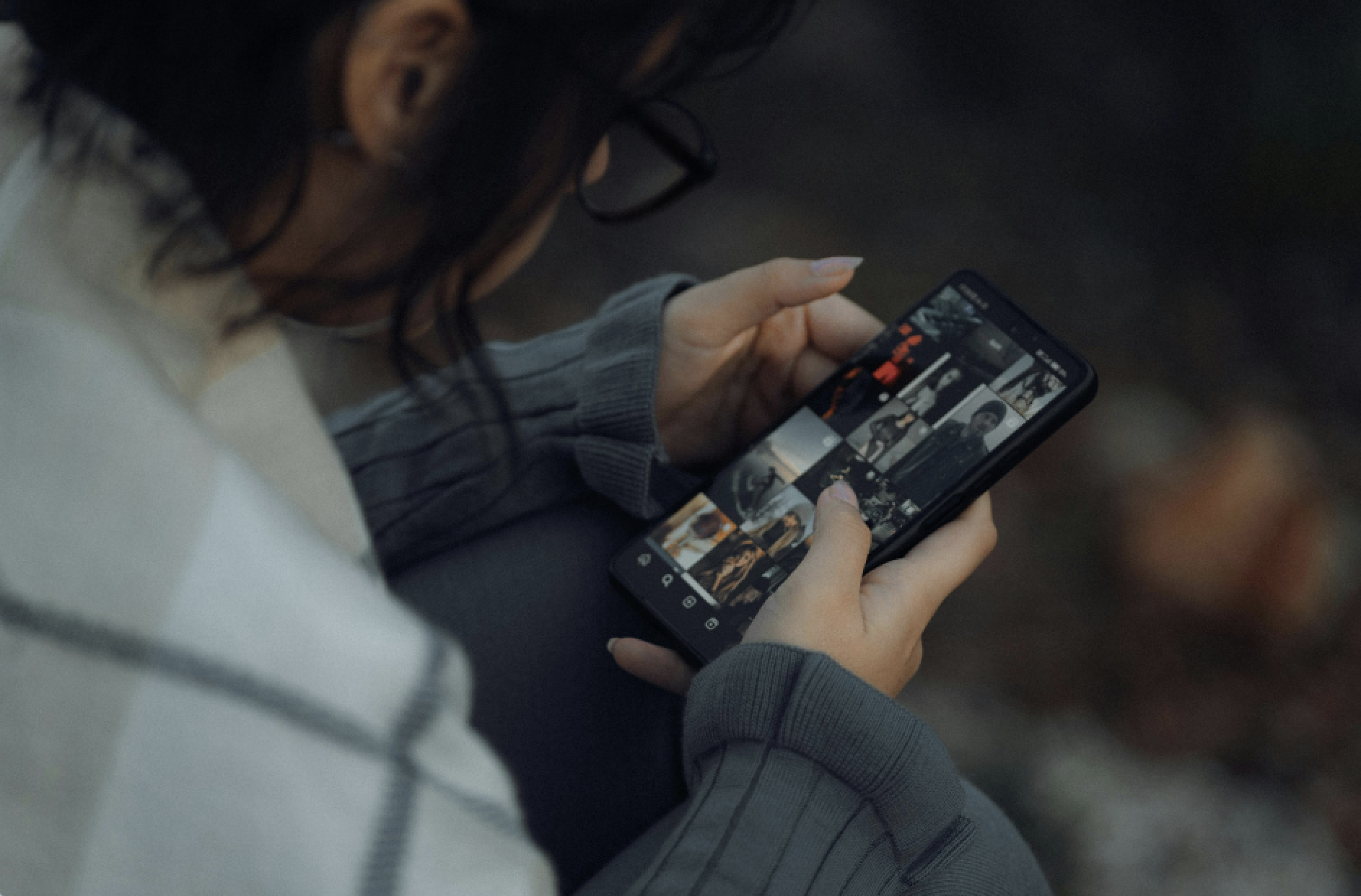
After last year’s Australian under-16 social media ban, upwards of 40 countries now are considering following suit. Malaysia deactivated under-16 accounts, regions in India issued state-level bans, and the UK and France passed legislation.
The key questions are: Do these social media bans make sense? Do they work? Are they making teens safer?
The Evidence Says: Not Really
Australia, nine months in, is the only country with enough data to actually answer that question. The early data shows unclear results.
The University of Chicago Becker Friedman Institute’s working paper offers an explanation why. Even if social media bans are enacted by law, they only work if enough teens comply. In order for such a ban to be effective, it needs a high percentage of compilers over an extended period of time.
The study found only about 25% of 14-to-15-year-olds were actually complying with Australia’s ban. That’s only one in four. Research also found teenagers required as many as two-thirds of peers to stop using social media before they themselves would consider stopping. As most 14-to-15-year-olds believed their peers were using the platforms, social pressure led them to find ways to circumvent the ban. It’s possible platforms could improve age verification, combat VPNs, and find other ways to restrict under 16 users. But as social media already is so integrated in the lives of youth (and adults), teens will always find a way around age bans.
Social media is here to say. To put it bluntly, it’s how our generation communicates. And there simply isn’t a viable alternative to digital social networks for teens in today’s world.
Australia Three Months After
Australia passed its social media ban, despite the opposition of more than 100 researchers, psychologists, and digital rights groups. Though the ban hasn’t shown much change yet at the population level, it’s had vast effects on smaller communities with the most to lose from it.
“Social media is not a luxury–for many children, especially those who are isolated or marginalised,” warns UNICEF, in a response to governments’ greater use of age restrictions. “It is a lifeline providing access to learning, connection, play, and self-expression. What’s more, many children and young people will still access social media, whether through workarounds, shared devices, or turning to less regulated platforms, ultimately making it harder to protect them.”
Born This Way’s and Hopelab’s study of more than 1,200 LGBTQ+ young people (aged 15 to 24) in the U.S. recognizes the importance of online communities. LGBTQ+ young people are twice as likely to disclose their gender identity online as they are offline. Consequently, 76% of participants said they were seriously concerned about government restrictions on LGBTQ+ affirming online content, which is a fear that predates, but clearly anticipates, a ban. UNICEF cautions, “Social media bans come with their own risks, and they may even backfire.” Digital spaces offer a sanctuary for such marginalized communities to be expressive and branch out. Shutting down these connections is synonymous with shutting down these groups themselves.
In Australia, some youth have already experienced marginalization. Minus 18 found 82% of LGBTQ+ youth were concerned the ban would leave them more disconnected from their community, while 91% said social media had directly helped them find friends. They responded to the ban by building a moderated Discord server as an alternative, with interest in it jumping 303% as a result. This isn’t evidence the ban stopped queer teens from seeking community online. Rather, it shows a shift from platforms with scale and moderation to smaller, less-verified third-party spaces.
An Age Ban Forgoes a Learning Opportunity
A simple age ban is the easy, but not the best, answer. It is difficult to properly operationalize and enforce. It also runs the risk of further isolating marginalized teens. But turning 16 doesn’t magically endow a teen with the ability to navigate the risks of harm of being online. In fact, the critical ages of 13 to 15 are when healthy, sustainable digital literacy should be learned.
Age itself doesn’t bring protection. It comes from being focused on digital literacy education and using a teen-friendly platform that has special protections or oversight. That’s what prepares us for the online risks of harm for both youth and adults in the digital world. And just as some mature faster than others, some will require more guidance than others. As someone who just turned 18, I see similarities as I assume new adult responsibilities. An example: 18-year-olds can apply for credit cards in their own name, but those who have learned financial literacy over time will navigate the financial world with more success.
And more critically, the ages of 13 to 15 are when teens are still willing to listen to their parents and guardians, making it the ideal time to learn digital literacy. Even my 14-year-old sister, begrudgingly, knows she has more to learn. My 16-year-old sister and I, well . . . Sorry, Mom!
The Policy Gap
These data points show a blanket social media ban ironically has an unevenly distributed impact. Consider:
- A 21-year-old who spends hours doomscrolling and looks online to buy painkillers.
- A 14-year-old high school freshman whose guardians monitor her social media and read Family Online Safety Institute’s Digital Parenting Program.
- A mature but marginalized teenager, who just moved to a small town, looking for community.
An age cutoff treats each of them as the same.
Maybe it’s time to pause as more regulators look to the blunt policy tool of a social media age ban. For a truly teen-centered approach, the ecosystem needs to engage. Academics, nonprofits, regulators, families, and youth must each play a part. This means collaborating with companies on platform design, working with educators and guardians on digital literacy, and supporting youth to report inappropriate content and knowing how to reach out for help.
Now, that’s a trend worth spreading.