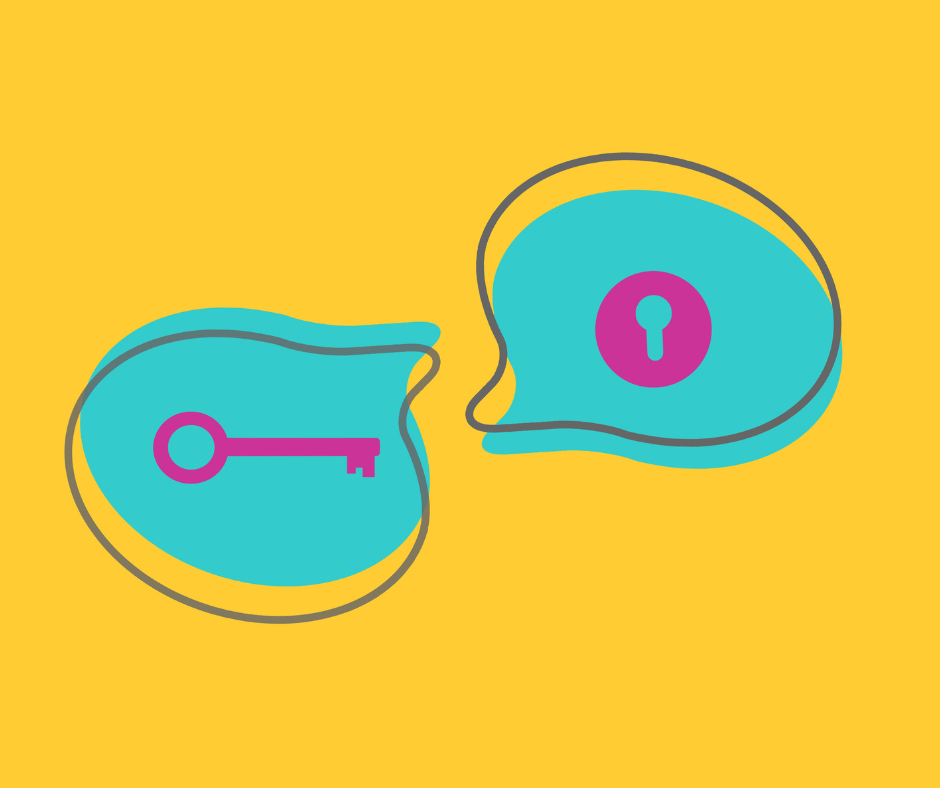
Kindness is often described as a universal language, but in reality, the language of kindness comes in dialects that sometimes need translation. What feels caring to one person might seem insensitive to another; not because either person is unkind, but because their communication styles are simply different.
This is the heart of something autistic advocates call the double empathy problem. Coined by autistic social psychologist Dr. Damian Milton, it describes the two-way misunderstandings that can happen when autistic and non-autistic (allistic) folk are interacting.
Society has assumed for over a century that as autistic people, we struggle with empathy and social understanding. The double empathy problem reframes this idea, suggesting that misinterpretations of empathy and communication between autistic and allistic folk are mutual. We interpret each other through our own social expectations, and these expectations can clash.
Autistic and allistic folk often communicate using different social norms and rules. We commonly value directness, blunt honesty, and interest-based interaction, whereas allistic people commonly value indirectness, politeness, and reading between the lines. Neither of these are wrong, but when these styles meet, good intentions can be lost in translation.
When “I’ve Been There Too” Means Different Things
Picture this: you’re going through something rough, and you vent to a friend. You describe your experience, how it’s affecting you, and how helpless you feel. Your friend listens, but then says, “I actually went through something similar; here’s what it was like for me.”
If you are allistic, this might seem self-centred or dismissive, as if your friend is making it about themselves and ignoring you. You might think that the kind thing to do would have been to hold space silently, or say, “It sounds like this is really hard for you.”
But if you are autistic, sharing your similar experience might feel warm and connecting. It’s a way of saying, “I understand, you aren’t alone, I’ve felt something like that too.” This kind of self-disclosure is one of the ways autistic people often express empathy, and it’s pretty different from allistic expectations. It’s not about redirecting the focus to us; it’s about finding common ground.
It cannot be stressed enough that neither of these perspectives are wrong. They’re just speaking different emotional languages. What us autistic people perceive as validation and connection, our allistic friends might interpret as interruption. In reality, nobody in this situation is lacking kindness; it’s just that the expected expressions of it don’t mutually line up.
Bridging the Gap: Practical Strategies
Understanding the double empathy problem doesn’t mean we need to walk on eggshells. It means we have the opportunity to realise that kindness isn’t one-size-fits-all, and that communication can be adapted to honour different needs. It can be helpful to leverage the relative strengths of allistic and autistic communication styles to do this.
1. Recognise the intent between the lines.
Allistic people can often read between the lines of social communication in a way that we find harder to automatically do as autistic people. If you’re allistic and an autistic person shares their own story in response to yours, try to use that strength to read between the lines and hear that this is their way of saying “I see you,” not something that makes them self-centred.
2. Be direct about what you need.
For us autistic people, directness is not only polite but preferred. If you are allistic and need to vent without us sharing our experience, just tell us! This directness lets us respond the way you need and removes the pressure of trying to guess.
3. Realistic expectations and understanding for all.
If you’re allistic and venting to your autistic friend, having the expectation that a response of self- disclosure may be their way of connecting and showing care gives you the chance you need to be upfront and direct about what you need, or to read between the lines and interpret it as them trying to show that they see you. On the flip side, if you’re supporting your autistic friend, disclosing a similar experience you’ve had can actually feel super validating for us. It might be unnatural to you if it’s not the language of kindness you use, but we value directness, so you can always ask, “Would it help if I shared a time I went through something similar?”
You Don’t Need to be a Mind Reader
Nobody is a mind reader, but we all try to be, and we use social expectations and perceived norms to do this. The double empathy problem reminds us that these expectations can come from our neurotype, rather than universal truths.
If we slow down, build our understanding, and ask without assuming, kindness starts to sound less like a single universal language, but a beautiful collection of languages rooted in diverse social expectations, values, and norms that all express the same underlying intention.
Kindness isn’t measured by how well we can speak one universal language; it’s measured by our willingness to learn someone else’s. For over a century, though, we as autistic people have been expected to do all the learning.
True kindness begins when that effort becomes mutual, because we shouldn’t be the only ones trying to learn second languages.