

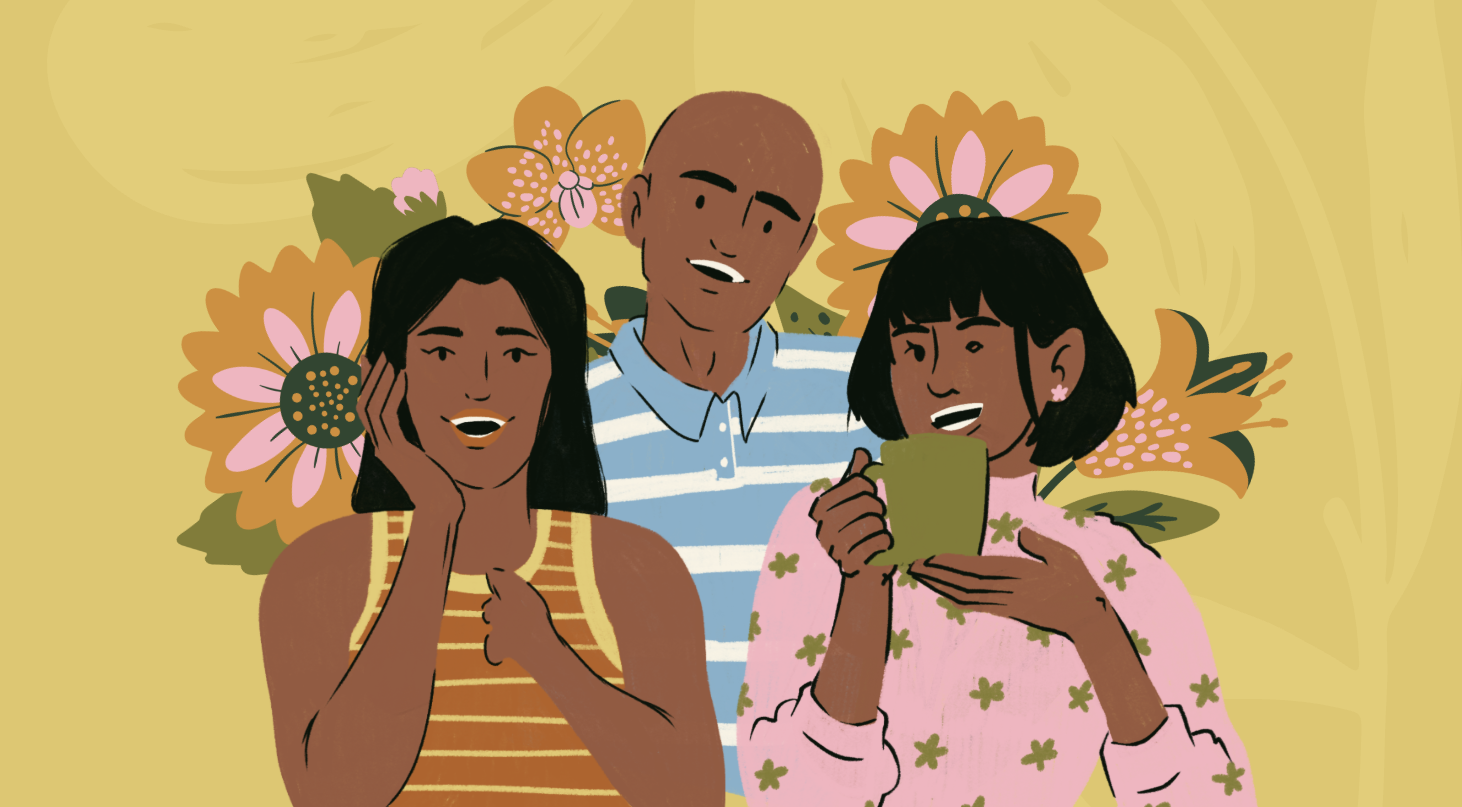
Every February, something shifts in the room.
In my community, we don’t let Black History Month pass quietly, We gather, we talk, we remember, we celebrate, we ask hard questions, and we sit with honest answers. We laugh, we reflect, and sometimes, we grow quiet not out of sadness, but out of reverence.
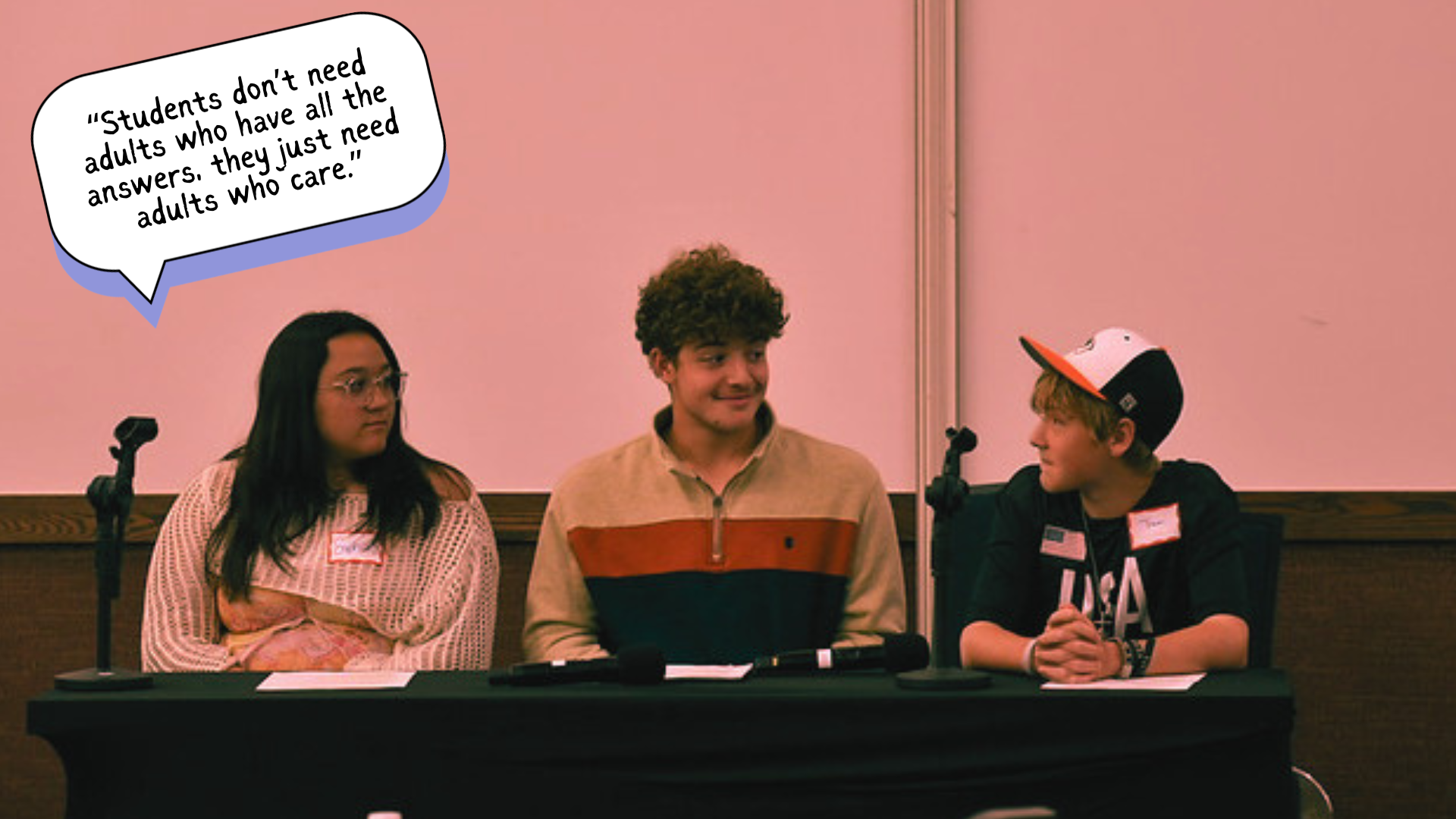
I belong to a youth-driven organization where February is more than a date on the calendar. It is a mirror. We look into it and see where we come from, what we have endured, and who we are becoming. Conversations stretch late into the evening as stories are shared stories of resistance, brilliance, creativity, and courage. Stories of people who dared to exist fully in a world that often tried to shrink them.
Black History Month, for us, is not only about pain. Yes, we acknowledge the struggles, the suffering, the systems designed to silence Black voices and limit Black lives. We do not erase that history. But we refuse to let it be the only story told.
Because Black history is also joy.
It is music that carries our emotions when words fail. It is innovation born from necessity and imagination. It is community of people lifting one another when the world insists on pushing us down. It is the quiet pride of parents who sacrificed so their children could dream bigger. It is the boldness of young people today who are unafraid to question, create, and lead.
During one February reflection, I realized something important: Black history is not behind us, it is alive in us. It breathes in our conversations. It shows up in how we organize, how we educate, how we build solutions, how we care for one another, and how we imagine a better future. Black communities have always been architects of progress, turning adversity into innovation and vision into action.
We are reminded of this through the lives of those who came before us leaders like Nelson Mandela, who showed the world the power of resilience and forgiveness; Martin Luther King Jr., who transformed courage into collective action; Maya Angelou, whose words affirmed Black dignity and self-worth; and Wangari Maathai, who proved that justice, environment, and community are deeply connected.
What fills me with pride is not only what Black people have survived, but what we continue to build. Against all odds, Black communities have produced leaders, innovators, farmers, scientists, educators, and changemakers who redefine what is possible. We are solution-oriented. We are resilient. We are forward-looking.
And perhaps most importantly, we are hopeful.
Hope is an act of resistance. To believe in a future where Black lives thrive not just survive is powerful.
Every February, as we reflect on our past, we also speak deliberately about the road ahead. We talk about equity, innovation, mental health, education, climate justice, and economic empowerment. We ask ourselves: What kind of history are we creating right now?
Black History Month reminds me that pride does not mean ignoring hardship, it means honoring resilience. It means recognizing that our ancestors’ dreams did not end with them; they live on through us. Their courage gives us permission to dream loudly and act boldly.
As February unfolds, my hope is that more people especially young Black changemakers see themselves reflected in history, not as footnotes, but as central figures. Celebrate your culture. Learn your history. Share your light. Let Black History Month be a starting point, not a conclusion.
Because Black history is not confined to the past.
It is happening now.
And it is something to be proud of.