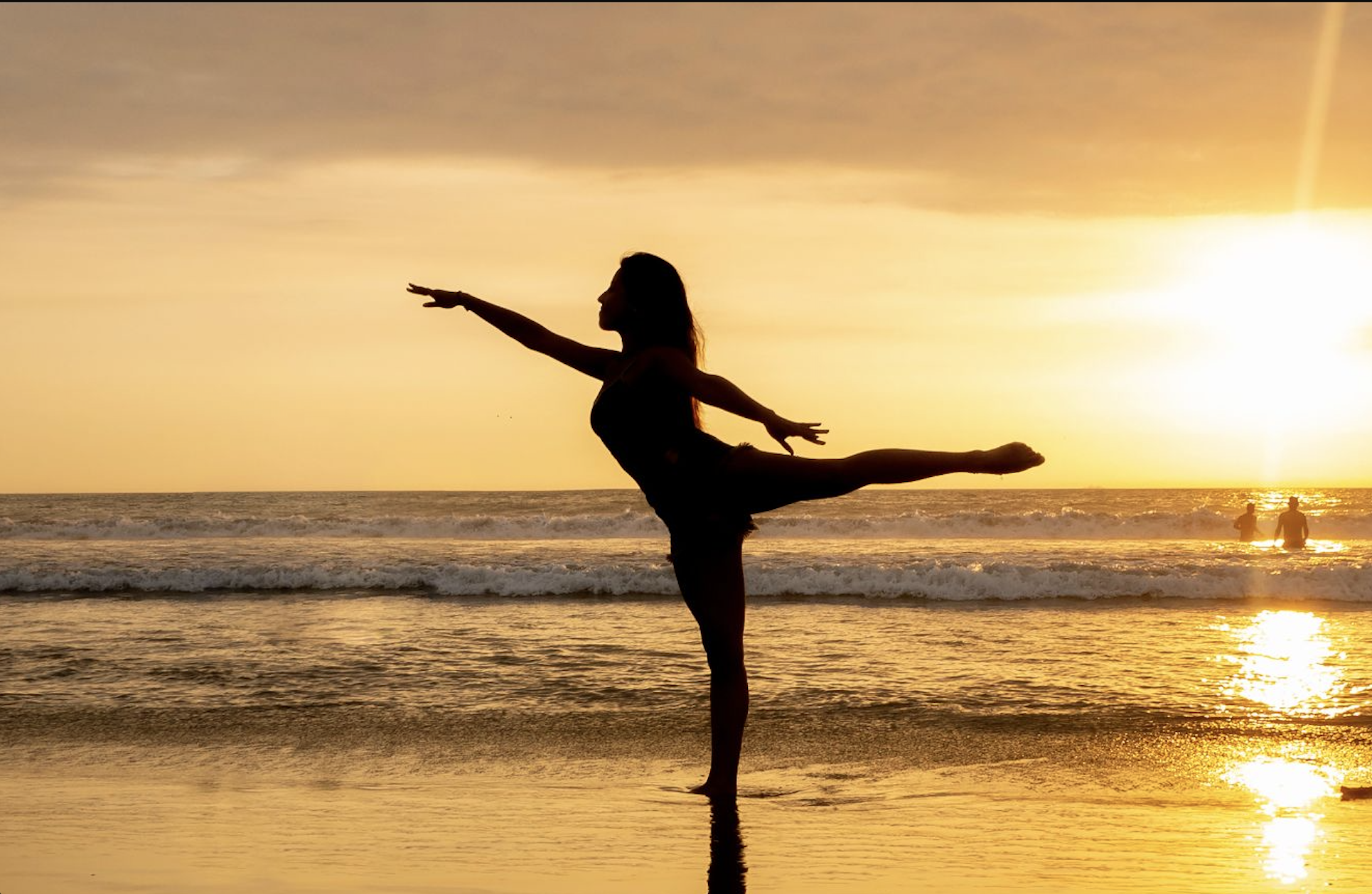


In today’s fast-paced and often overwhelming world, finding moments of calm can feel difficult, especially when it feels like social media and toxic productivity culture is always pushing us to constantly do and be more. Something that has always helped me find calm and brought me closer to myself is practicing yoga and pranayama — a breathing practice that means “control of breath.”
What makes these practices even more meaningful is their connection to my family and heritage. I first learned yoga and pranayama through family traditions, passed down through generations and rooted in ancient Indian teachings about harmony between the mind and body. Growing up practicing pranayama, alongside my grandmother helped me cultivate patience, resilience, and a profound sense of grounding, and connected me to the generations before who used the same traditions. In Sanskrit, the word yoga means “union,” and through daily morning routines I’m able to experience a connection of my body, mind, and spirit, helping me support both my physical and mental well-being.
With addictive social media algorithms, lack of support systems, and the current political climate, young people are increasingly facing anxiety, depression, and feelings of isolation at much higher rates than ever before. Through the simple practices of breathing and mindful awareness, we can help lower anxiety, clear thoughts, and even make space for gratitude.
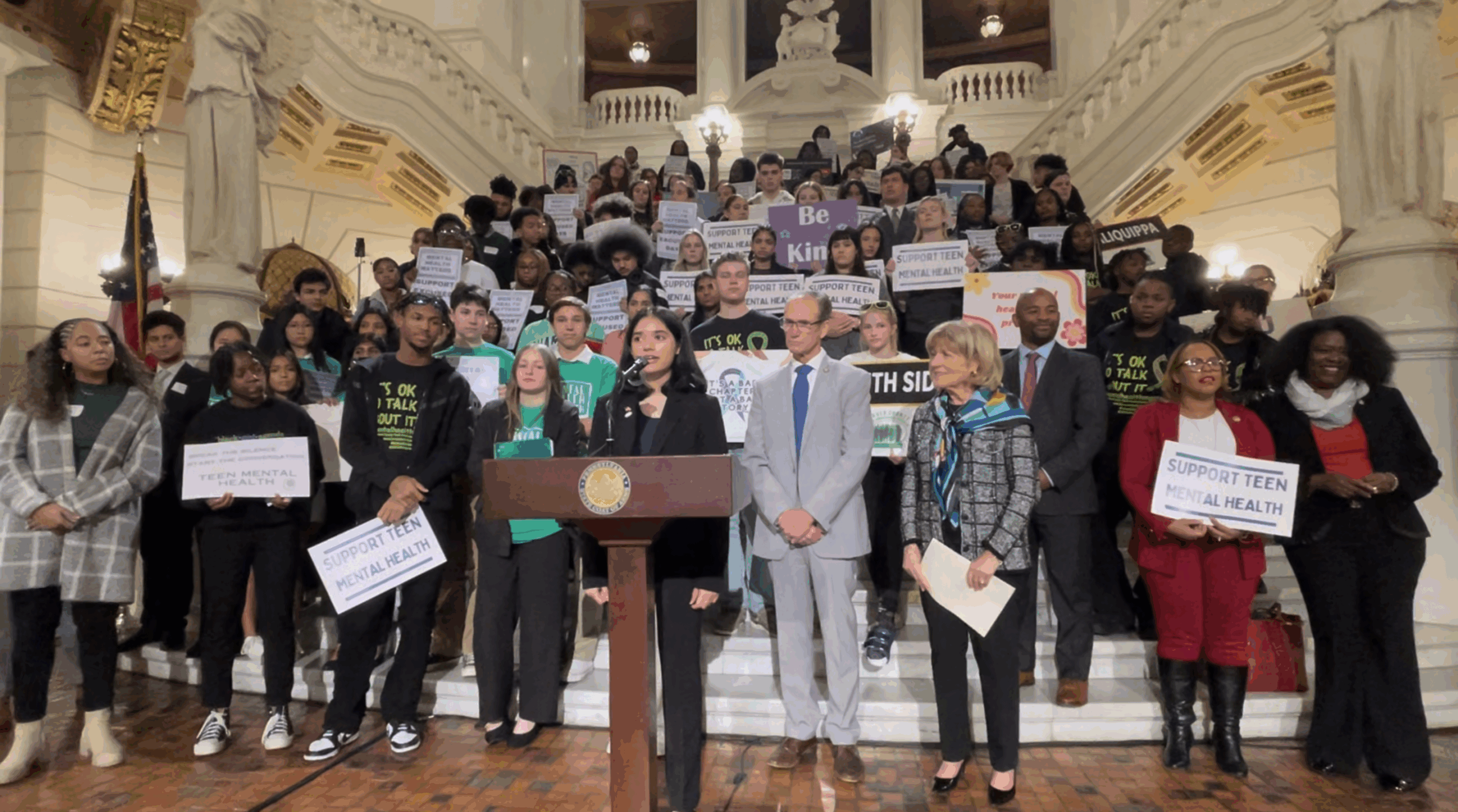
Meditation and yoga have taught me that caring for my mental health doesn’t always mean following grand gestures or complicated routines. Sometimes, it’s as simple as closing my eyes, focusing on my breath, and allowing myself to be fully present. These ancient traditions remind me that even in moments of stress or uncertainty, I have the tools to center myself and return to stillness, clarity, and peace. And working as a youth activist fighting for policy to bring equitable mental health access to diverse youth, it’s especially important to make sure I’m taking care of myself sustainably so our movement can keep going!
Through pranayama and yoga, I’ve learned that mindfulness is a practice and way of living that helps me move through the world with balance, purpose, and compassion. I encourage other young people, especially those struggling with their mental health, to explore mindfulness practices like meditation and yoga to bring moments of calm and clarity in their daily lives. It doesn’t have to be perfect or fit into an online aesthetic, we can try our best to make little moments of peace and center ourselves in our daily routines!