

I learned medicine in places where the lights don’t always stay on.
In Iraq’s largest public hospitals, resources are stretched thin and power cuts can happen without warning – sometimes even in intensive care rooms. When the lights flicker, machines pause, and alarms fall silent, you quickly learn that medicine is not just about knowledge. It is about leadership, creativity, and the ability to stay human under pressure.
When I first became a doctor, I believed excellence meant speed, accuracy, and knowing the right steps. I thought kindness was something gentle you offered once the emergency was over.
I was wrong.
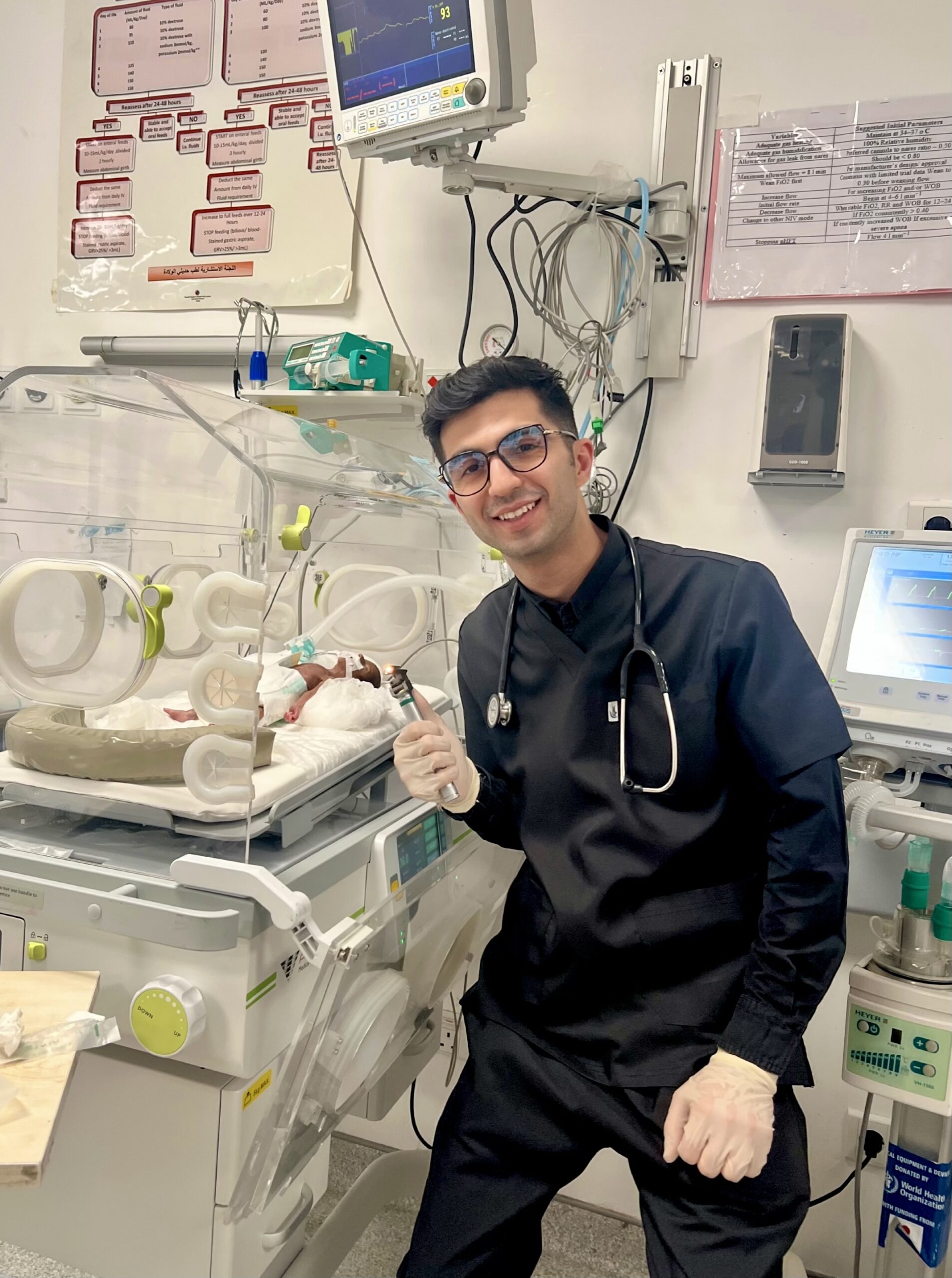
One night, deep into a long shift, a very tiny baby was rushed into the neonatal unit. The baby was born far too early and showed no signs of life.
The room surged with movement and anxiety – nurses rushing in, voices tight with urgency – and in that moment, calm became my responsibility.
I gathered the team and took charge, guiding everyone through what needed to be done. Minutes passed after starting CPR with no change. The pressure was intense. Resources were limited. Still, stopping was never an option.
Kindness, in that moment, meant not giving up.
Then slowly, almost imperceptibly, the baby’s color changed. A sound followed. A cry filled the room.
I didn’t feel victorious. I felt profoundly grounded.
That baby taught me something medicine had never put into words:
Kindness can be persistence.
Kindness can be leadership.
Kindness can be choosing to stay when walking away would be easier.
Whenever I feel exhausted or lose sight of why I do this work, I think of that moment. It restores my sense of purpose – not because of what I did, but because of what I chose not to do: give up. 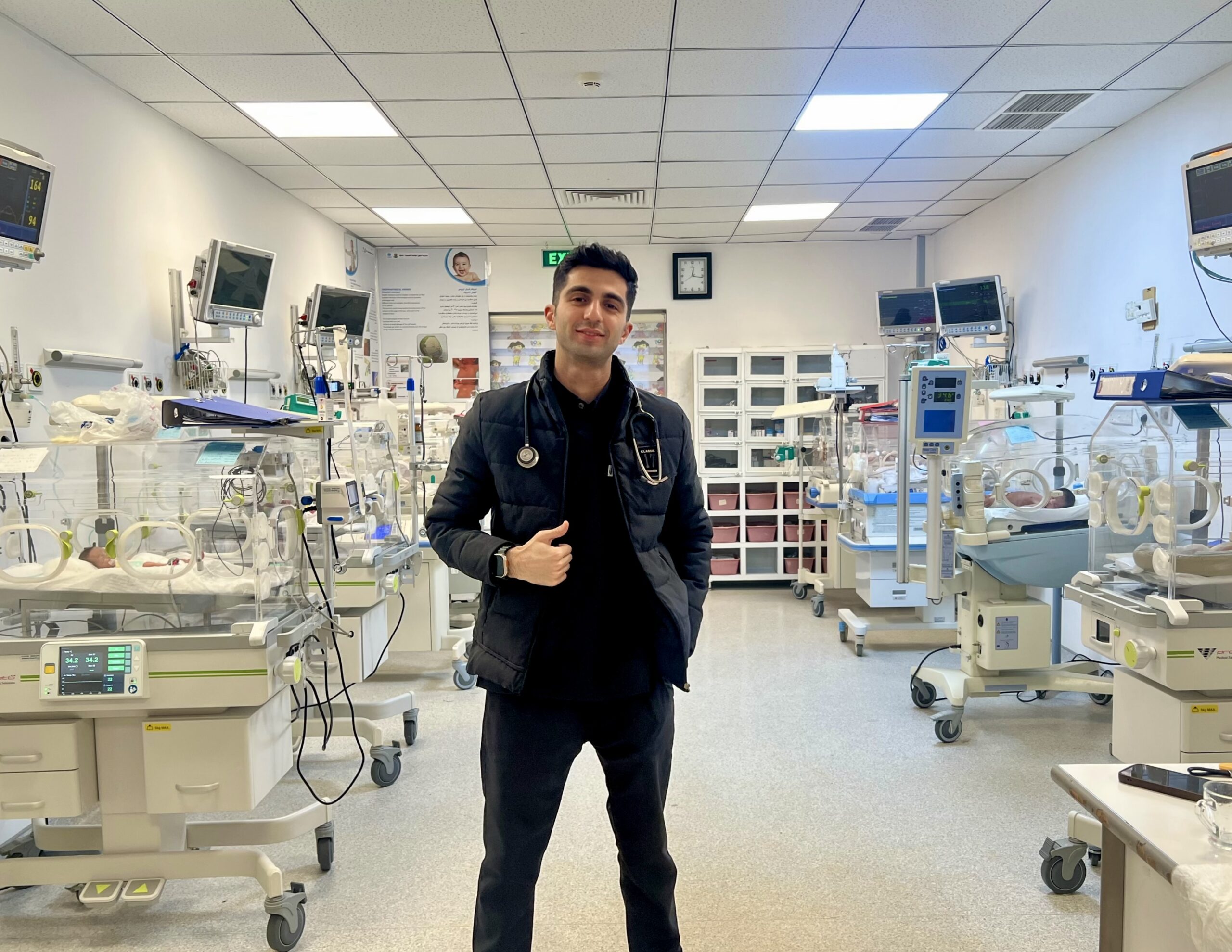
Kindness doesn’t always look dramatic
Over time, I learned that kindness often shows up quietly.
It looks like sitting with an anxious son who is terrified for his mother, taking time to explain, reassure, and steady him when fear takes over the room.
It looks like recognizing danger early in a young woman who came in with an unbearable headache, staying calm as her condition worsened, directing a team with clarity, and then refusing to leave her side. When our hospital couldn’t offer the care she needed, I accompanied her and her family in an ambulance for hours to another city – because continuity, presence, and reassurance mattered as much as treatment.
None of these moments felt heroic. They felt necessary.
Kindness, I learned, is not about being soft. It is about being present, especially when the outcome is uncertain.
When kindness means fixing what’s broken
One night during my training, a young girl with diabetes was rushed into the emergency room. She was barely responsive. What frightened me most wasn’t just how sick she was – it was how little we knew.
There were no shared medical records. No clear history. Her care was scattered across handwritten notes in different hospitals.
As her condition worsened, I stayed long after my shift ended, calling hospitals, speaking with nurses, and searching through paper files. Slowly, her story came together. Only then did we realize she had been battling a serious chest infection all along.
She survived. But that night changed me.
I realized that you can’t outwork broken systems forever.
So instead of only feeling frustrated, I decided to build what should have existed. I created a simple digital system for children with diabetes – nothing complex, just practical and reliable. One identity. One shared record. Information that followed the patient wherever they went.
Within five months, emergencies became less frequent and care became more personal – not because we worked harder, but because we worked kinder, building a system that respected people’s lives and suffering.
What my patients taught me
Over the years, I’ve helped stabilize more than a thousand people in crisis, and I know that many lives continued because someone chose not to give up in critical moments. But what stays with me is not the number.
It’s the lesson.
Kindness is leadership when things fall apart.
Kindness is clarity in chaos.
Kindness is taking responsibility – for a person, for a moment, or for a system that needs fixing.
Medicine taught me how to respond.
My patients taught me how to care – not just for individuals, but for the world they live in.
For anyone reading this, especially young people wondering whether kindness really matters in an unfair, difficult world: it does. I’ve seen it steady shaking rooms. I’ve seen it restore hope. I’ve seen it give meaning when everything feels fragile.
Sometimes kindness is a gentle word.
Sometimes it is calm direction.
And sometimes, it is the quiet, stubborn decision to never give up on another human life.
That is what my patients taught me.
And it is the lesson I carry with me every day.