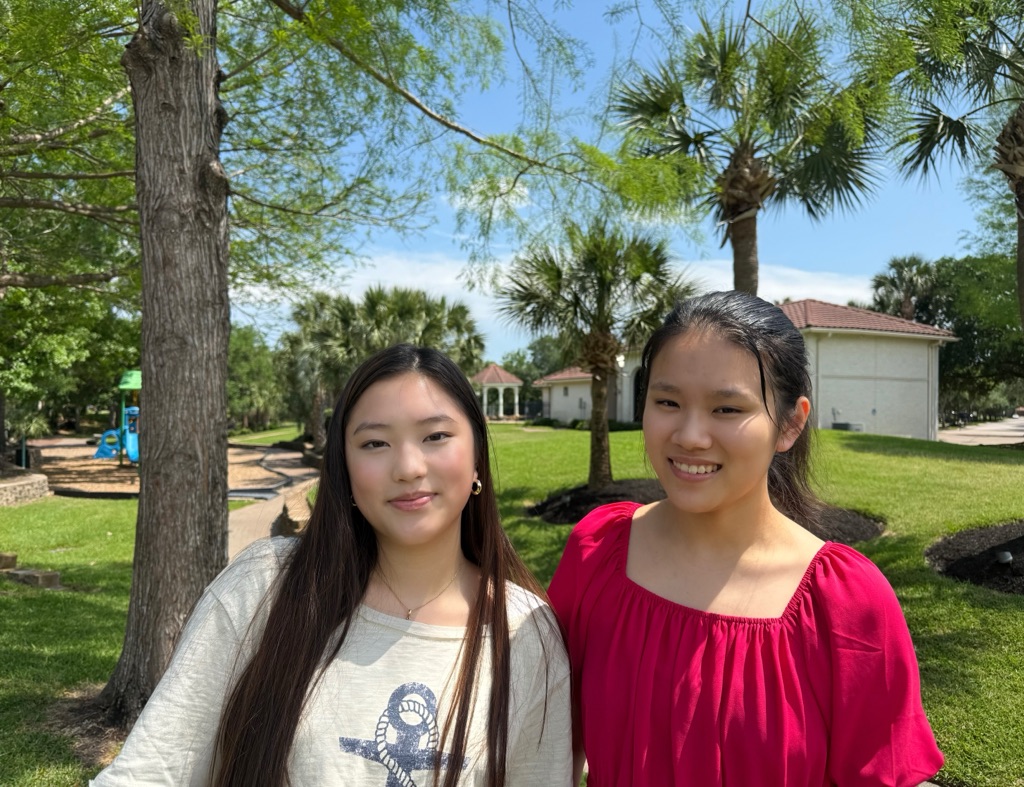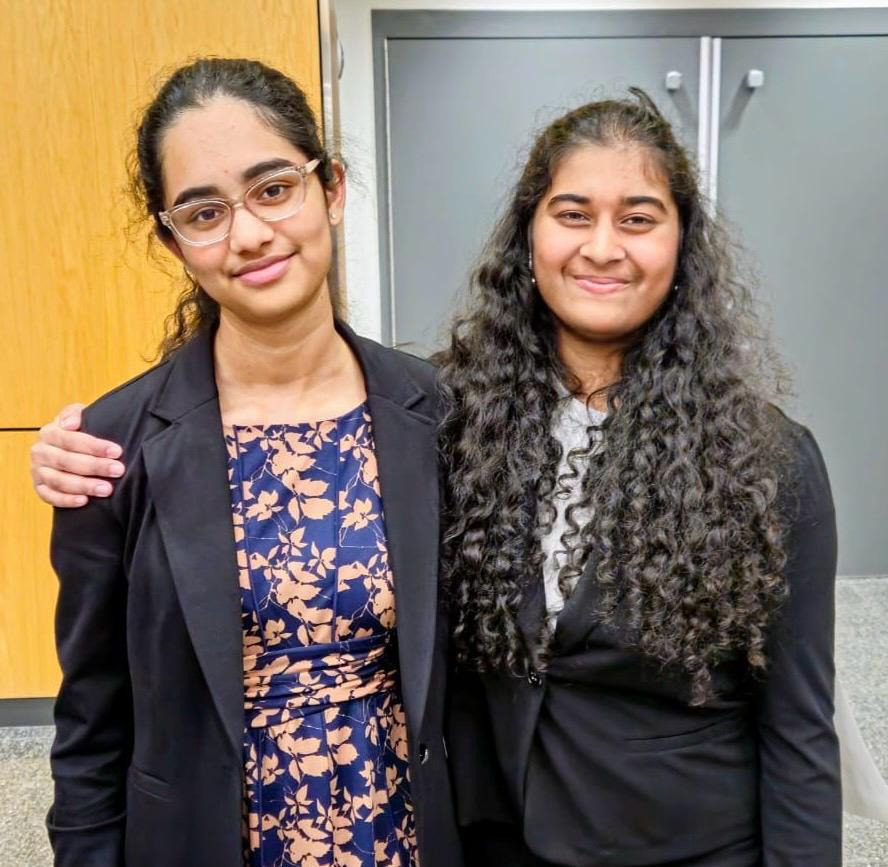
We watched opportunity pass our peers by, and we refused to let the system define our potential. This realization was not an abstract concept; it was a deeply personal frustration shared by two ambitious students navigating the high-stakes world of college preparation. Like so many of our peers, we knew that participating in impactful extracurriculars (ECs) was necessary for our future, yet we were constantly confronted by a profound and unjust reality: access to high-quality STEM opportunities was being determined not by talent, but by postal code.
The contrast was stark. We would hear students from well-resourced schools casually discussing exclusive university summer programs and prestigious research placements they found through parental or school networks. Meanwhile, we, alongside our public school peers, were left completely in the informational dark, utterly unaware these crucial STEM avenues even existed. Our high school counselors, burdened with hundreds of students, simply didn’t have the capacity or the specialized knowledge to track these niche, competitive programs. This systemic knowledge gap was the true barrier to our success. We realized our abilities were not the limiting factor; the simple lack of centralized, transparent information was the problem, particularly in the highly competitive and essential STEM fields. For us, this wasn’t just an inconvenience—it was a denial of educational equity.
That profound frustration—that our merit was being hampered by a lack of access—was the catalyst. In August of 2024, this feeling crystallized into the idea for a solution: a free, democratized extracurricular database exclusively focused on STEM, built on the uncompromising belief that every single student, irrespective of their background, deserves the opportunity to pursue their highest ambitions. We named it sirel.org, which stands for the STEM Internships, Research, and Extracurriculars Locator.
We stopped waiting for someone else to fix the system and dedicated ourselves entirely to building one. The initial process was pure hustle. We committed to meeting every single Saturday, dedicating hours at a stretch to coding and development. We chose to build the entire platform ourselves—a decision rooted in the need for total control over the user experience and a lack of outside funding. It’s a point of pride that the entire platform was initially hand-coded by us. We spent weekends immersed in HTML, CSS, and JavaScript, creating the framework from the ground up. The original code base, simple but functional, remains a testament to those intensive, foundational coding sessions that brought our vision to life.
Our next major hurdle was content. We were determined to create the most comprehensive, vetted STEM resource available, but the sheer volume of high-quality opportunities across the globe quickly threatened to overwhelm our small, two-person team. Recognizing the power of community and distributed effort, we quickly assembled a dedicated Discord research team—a small, passionate group of volunteers—to help with the extensive vetting and compilation effort. With their invaluable assistance, we successfully curated and validated an initial offering of 176 ECs ready for launch. When we hard-launched in July 2025, that was our starting point. Through continuous, community-driven effort, we have since more than doubled our original count, proudly featuring a little over 400 ECs today, each one thoroughly researched to ensure relevance and quality. sirel.org offers students deep filtering capabilities that allow them to sort opportunities by factors like virtual versus in-person, specific scientific discipline (e.g., Computer Science or Biology), and application deadlines, truly making the search equitable and targeted.
The response was immediate and staggering. Just one month after our quiet launch, and before we had deployed any formal advertisement, we woke up to discover the platform had organically attracted 5,000 users across 60 countries, generating nearly 200,000 hits. It was an overwhelming, instant validation that the problem we faced was not isolated—it was global, and our solution resonated. Students in places we had never imagined were finally finding the opportunities they deserved.
Now, in December of 2025, we have scaled from two co-founders into a dedicated team of 15, encompassing content and outreach specialists focused on keeping the resource current and visible. As of the end of November 2025, we have seen around 325,000 hits from international locations like Japan, India, China, Australia, and Russia, serving approximately 7,000 active users.
We are immensely proud of this transformation—from a shared teenage frustration to a worldwide platform that is actively leveling the educational playing field, particularly in STEM. Every metric, every new user, validates our original belief: that access to information should be a universal right. We are not just building a database; we are building a movement where a student’s potential can reach not just the moon, but the stars and beyond. We are excited to continue this mission, ensuring that ambition, not affiliation, determines where the next generation goes.