



Whether you’re a grad student like I am, a freshman facing your first week of midterms, or somewhere in the middle, you probably know that this stretch of the semester tests more than just your knowledge. With the stress of finals looming in the distance and the exhaustion of the semester setting in, midterms can test your confidence, your motivation, and for many, your mental health. In fact, ⅔ of college students report having experienced emotional or mental health challenges over the last year, a reminder of the importance of taking care of yourself and your community throughout the semester.
That’s what a Midterms Survival Kit is all about—small, simple practices to carry you through exam season with a little more calm, confidence, and connection. Here are ten tools that I keep in my Midterms Survival Kit, and you should too!
1) Fuel Your Body, Recharge Your Focus
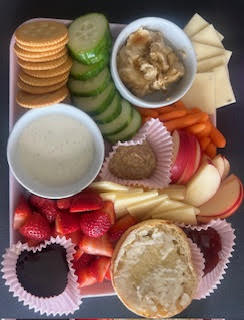
Surviving study sessions on caffeine alone is rarely as efficient as it may seem, and often leaves you feeling foggy, distracted, and on the fast-track to burning out. A healthy, fueled body is a healthy, fueled brain. Prioritizing eating full, balanced meals and equipping yourself with quick snacks like bananas, protein bars, or cheese will help you power through the piles of reading and maintain the focus and energy needed to succeed. And don’t forget water! My rule for hydration is two glasses of water for each cup of coffee!
2) Build a Comfort Routine
Little rituals to create a calm, cozy atmosphere can bring you the tranquility and comfort needed for productivity or recharge after a long day of work. This can look like making a cup of tea, changing into a soft sweater, or playing your favorite music to get in the zone. Knowing what items bring you physical comfort and making a habit of incorporating them into your space will help you focus, rest, and show yourself that you are worthy of care.

3) Lean on Your Support System
Your circle is your greatest resource and a powerful source of strength. Whether it’s swapping studying strategies with classmates, sharing your worries with a mentor, or reaching out for encouragement from a family member, you do not have to do this alone. Draw from the knowledge and support of your people and remind yourself that they are cheering you on!
4) Stack Study Time + and Social Time
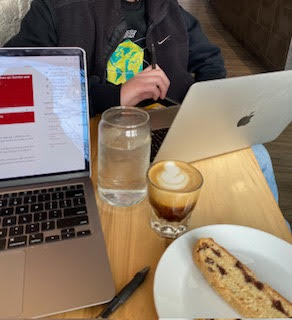
As a college student, it can be difficult to prioritise your community or nourish friendships. Make study sessions moments for connection by meeting in groups to spend time with each other while sharing creative learning strategies,and holding each other accountable. Turn review material into chit-chat with friends and laugh through the stress and frustration. Together.
5) Decluttering the Chaos: The Eisenhower Matrix
Are you feeling daunted by your to-do list that seems to be a mile long? Deciding what tasks to prioritize and organizing a focused plan to manage your workload can be incredibly difficult. I have found that using the Eisenhower Matrix to divide my tasks by importance and urgency helps me to confidently stay on top of my work while knowing I can take time to Rest.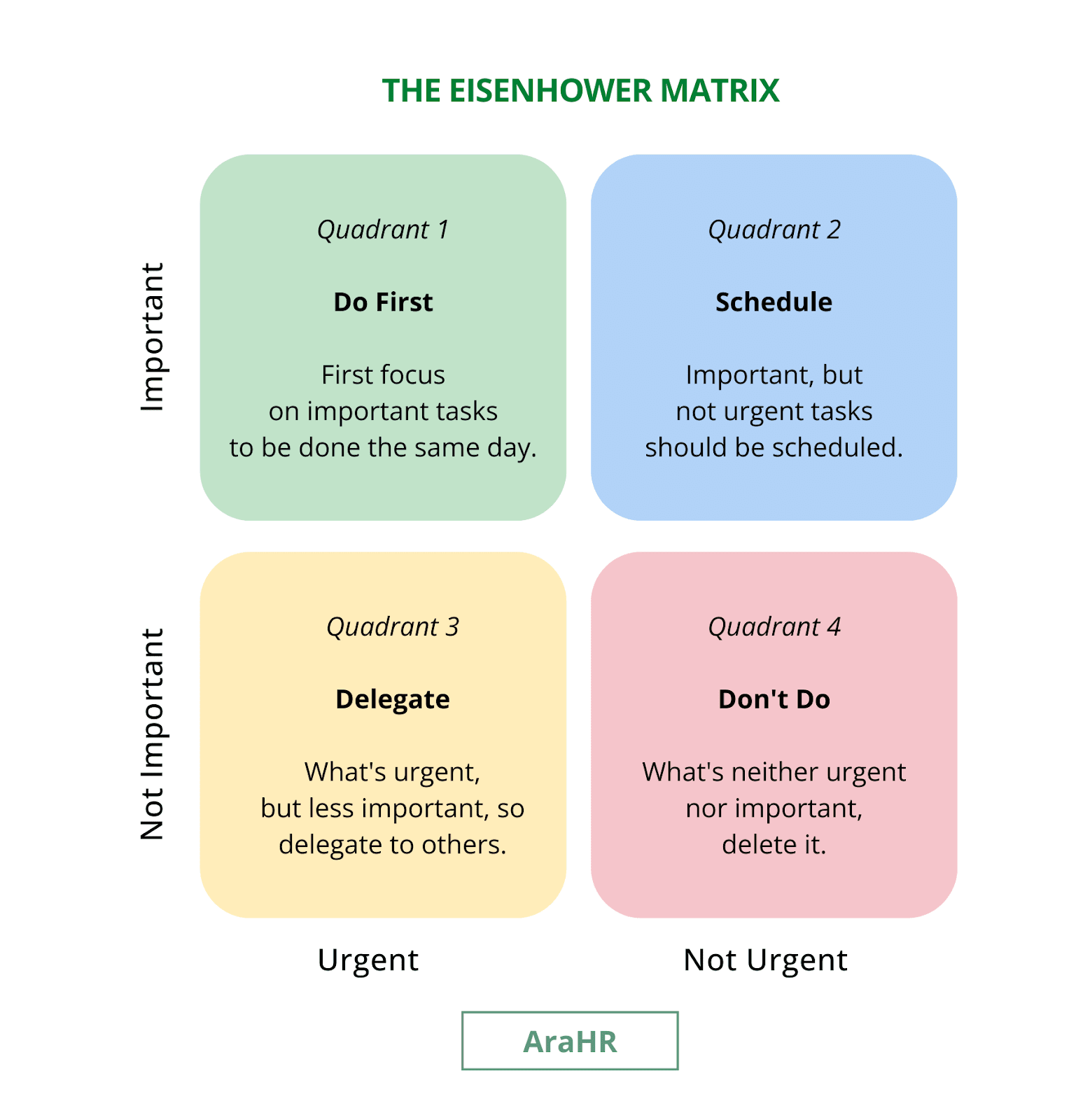
6) Check In with Yourself
In addition to decluttering your chaotic to-do list, it is important to take the time to declutter your brain and be aware of your needs. Noticing when studying is making you feel more stressed instead of more prepared or checking in with your body to ask yourself if you are tired or hungry can allow you to recognize when you need a break. Remembering to regularly check in on yourself and responding with self-compassion will help you avoid burnout, study more productively , and combat feelings of anxiety.
7) Celebrate the Small Successes
It is easy to focus on everything that you still need to do and forget about all the work you have accomplished so far. Celebrating the ‘little wins’ as they come can boost your confidence, motivation, and set you up for future success. So next time you finish a set of flash cards, submit an assignment, or attend a review session, take a moment to pat yourself on the back and reward yourself with something that makes you happy—a sweet treat, a yoga break, or a mini dance party!
8) Make Kindness a Habit
Kindness can make even the most stressful of weeks feel more manageable, both for yourself and for others. Offer a quick message of encouragement to your classmates, help your friend with a problem set, and, especially important, speak to yourself with empathy and encouragement. Start by setting the tone with yourself, practicing positivity and being your own cheerleader, and then let your kind attitude spread to others, making campus a more positive and uplifting place.
9) Shake Off the Stress
Despite all your preparation, the moment right before a test can be filled with fear and many continue to cram up until the very last second to try and mitigate feelings of uncertainty. However, I encourage you to set aside the flashcards for a minute and take a deep breath, and remind yourself that you are ready for this. Use this time to move your body around and shake off the stress, release tension, and reset your brain with calmness and clarity.

10) Practice Self-Compassion
At the end of all the tests, papers, and projects, exam periods can lead many to self-criticize or ask themselves if they could have done more, especially if things don’t go as planned. The most important tool in your survival kit is self-compassion. Your grades are not a reflection of your worth as a person, and you deserve patience and understanding. Remember, you’re doing your best. Through challenges or setbacks, be kind to yourself and continue moving forward with confidence and courage.
Midterms may never get easier, and there is no single right way to navigate the stress while balancing self-care. These tools aren’t a one-size-fits-all, and your survival kit should be filled with what helps you feel your best, learn your best, and recharge your best.
Taking care of yourself helps you show up stronger, kinder, and braver. When you ask for help from your loved ones, offer support to your classmates, and celebrate your accomplishments, you remind yourself and others that none of us have to go through midterms alone. Keep your Midterms Survival Kit close. You’ve got this!