


I was learning calculus when I discovered I got my period. Getting out of my seat and shuffling to the bathroom, I prayed that the girls restroom was stocked with a pad or tampon. There wasn’t any. After class, I discussed with my friends the regular misgivings of our school bathrooms, unable to provide products when needed the most. Soon, I discovered my struggles were shared with almost every woman at school, outrageously violating women’s basic hygiene needs and dignity.
In response, I was empowered to communicate with my administration directly, collaborating to create specific and effective solutions. By delegating the task of restocking menstrual hygiene products to staff members, coupled with a unique email to alert administration when bathrooms ran out of products, I was able to ensure that women at school could regularly access period products. However, after creating school-specific solutions, I realized that this issue was not specific to my school, and menstrual stigma plagued my greater community.
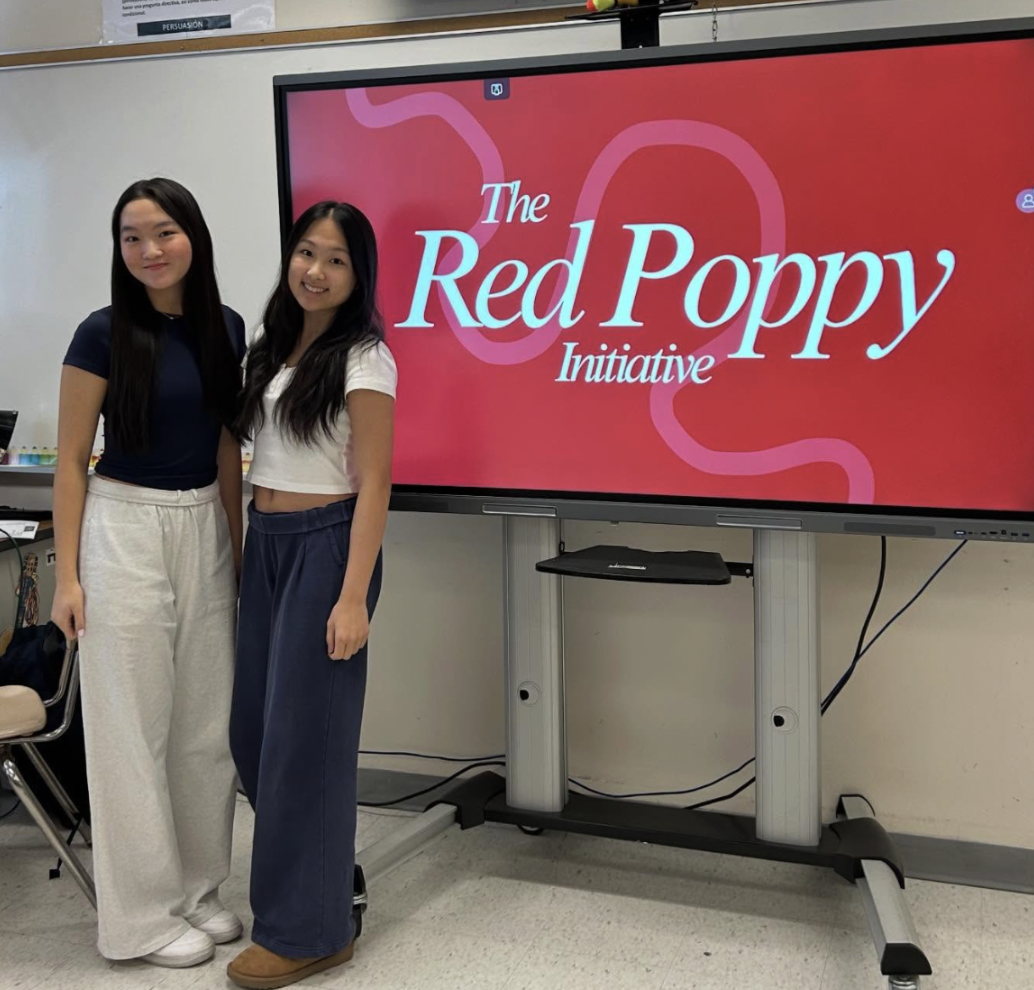
My best friend, Suha, and I congregated to discuss. We realized that my story didn’t come from a singular issue: it was the product of generational stigma surrounding periods and menstrual health. It not only led to incidents like mine, but also global crises like period poverty, menstrual de-education, and more. To resolve this discrepancy, we created our nonprofit The Red Poppy Initiative (TRPI), in hopes to destigmatize menstruation and make it accessible to all.
This oversight of menstruation is a global crisis. It affects everyone, regardless of age, geography, sex, or gender. There are girls in rural areas who skip school because they are on their period; there are women my grade, my age who are scared to talk about their periods to their own friends. I am outraged. Legislation and curricula have consistently overlooked women’s health. Not enough attention is focused on gender-based violence, which not only proliferates harmful ideas on gender-based struggles—that women “have it easier” than men—, but also premises the public sphere to advertise deeply sexist dialogue and pass it off as normal.
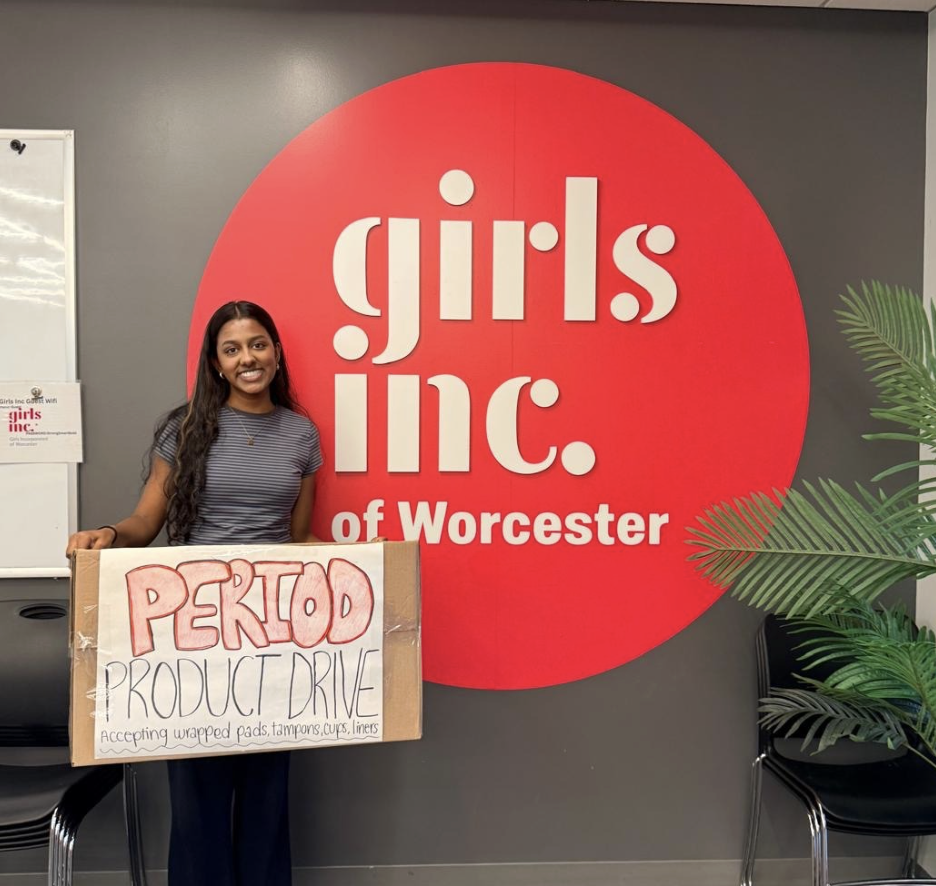
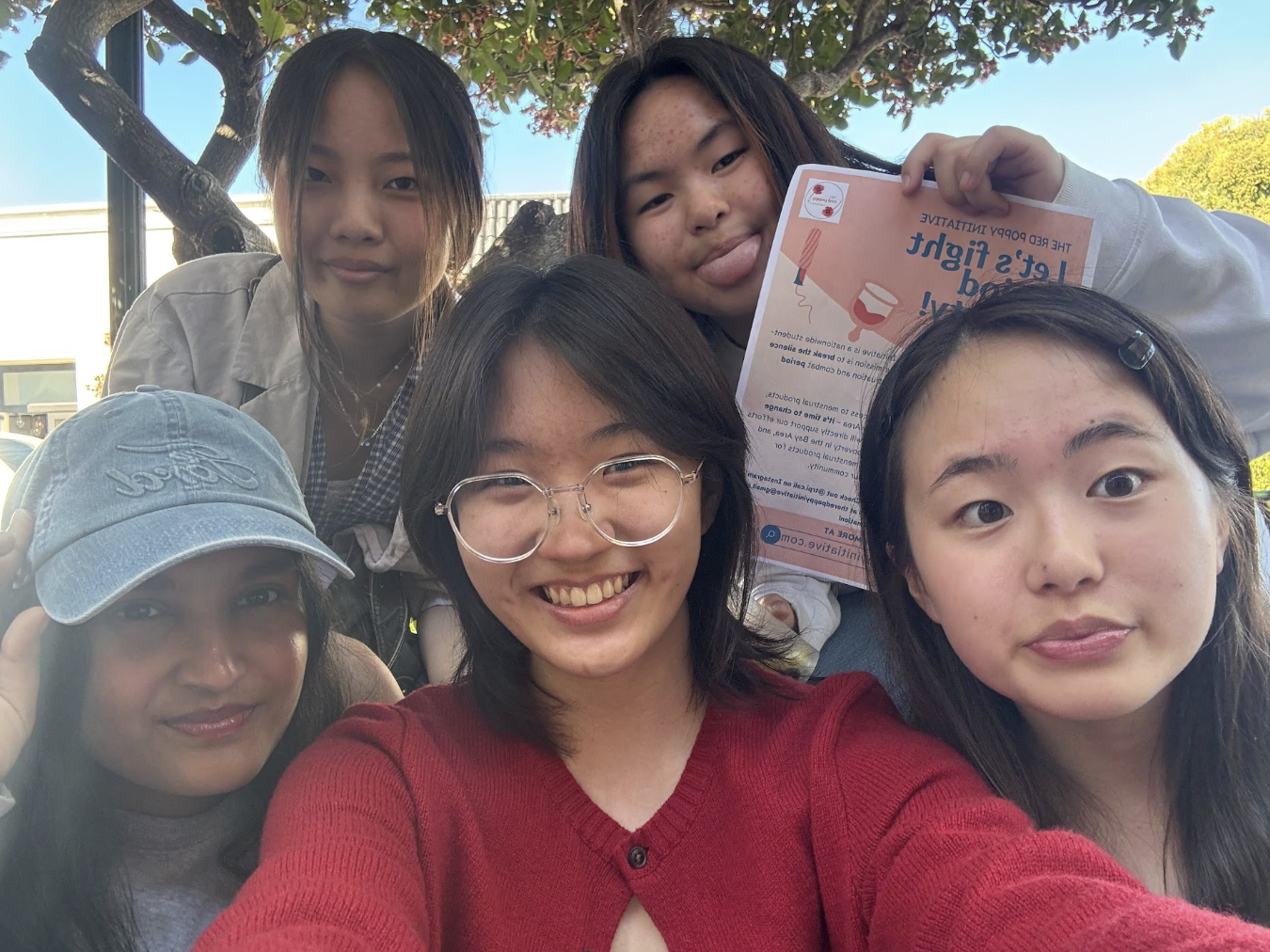
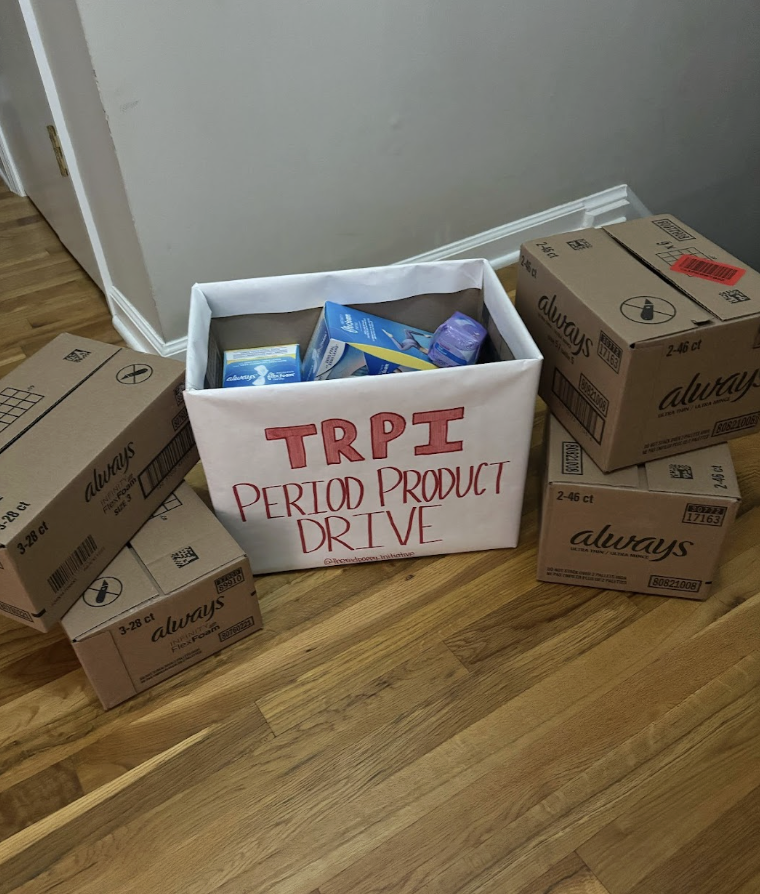
I dream of recatalyzing my anger, my frustration towards the status quo into actionable change. While TRPI was made to address the local issues of menstrual stigma in the state of Washington, I quickly realized how broad this issue truly was and how I had the power to change perspectives towards periods on a global level. With seven chapters, reach in two countries, and over 125 members, TRPI has been flourishing with activity to accomplish our cumulative goals of destigmatizing menstruation and making periods accessible. We start period product drives to donate to women in need and tackle harmful legislation head-on by meeting with various policy makers to create long-term change for our cause.
I created TRPI to break this silence. To me, TRPI stands against the patriarchy: it was founded to empower women and tell them that they have a voice, and that women are capable of making great changes to issues contextual to us. I want to be a role model to young women, and I want TRPI to epitomize the strength in female allyship. Each project that TRPI starts is dedicated to destigmatizing menstruation so the incidents I recounted don’t happen again. Each meeting, each period product drive, each workshop is a step towards our end goal: to end period poverty and menstrual stigma. These projects are heartfelt gifts from us, the TRPI members, to our broader community. In pursuing our goals, I hope to see a world where women can laugh blissfully, beautifully, and freely about their periods.