



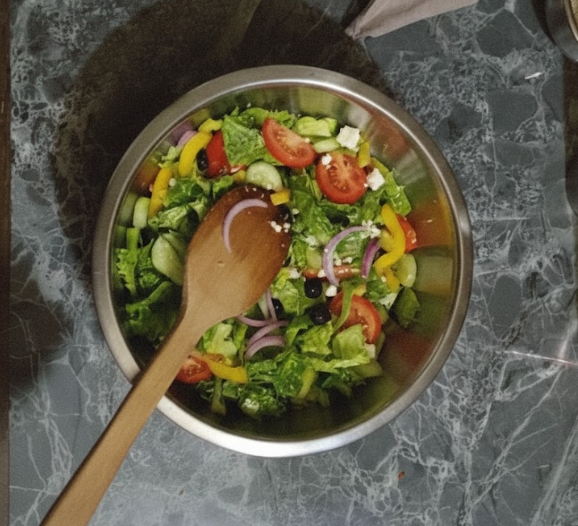
The scent of collard greens simmering low on the stove has always felt like time travel to me. Each February, as Black History Month arrives with its parades and proclamations, I return to my grandmother’s kitchen instead. There, amid the clatter of lids and the soft hum of gospel on the radio, joy reveals itself in small, enduring ways. It is not always triumphant shouts or grand gestures. Sometimes it is the way she measures love by the handful, teaching me that history lives in the meals we make together and the laughter that fills the room when the pot is just right.
A Legacy Simmered Slow
My grandmother learned to cook from her mother, who learned from hers, stretching back through years when ingredients were scarce and joy had to be cultivated like a garden in poor soil. She tells me stories while we cook: how her own grandmother turned scraps into feasts during the lean times after the Great Migration, how music from the old radio kept spirits high even when the world outside tried to dim them. These are tales laced with delight—the way a neighbor’s child would dance in the kitchen doorway, or how a perfect peach cobbler could turn a hard day soft.
I watch her now, hands steady despite the years, and see Black joy as continuity. It is the refusal to let hardship erase delight. When we chop onions together, tears mixing with laughter, I feel the thread of generations. This kitchen is my archive, where history is tasted, not just read.
Planning Moments of Light This February
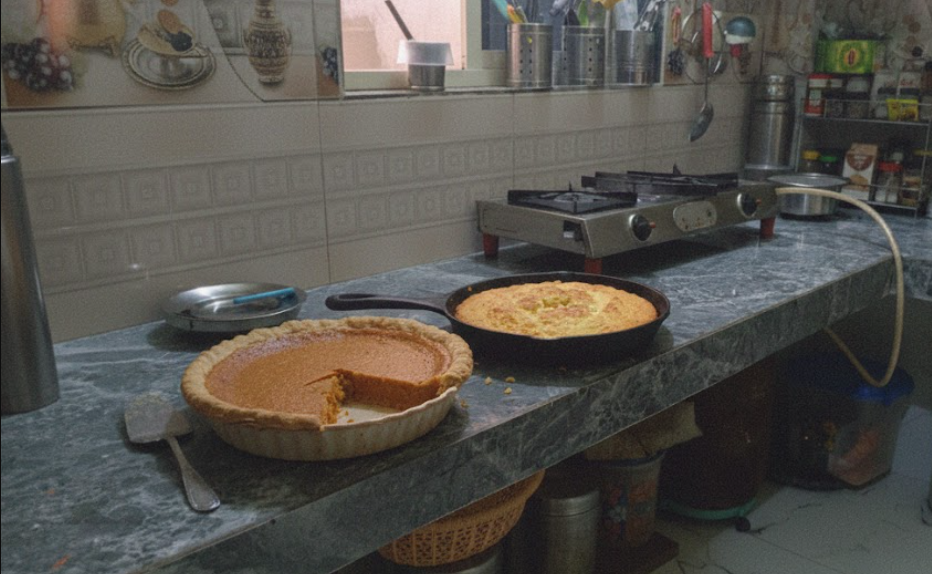
This Black History Month, I plan to celebrate by hosting a small gathering in that same kitchen. Friends will come, young people like me who sometimes feel the weight of headlines more than the lift of heritage. We will cook my grandmother’s recipes: sweet potato pie with extra nutmeg, cornbread golden at the edges. But the real celebration will be in the sharing. Each person will bring a story of their own Black joy—a song that makes them dance in the mirror, a book that sparked hope, a family joke that still lands after decades.
In these gatherings, kindness blooms naturally. We listen without judgment, affirm without fanfare. It is aspirational: a reminder that joy is communal, that celebrating Black history means making space for it to breathe in the present. No speeches, just plates passed and stories swapped. This is how I honor the month—not by adding to the noise, but by creating pockets of peace where joy can rest and grow.
Black joy does not need permission or spotlight to exist. It thrives in the ordinary: a shared meal, a remembered laugh, a hand reaching for the same spoon. As February unfolds, I carry my grandmother’s lessons forward, inviting others to taste the same warmth. In doing so, we build a kinder world, one story and one plate at a time. This is celebration—not as performance, but as presence. And in that presence, history feels alive, hopeful, and deeply, quietly joyful.