


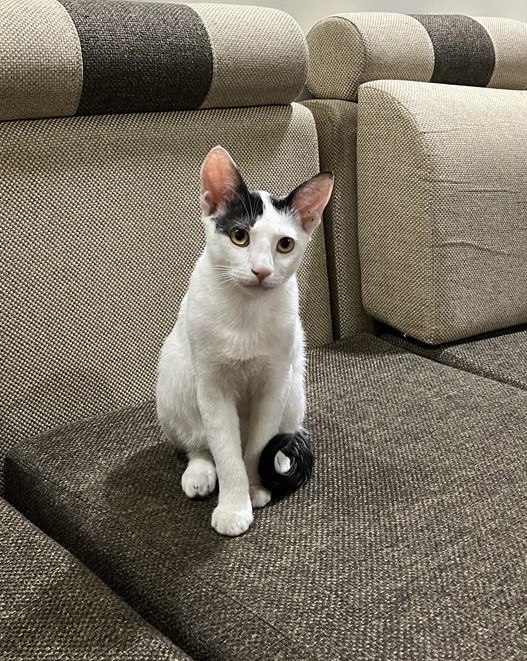
As a veterinary student, I have spent innumerable hours studying animal anatomy, behaviour, and medicine. But no textbook ever prepared me for the lessons my pet cat taught me about the human mind. Working closely with animals, I have realised they’re truly tiny, fur-covered philosophers. They live with a great ease and self-awareness that most of us spend years (and therapy sessions) trying to cultivate. And that’s how, between bandaging paws and memorising pharmacology, I found my best mental health mentor purring beside me.
When you spend your days observing animals, especially cats, you start to notice how instinctively they prioritise wellbeing. They eat when they are hungry, rest when they are tired, and express affection or irritation without overthinking. Meanwhile, we humans tend to complicate things with guilt and deadlines. My cat, however, has his boundaries, his naps, and his unapologetic me-time figured out.
So, if you’re struggling with stress, anxiety, or just the general chaos of being alive, let me introduce you to six purr-fectly important lessons my cat has accidentally (or maybe not so accidentally) taught me about positive mental health.
1) Nap when you need to (the art of strategic rest)
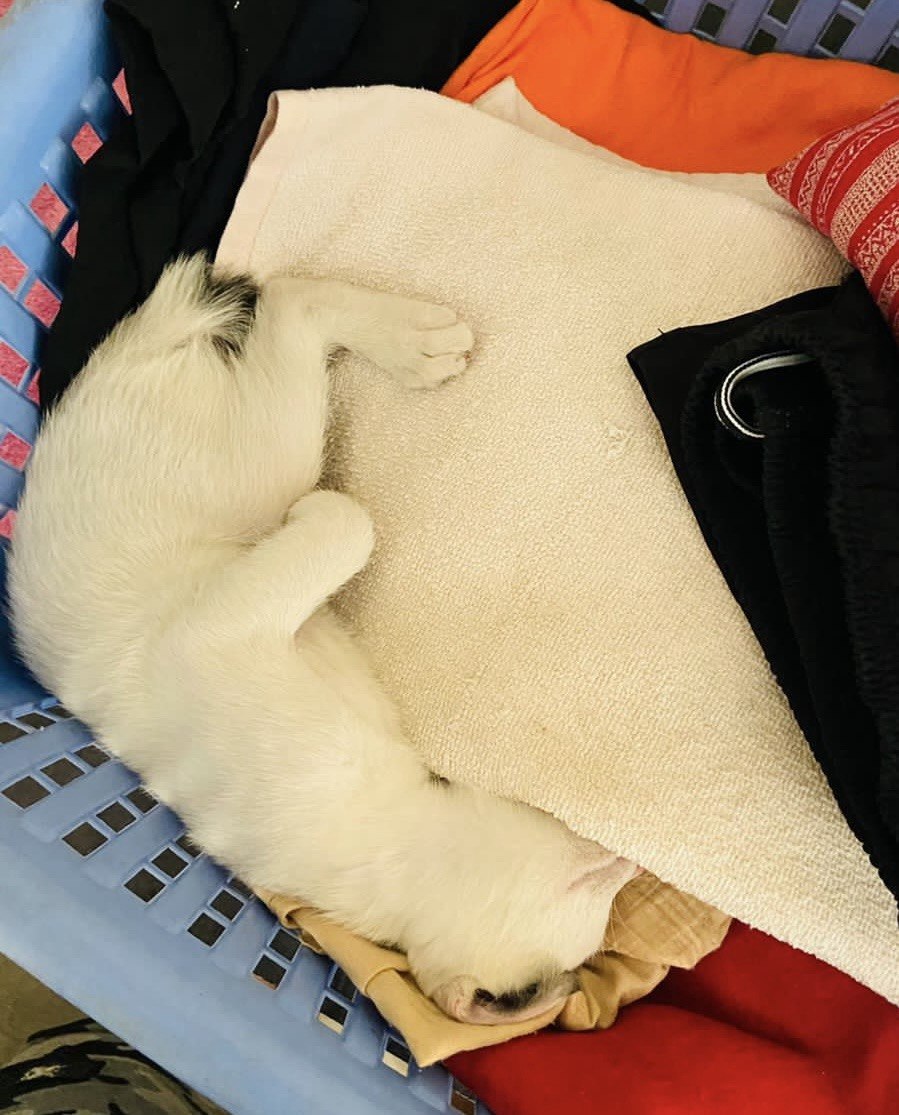
Sleep is not lazy; it’s essential. My cat sleeps approximately 16 hours a day. Sixteen hours. And he doesn’t apologise for it. He is not worried about productivity and has no FOMO. He just… sleeps. Meanwhile, I, running on 5 hours of sleep, often wonder why I feel like I am losing my mind. Sound familiar?
Research shows that sleep deprivation is linked to increased anxiety, depression, and a general inability to cope with life’s challenges. But we treat sleep like it’s optional and something to “catch up on later.”
My cat has never heard of “catch-up sleep.” She operates on a philosophy of consistent, guilt-free rest. He’s basically mastered what therapists have been saying for years—your mental health can’t wait for a vacation. It needs daily maintenance.
2) Stretch before you lose it (the power of movement)
Physical activity is mental medicine. Every morning, without fail, my cat does a full-body stretch. Front paws out, back arched, and tail high. He holds it for a few seconds, like he’s pressing the reset button on his system. I call it “cat yoga,” and he does it because his body knows it needs it. After stretching, he is calmer, more focused, and definitely more ready to chase imaginary enemies under the couch.
Science agrees. Movement releases endorphins, which are the brain’s natural mood boosters. Even light exercises like walking, dancing, or a quick stretch can reduce anxiety and lift mood. You don’t even need an intense workout; just a stroll around is enough. Take a paws and stretch; your brain will thank you.
3) Demand attention when you need it (the importance of connection)
My cat never pretends to be fine when he is not. If he wants attention, he asks for it – meowing, rubbing against my legs, or climbing straight into my lap. There is no hesitation, no embarrassment, just a clear message: I need you.
Most of us do the opposite. We stay quiet, minimise our pain, and hope someone notices. But connection is essential to mental health. My cat reminds me to reach out before the loneliness hardens. Asking for support isn’t necessarily a weakness; it is truly and essentially a means of survival.
4) Fur-give quickly and move on (let go of grudges)
I accidentally stepped on my cat’s tail once. He hissed, walked away, and then returned moments a day later like nothing had happened. No sulking. No scorekeeping. Just a reset.
Humans cling to anger far longer than it serves us. Holding grudges keeps the nervous system on edge and drains emotional energy. My cat’s approach is better: react, release, return to the present. Forgiveness often is very largely about choosing peace over forgetting.
5) Create a safe space that’s yours alone (the importance of boundaries)
My cat has a spot that’s entirely his. When he’s there, he’s unavailable, like resting, recharging, and opting out of the world. Because his boundaries are respected, he’s calmer and more affectionate later.
We forget that we need this, too. Constant availability leads to burnout. Boundaries help us with that maintenance. Protecting space intentionally replenishes energy and can keep you going better than you otherwise would.
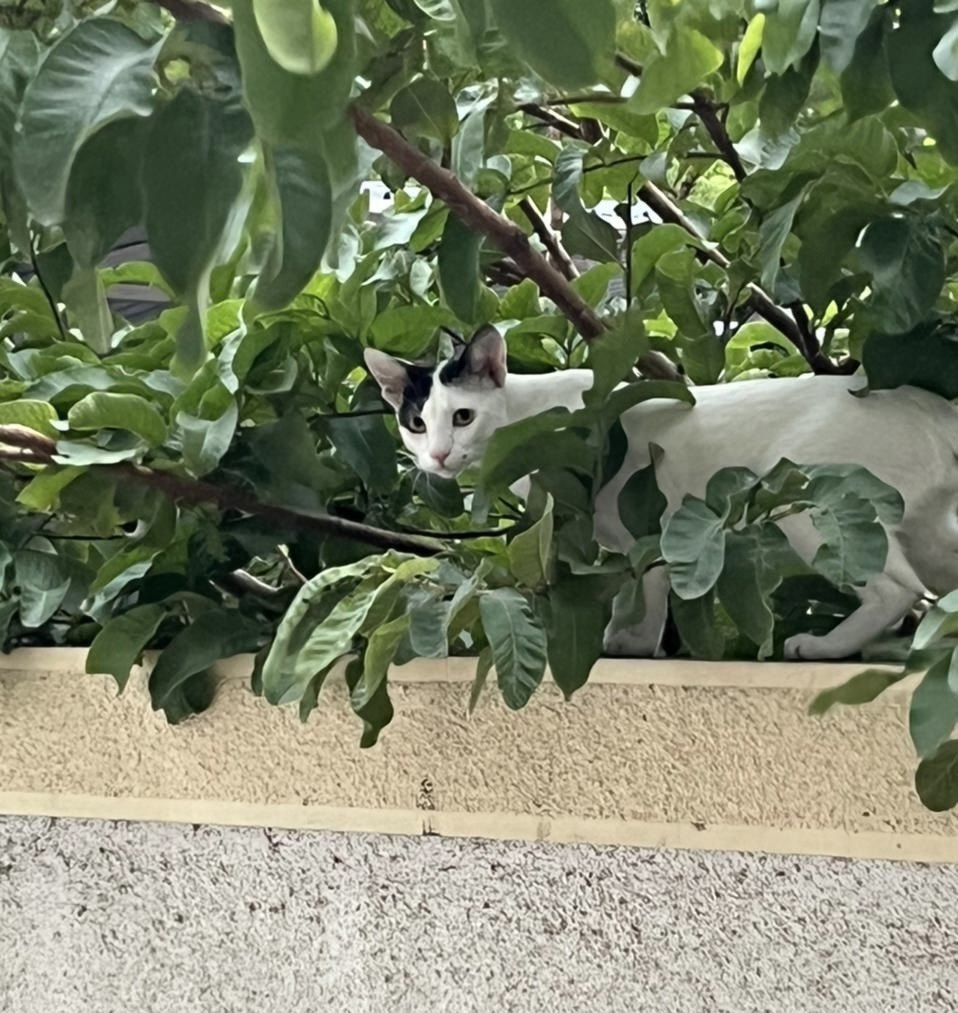
6) Embrace your weirdness (being yourself is the healthiest thing you can do)
My cat is unapologetically strange. He chirps at birds, sprints at odd hours, and knocks things off tables for reasons known only to him. He makes no effort to be anything else.
Humans exhaust themselves trying to be normal. But pretending costs energy, while authenticity restores it. My cat doesn’t dilute who he is, and neither should you. Be odd, be loud, and be real. The right people won’t ask you to shrink.