

I want to bring you to Iraq for a few minutes — not the Iraq you see on the news, but the one that raised me. The one where kindness has to be practical, not poetic. Where people have learned to survive on empathy when systems fail them.
It was during the height of the COVID-19 lockdowns when I learned my most important lesson about kindness and intergenerational partnership. My team and I at our Youth For Women Foundation were conducting the first domestic violence research study in rural Iraq. We drove for hours through dusty roads, carrying surveys and masks, knocking on doors in fifteen villages and displacement camps.
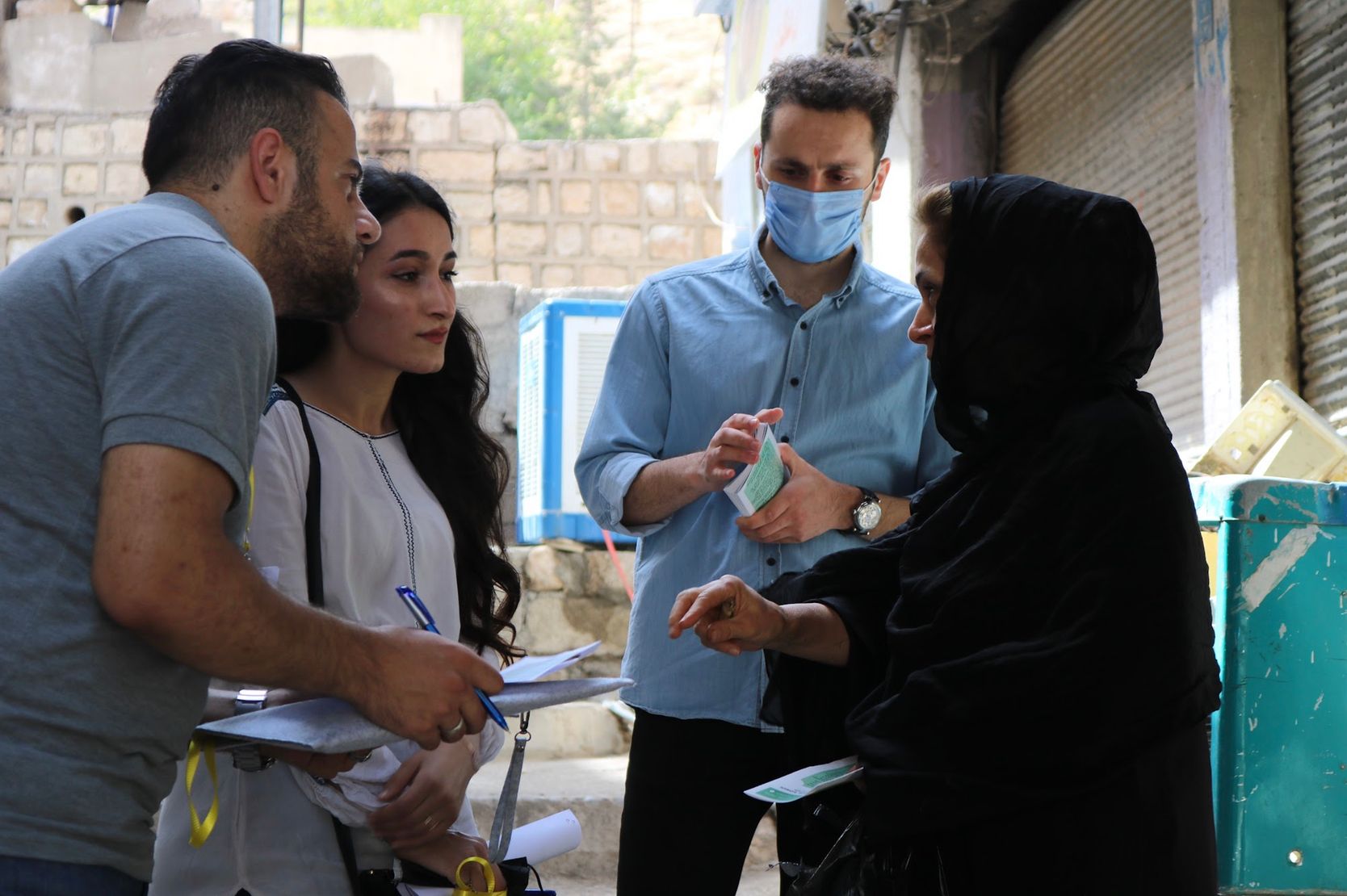
We spoke face to face with over a thousand women, trying to understand how the lockdowns were reshaping their lives. The stories were heavy. Many women were trapped in homes that had become unsafe. There were no functioning hotlines, no local shelters, and almost no political attention.
I remember one woman who whispered, “It’s safer to be silent than to ask for help.” That sentence stayed with me. It made me realize that no matter how brilliant your plan or how well-funded your project is, nothing changes without the right partnerships — human ones, built on trust and shared purpose.
And trust, I discovered, is an intergenerational art.
One Connection That Changed Everything
The turning point in our campaign came through a personal introduction. A friend connected me with a mid-career woman who ran her own local NGO. Her office was small, containing shelves with stacks of books, community awards, and the faint smell of tea. She read our proposal quietly, looked up, and said, “This should be national policy.”
That sentence changed everything. She opened her doors to us, offering us office space, legal support, and her team’s expertise — all pro bono. That single act of solidarity turned a small youth- led idea into a national movement.
Together, we launched an 11-month campaign to address domestic violence and mental health. Mornings were spent in villages, sitting with women who had never spoken to anyone outside their homes. Afternoons were for policy meetings, training sessions, and youth consultations. We engaged fifty-one religious leaders, sixty youth NGOs, and more than a thousand women.
The outcome was beyond what we hoped: domestic violence funding increased by 7%, and mental health services were integrated into national policy for the first time. Over 2,700 women and children have since accessed those services.
All because one older leader believed that young people were not just dreamers — but partners worth trusting.
When Age Became the Missing Ingredient
Not every partnership came easily. In conservative areas, even mentioning “domestic violence” felt impossible. I remember walking into a mosque to meet an imam in his seventies. I was nervous, but hopeful. Within five minutes, he asked me to leave.
A few weeks later, I asked our senior program manager — a calm man closer to his age – to visit him instead. This time, the same imam listened for half an hour, asked thoughtful questions, and eventually agreed to help.
The only thing that changed was the messenger. That’s when it hit me: in our societies, age is currency. Youth voices alone can sound too radical, too unfamiliar. But when older allies carry those same ideas into the room, they get heard.
We learned to use that dynamic not as a barrier, but as a bridge. By partnering with the head of another NGO, we eventually gained support from the Ministry of Religious Affairs. Soon after, we trained thirty prominent religious leaders, who later advocated for survivors in their own
communities.
That’s when I understood: kindness in activism is about strategic humility. It’s knowing when to lead, when to listen, and when to let someone else speak so the message survives.
From One Ally to Thousands
A year later, during the pandemic’s digital chaos, I proposed a new idea — using digital literacy to fight misinformation and online harm. I shared the concept with a senior mentor at a conference. I expected a polite thank-you. Instead, he said, “Let’s make this happen.”
He connected me with a major international NGO, and together we scaled the idea far beyond what I could have imagined. We trained fifteen national NGOs in digital literacy and misinformation management. Then, through a “training of trainers” model, 350 youth leaders across Iraq learned how to counter misinformation in their own communities.
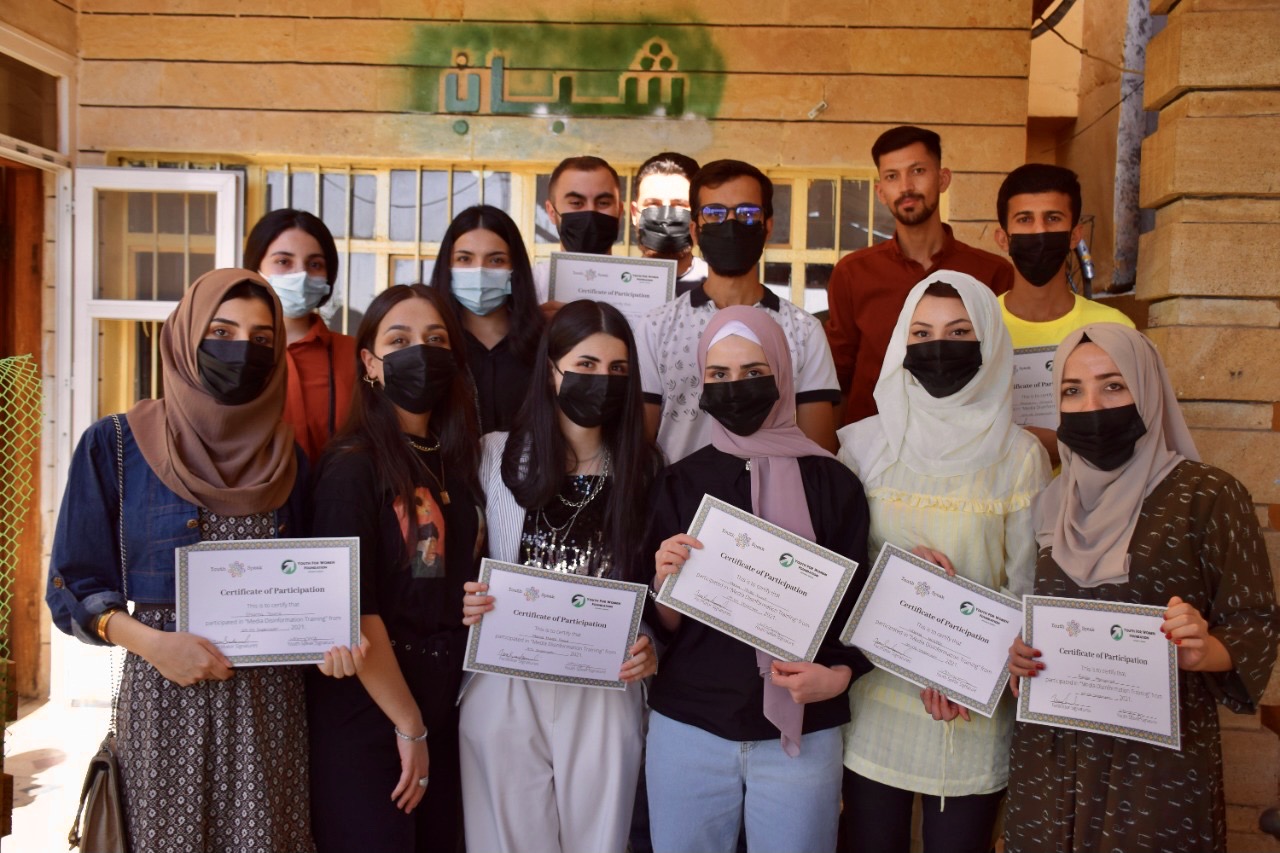
Those youth-led campaigns reached thousands of people — including refugees, students, parents – equipping them with tools to navigate the digital storm.
That ripple began with one older ally choosing to trust a younger leader. One moment of belief turned into a chain reaction of change. And that’s what intergenerational kindness looks like — not symbolic gestures, but doors quietly opening when someone says, I see your idea. Let’s scale it together.
What Kindness in Partnerships Has Taught Me
If I had to distill everything I’ve learned through those campaigns, it would be this:
Youth leadership without older allies rarely survives. Adults are not our opponents — they are bridges into rooms we can’t yet enter.
Partnerships must be mutual. Youth bring proximity, courage, and creativity. Adults bring networks, structure, and experience. When both sides meet with respect, real transformation follows.
Systems need redesigning. If young people can only make progress by borrowing credibility, then our institutions are broken. The future depends on creating systems where young professionals are recognized as equals, not “the next generation.”
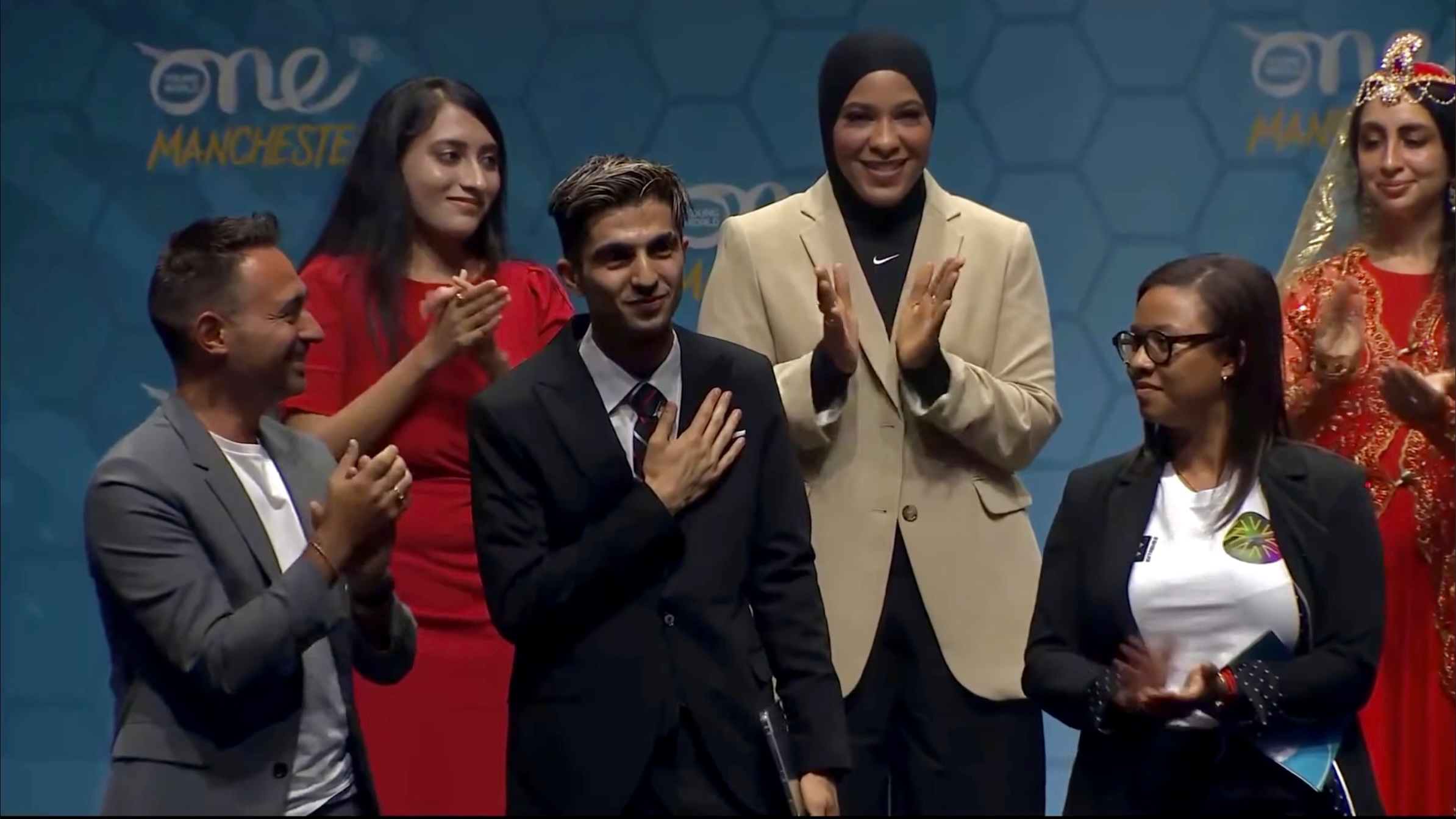
Where Kindness Leads Us
For me, kindness is no longer an emotion — it’s a method. It’s how we build trust where there’s fear, collaboration where there’s hierarchy, and healing where there’s harm.
The challenges ahead – from climate to conflict to mental health – are too vast for one generation to solve alone. We need each other. We need shared courage, shared power, and shared kindness.
So my personal commitment is this: I will keep rejecting the label of youth and keep advocating for full recognition of young professionals as equal partners in change.
Because when generations meet not in competition but in collaboration – when young people and adults choose to co-lead instead of co-exist — that’s when kindness stops being an act of charity and becomes a form of justice.
And that’s the kind of kindness that can heal a world like ours.