

In 2024, when the robotics program at my high school was twice slated to be cut, I did not wait for someone to save it. Even on the team I never felt I belonged, and I knew what it was to want into STEM and feel shut out of the room. So I built the way for myself. Everything I have made since has followed one instinct: find the gap, close it, and give it away free.
“I started MIS because I couldn’t find the community I needed. So I built one where no student would be turned away.”
The gap I set out to close is not a shortage of talent but a shortage of access. Capable young people are steered away from science and technology long before they learn whether they are any good at it, not for lack of ability but for lack of exposure, a mentor, equipment, or the simple sense that people like them do this work. I had watched it up close: for many of my peers, that robotics program was the first place they had ever been handed an unsolved problem and trusted to work through it. If access was that fragile in a well-resourced school, it was far more fragile everywhere the resources were thinner.
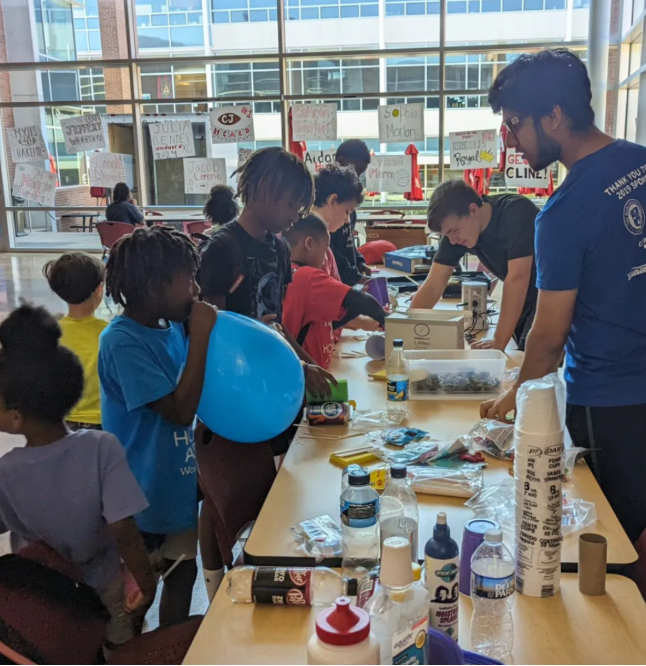
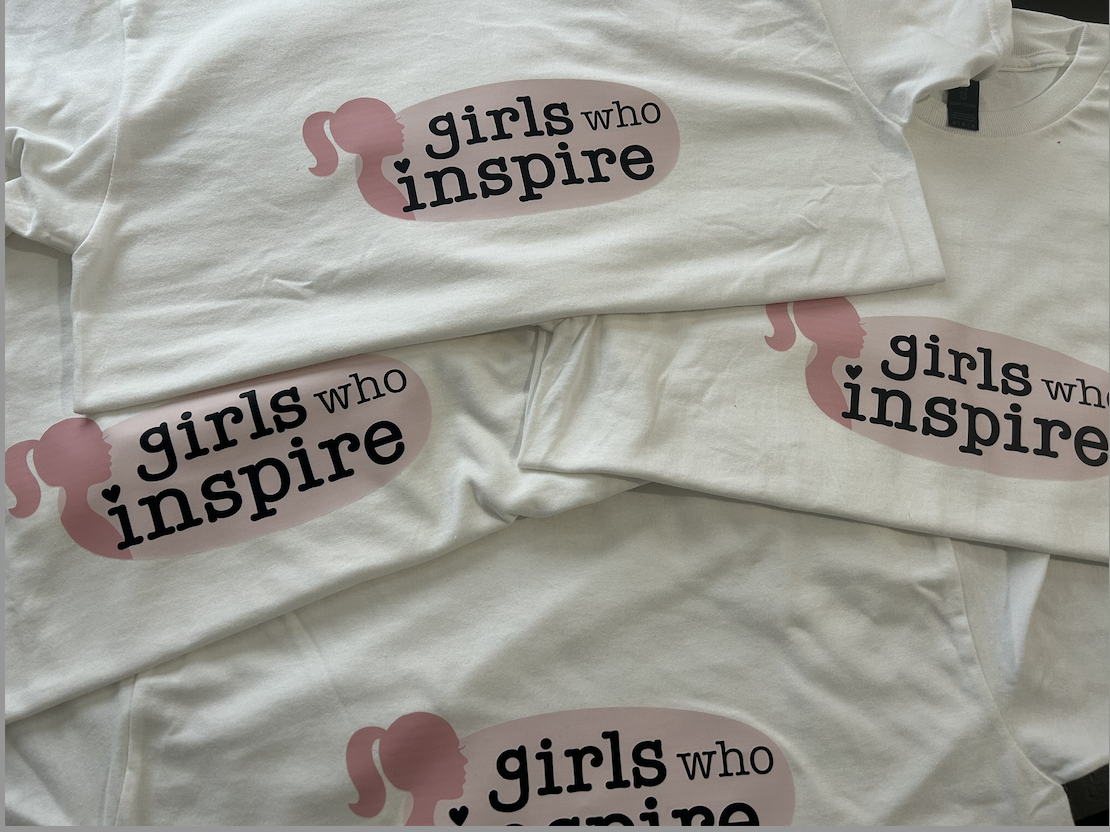
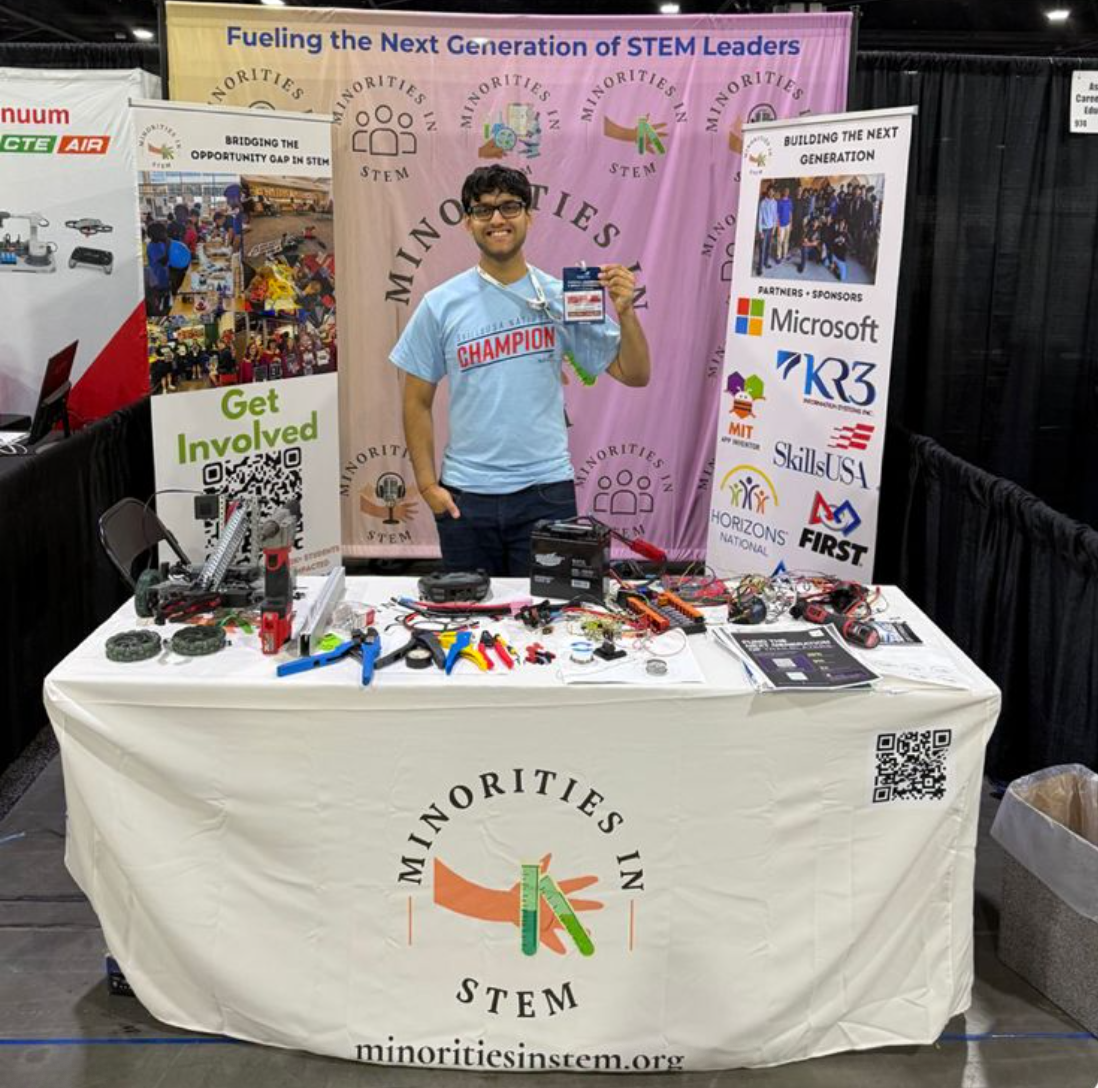
My answer was Minorities in STEM (MIS), which I founded and still direct. What began as one student saving a robotics team is now a youth-led network reaching 250,000+ students, powered by 300+ volunteers across 40+ MIS chapters and 70+ Horizons chapters in over 40 countries and six continents. Every program is free, and every one is run by young people, so the mentors are often only a few years older than the students they serve, close enough to remember what it felt like to be shut out and close enough to be believed when they say it can be otherwise. MIS partners with FIRST Robotics, SkillsUSA, MIT App Inventor, and Major League Hacking, and has carried its work to the FIRST World Championship in Houston, a stage I know firsthand: my own team qualified for it after winning FIRST’s Engineering Inspiration Award. At that championship, MIS also brought #FlyerFly, a grassroots campaign I started that encourages students to post flyers about the causes they care about, at school or in public, on the conviction that a cause needs no budget or platform to spread, only someone willing to put it on a wall. MIS is projected to reach 5 million students by summer’s end.
I code and ship largely on my own, so the distance between an idea and a working product is unusually short. As AI and Intern Department Head at enterprise IT firm KR3, I have built a run of tools: Avants AI, a free community resume tool that also sources candidates for clients like Equifax and Tech Mahindra; a laptop-tracking system; and a cyber-defense command platform. Independently I built nitjam.com, powering NIT Jamshedpur’s 17,000+ alumni network, and Upgive, which routes surplus corporate goods to the nonprofits that need them. Different domains, one through-line: talent and resources are everywhere, access is not, and someone has to build the connection, then hand it over free.
Increasingly, that work runs through Microsoft. I am a developer on the Microsoft × IISD i-Pledge Carbon Impact Platform, a carbon-tracking tool built with the Indian Institute of Sustainable Development, and I was invited to present Avants AI at Microsoft’s World Youth Skills Day, a UN-designated international observance.
Beneath all of it is a habit of noticing overlooked effort and potential: the student in the back of the room who is never called on, the good idea that never found a wall to hang on. Much of what I build is an attempt to turn that instinct into infrastructure, and to keep every piece of it free, so that access, not money, decides who gets to try. It is a rare model: a teenager running a global organization and a stack of working software, and charging no one for any of it. I am doing all of this as a rising senior at Woodward Academy in Atlanta. Ask me what I am proudest of, and it is not the numbers, but that a student somewhere I may never see now has the room I once went looking for and could not find.