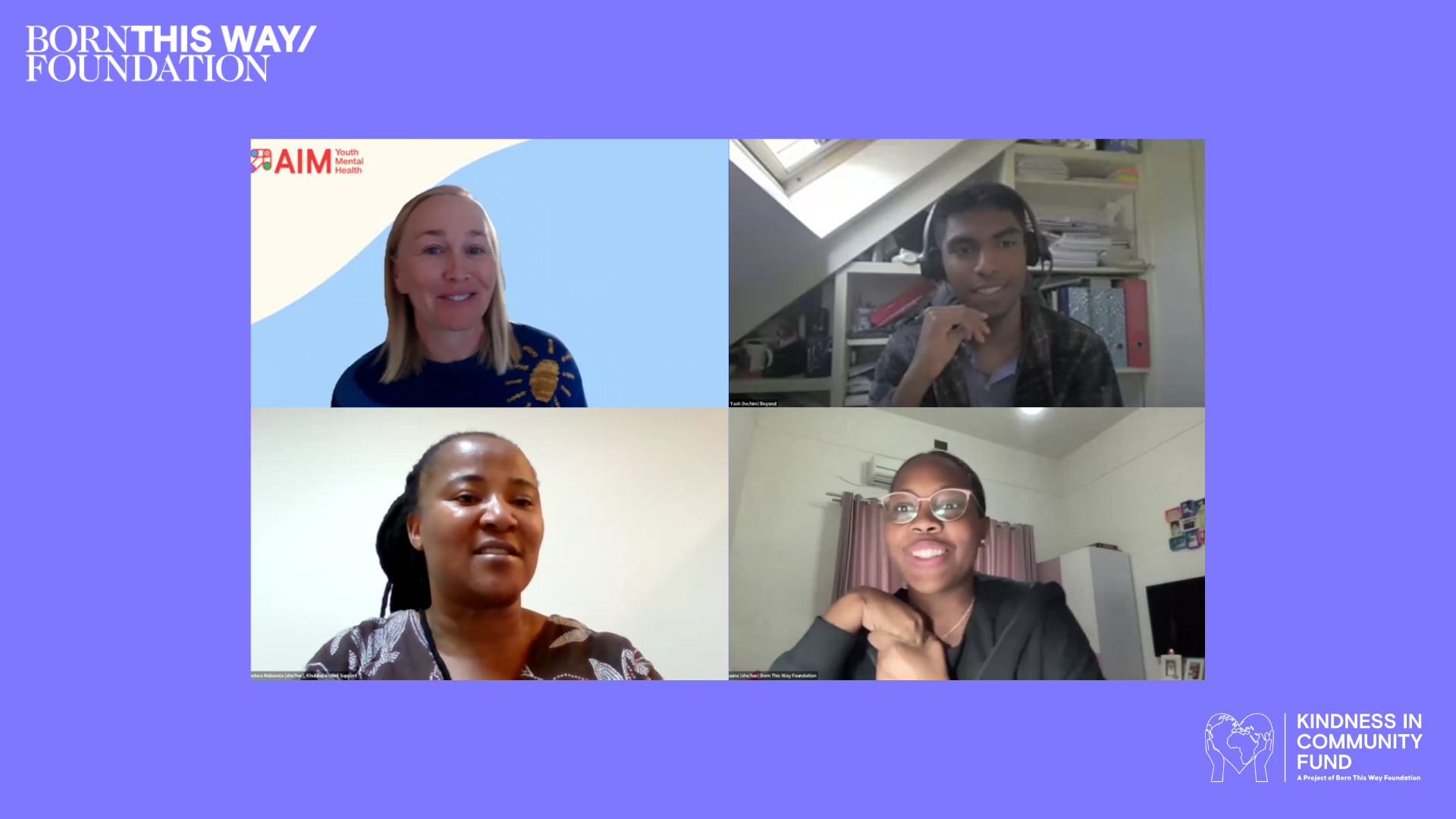



In the world of youth-focused changemaking, education never stops—especially for the organizations that are part of the Kindness in Community Fund. This July, Kindness in Community Fund members gathered for a Global Peer Learning to hear from three of their fellow organizations at the forefront of supporting youth mental health while adding their own perspectives to the conversation.
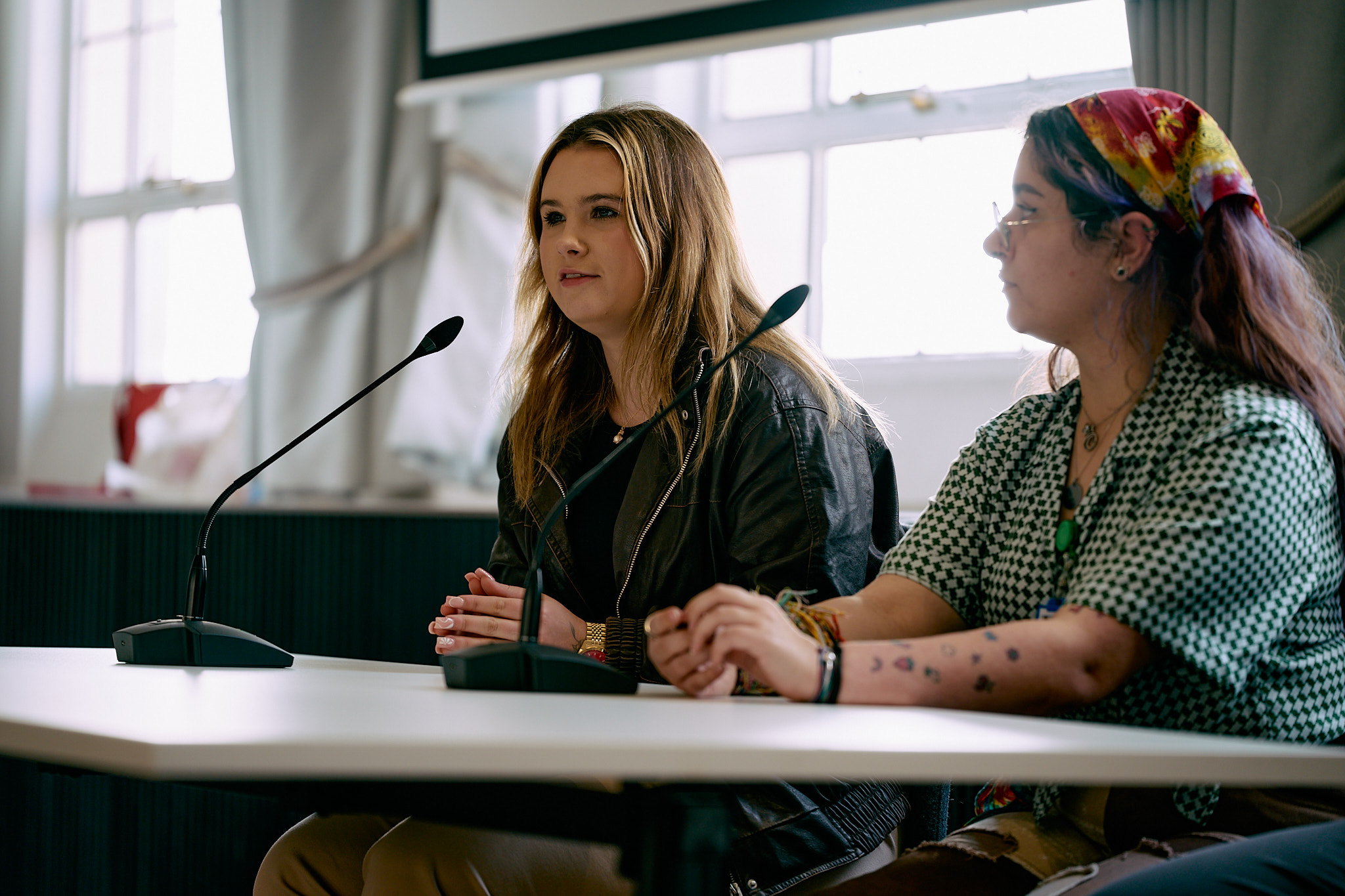
I attended this event as a Communications Intern for Born This Way Foundation and had the privilege of listening to Jonathan of COR, Rita of The Brent Centre for Young People, and Fernanda of Casa 1 as they talked to Youth Advisory Board member and moderator Claire. After the panel, participants were split into breakout groups to discuss their key takeaways from youth mental health. As I listened to the Kindness in Community Fund organizations—hailing from various countries, from the US to the UK to Brazil, three key themes emerged:
1) Young people need proper support and resources to thrive.
At the beginning of the group panel, Claire asked the panelists about the challenges and progress they had made as organizations. In the face of the tangible challenges of youth mental health struggles, young people in toxic relationships, and a lack of proper youth-centered space, the three organizations on the panel shared how they were supporting the young people in their respective communities.
Jon shared how COR offers day-to-day support for students, ensuring that their wellbeing is accounted for by trained volunteers. Fernanda described educating young adults at the shelter to prioritize safety in relationships while supporting their searches for work and housing to promote autonomy. On the subject of building spaces for youth, Rita discussed the importance of creating space for young people to connect with one another and receive support outside of the world of screens, where teens are often confined due to lack of supportive in-person spaces.
Across all organizations, a common thread emerged: to build a world where young people thrive, we must first build the support systems and spaces to empower their growth with them.
2) Youth support resources are constantly adapting.
At the close of the panel, Claire asked each of the organizations how they envisioned their work evolving.
Rita’s response pinpointed that the work youth-supporting organizations do is oftentimes trailblazing. “We started working in schools 25 years ago, when no therapists were [there]. Now it’s considered standard in the UK to try and get therapists into your schools…Amongst all the challenges, I see great hope for the possibility of ongoing development,” she said, going on to highlight the contributions of The Brent Centre’s Youth Panel in shaping new programming for the center.
As Jon and Fernanda discussed their work in increasing community support and resources—specifically in the context of building healthier, more accessible communities, Rita’s message rang true. With every new action that youth-supporting organizations take, they move us all closer to a kinder future.
3) Impact moves beyond just the numbers.
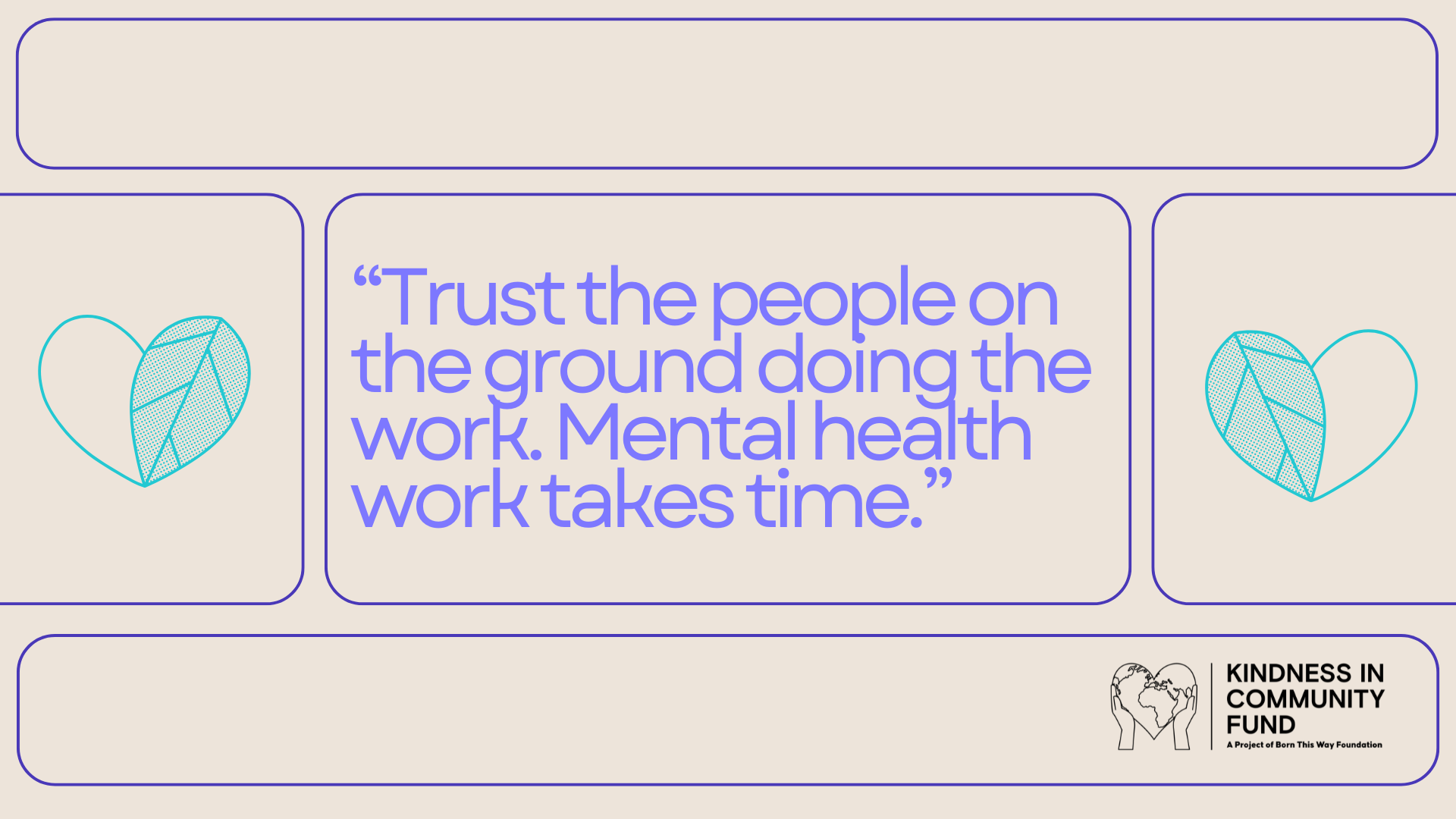
After the panel concluded, Kindness in Community Fund organizations were split into breakout groups to discuss their approaches to and perspective on their work. Across groups, when asked what they wished partners understood about their work, the representatives emphasized the need to consider qualitative impact alongside quantitative impact. “Trust the people on the ground doing the work,” one representative shared. “Mental health work takes time. Instead of focusing on numbers, focus on qualitative evidence.”
When sharing out from breakout groups, representatives noted that metrics of success must factor in the various and nuanced approaches of each individual organization. Because each organization’s approach to supporting youth varies, taking a holistic approach to understanding the services provided to young people is critical to understanding their true impact on young people. Considering factors like depth of focus, setting (virtual versus in-person), and the unique stories of young people served can paint a fuller, more vivid picture of an organization’s work.
Later, after the convening, I had the opportunity to hear directly from Claire. “Something that really resonated with me is how even in their very different settings, these organisations are building in-person communities for the youth. Young people still need safe spaces – places where they can feel seen and heard and are given the right tools they need to not just survive but thrive,” she said when asked about the panel.
Reflecting further, she emphasized the importance of the peer learning taking place with the Kindness in Community Fund. “I’m really happy that I’ve been able to even play a small part in continuing the work for young people to be safe as a Youth Advisory Board member. There’s still much more to be done, but after speaking with Jonathon, Rita and Fernanda, I know that we’re investing in a safe future for our young people. The final message their words brought to me was one of hope and that when the right people and organisations work and learn together, we can improve youth mental health for all.”