

As I sat at a park, I witnessed an elderly woman and her visibly pregnant daughter sitting together on a bench. In a matter of a few seconds, however, the woman’s demeanor towards her daughter changed. She began to regard her daughter as a complete stranger, like the face in front of her held no information she recognized.
I didn’t see if the daughter was screaming or crying. All I could see was that she had been sitting there quietly. I have no idea whether she had seen this before or whether it made things worse for her. I was only 14 years old, but I felt like I had witnessed something that I wasn’t supposed to see…a private erasure happening in the middle of an afternoon.
I couldn’t stop thinking about it. Not just about that woman or her daughter or the baby who would grow up with a grandmother who would never know her name. I thought about how often that scene played out every single day in all of the different places on our planet. While everyone else was living their lives, there were millions of people in hospitals, parks, homes, and other locations, each of them having to deal with the loss of someone they loved. And the worst part is that it’s not a physical loss of their presence, it’s the loss of everything that made them them and then letting them go.
That’s why I started Memory Matters at 15. Not with the goal of raising awareness for Alzheimer’s disease, but as a means of doing something tangible for the people that have been forgotten in conversations that move at a pace that is far too slow for anyone involved.
Dementia affects over 55 million people worldwide and is one of the leading causes of death in older adults. The people who don’t appear in these statistics are the teenagers sitting across the dinner table from their grandparents as they slowly lose their memories, unable to grasp what’s happening. Nobody teaches them how to deal with this situation; nobody informs them about the fact that dementia starts in the brain of the individual twenty years prior to the onset of any symptoms. Nobody tells them that the isolation from society that comes as a result of being forgotten can lead to accelerated cognitive decline of the brain’s ability to remember.
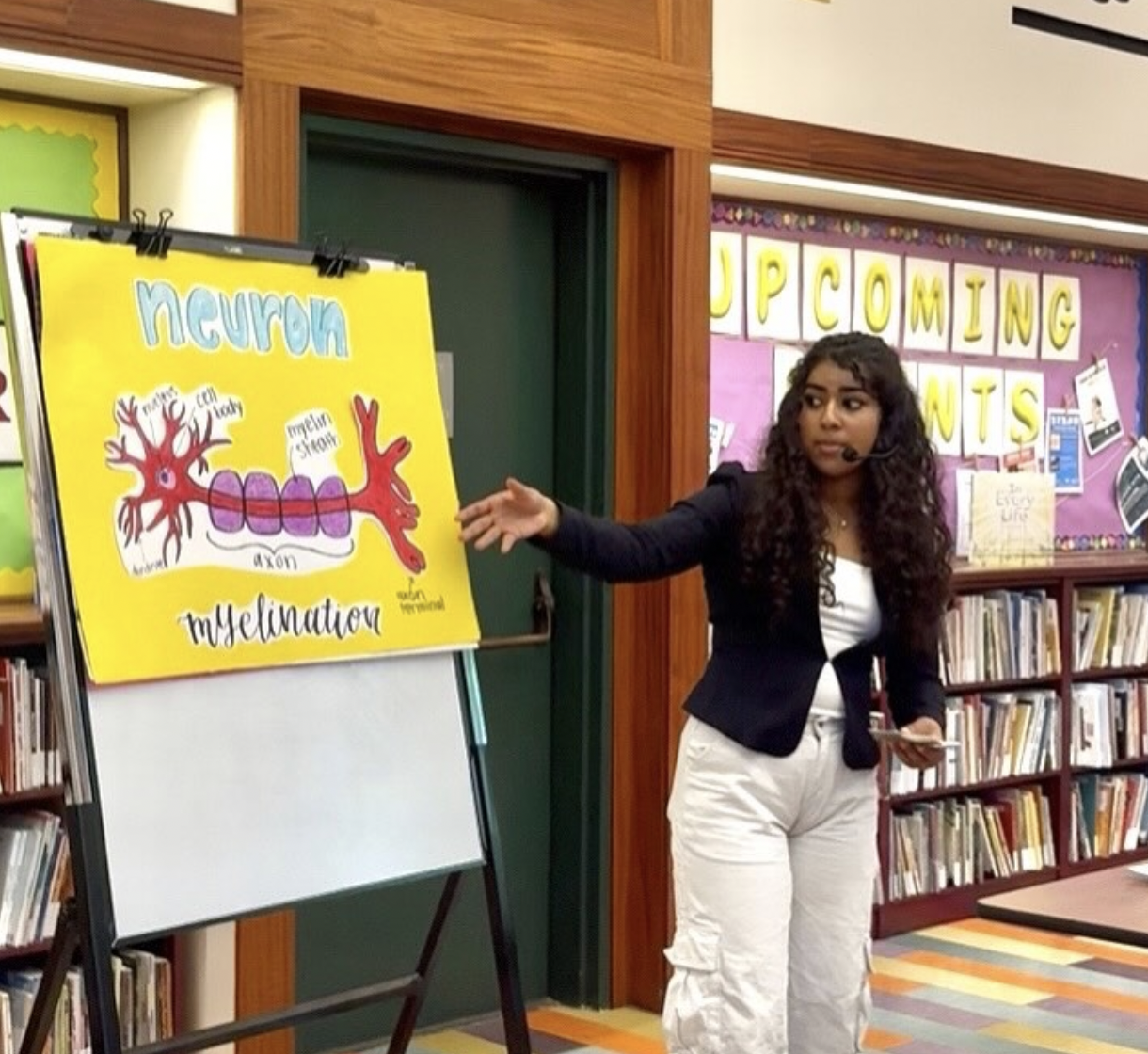
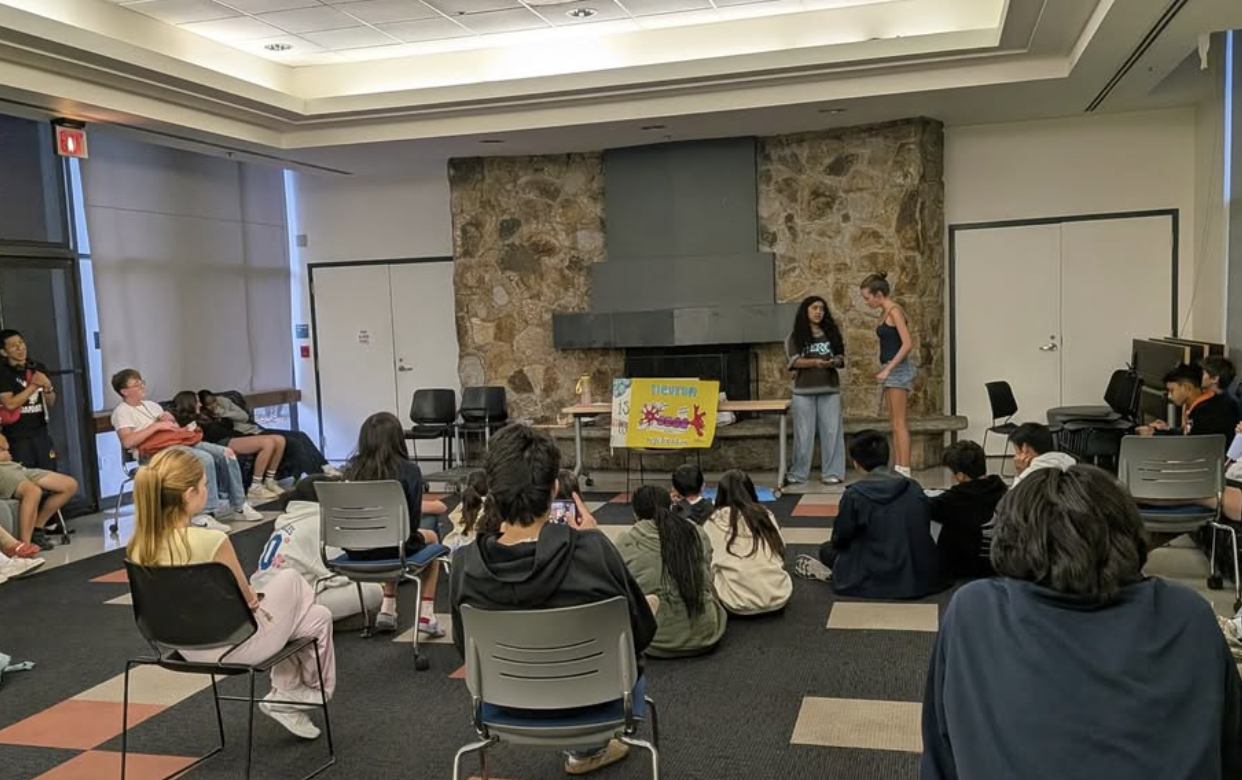
Memory Matters started with that idea. I wanted to build something that would be built by and for the generation that would have to deal with the dementia epidemic in the coming years. A global network of young people who believed that the teenagers of today were not too young to help combat a disease that would impact them for the rest of their lives.
In the 1.5 years since we launched Memory Matters, we’ve grown to a community that spans 40 different countries around the world. Our memory organization has started school chapters and published research on the topic of memory, reaching 165,000 people, but one of the projects that I am most proud of is something that doesn’t live online.
We write letters.
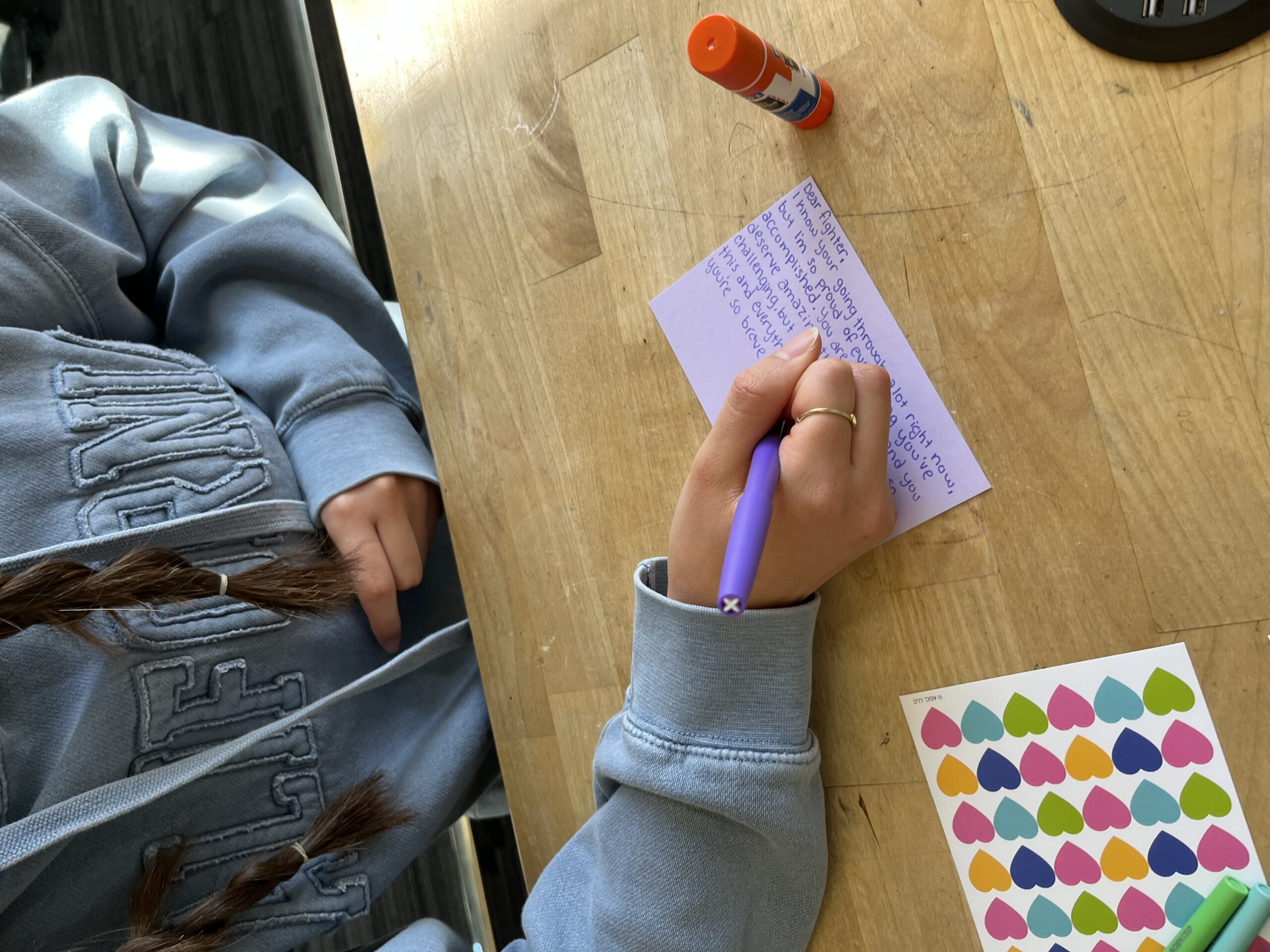
Not email. Physical, handwritten letters are sent to older adults with dementia who reside in memory care facilities. Few of these people receive regular visits from friends and family; most do not. However, since starting the organization, over 1,600 letters have been written to these people by members of the group, as well as students as young as 9 years old. Each letter written expresses that they mattered, that they were remembered, that someone on the other side of the country was thinking about them.
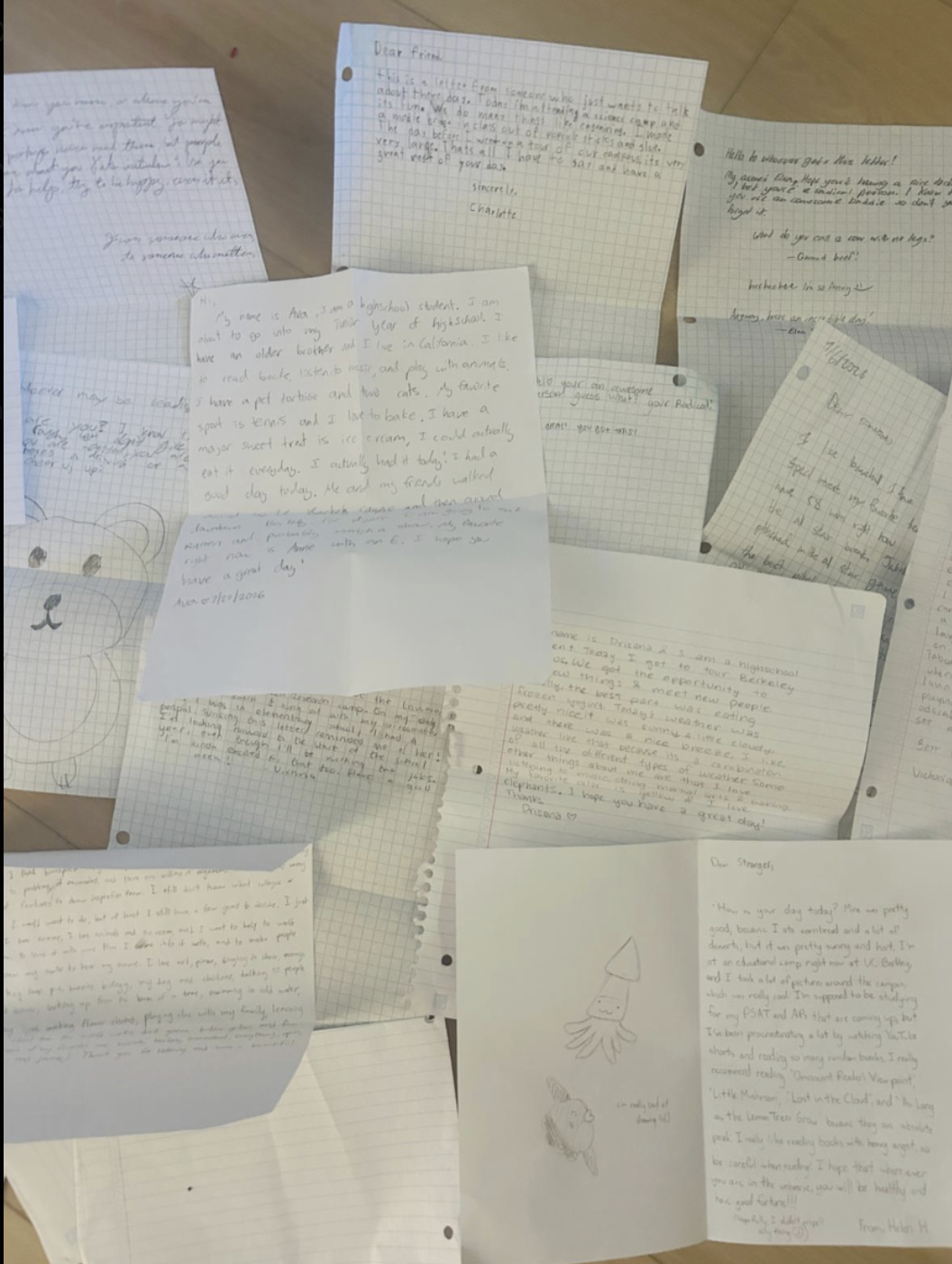
Research has shown that meaningful contact with others can help to slow the progression of mental decline. We knew that when we started. What we didn’t know was how touching it would be to hold one of the letters from one of these students. The letter is written by a 16-year-old girl to her 83-year-old grandmother who she had never met before, yet she wrote a letter that expressed both care and honesty towards her. This is perhaps the most human thing that Memory Matters does for its participants, and it costs almost nothing except time.
The work isn’t finished yet. We’re still building towards more chapters in the lives of those who live with dementia, more letters to help bridge the gap between generations who fear the illness versus those who are already living with it. We aim for the day when a teenager can see the effects of dementia on someone they love before that loved one gets the illness.
I started Memory Matters because I couldn’t sit with the feeling of helplessness. I’m still not very good at sitting with feelings of helplessness. However, I have learned that the distance between feeling helpless and taking action is usually much smaller than it appears. Often, all it takes is the realization that you are capable of performing some task on your own, rather than relying upon someone else.
We didn’t wait. Neither should you.