

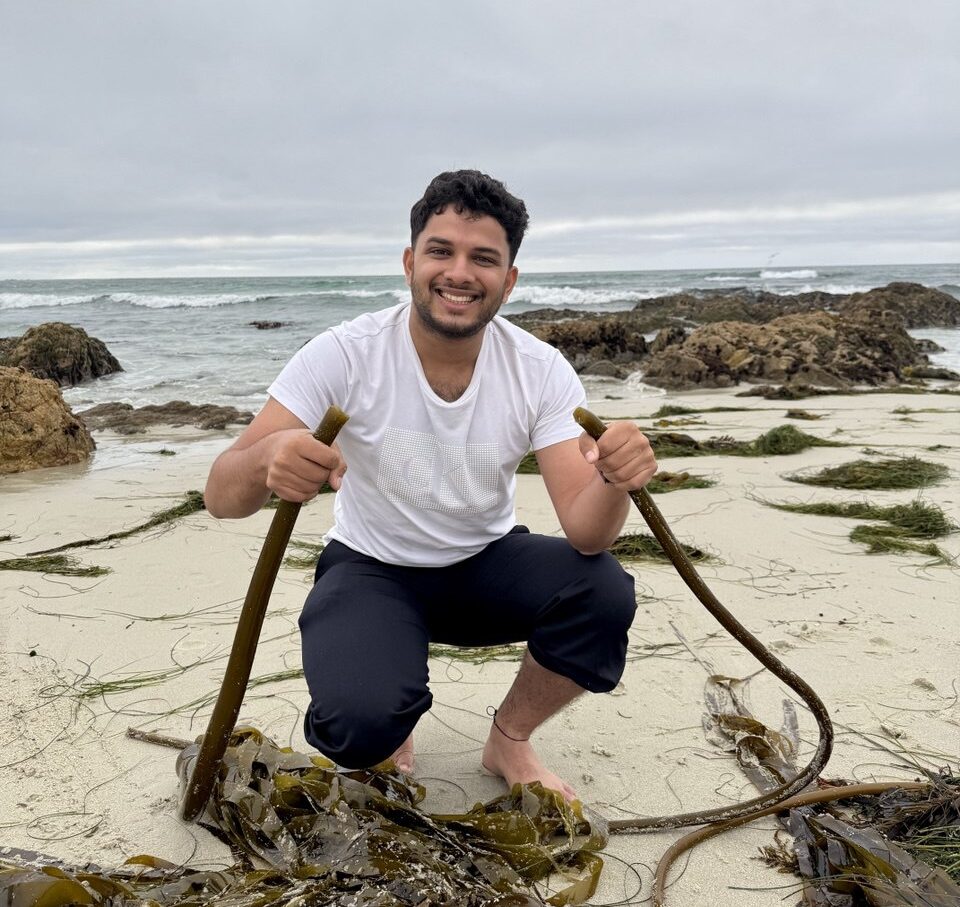
Let’s get one thing straight — I have never been the type of person who can just chill. Sitting still feels like a personal attack, and my brain has a bad habit of running at 100 mph even when nothing is happening. For most of my life, the one thing that has brought me peace has been the ocean, and it has been a constant. I’ve always lived near it, and in many ways, it’s been my greatest source of joy. But it’s also been the root of my biggest anxieties.
As a kid, I loved the beach, not in a ‘let’s build sandcastles’ way, but in a ‘this is where I feel most collected’ kind of way. I would spend hours collecting shells, driftwood, and tiny corals, imagining the ocean was leaving me little gifts. But as I grew older, those gifts changed. The shells gave way to bottle caps, the coral to plastic spoons, and the driftwood pieces were replaced by knotted fishing nets. The beach looked less like a place of return and more like a graveyard of human neglect.
That’s when it began, the quiet panic that I now know has a name: Eco-anxiety. [noun] The constant stress of knowing the planet is in crisis and feeling powerless to stop it.
Turning Anxiety into Art
Eco-anxiety isn’t dramatic. It’s the persistent unease of knowing things are getting worse while feeling powerless to stop it. For me, it started small, a question that wouldn’t leave: will my local beaches ever recover from what we are doing to them?
I didn’t know what to do with that fear, so I started small. I picked up the plastic I found on the shore. It began as a cleanup, but soon started turning into creative experimentation where waste was turned into art — fish sculpted out of bottle caps, whales made of wire and sea glass and poems that read like letters to a vanishing world.
Art gave me a sense of control. I couldn’t fix the ocean, but I could give meaning to what it was losing.
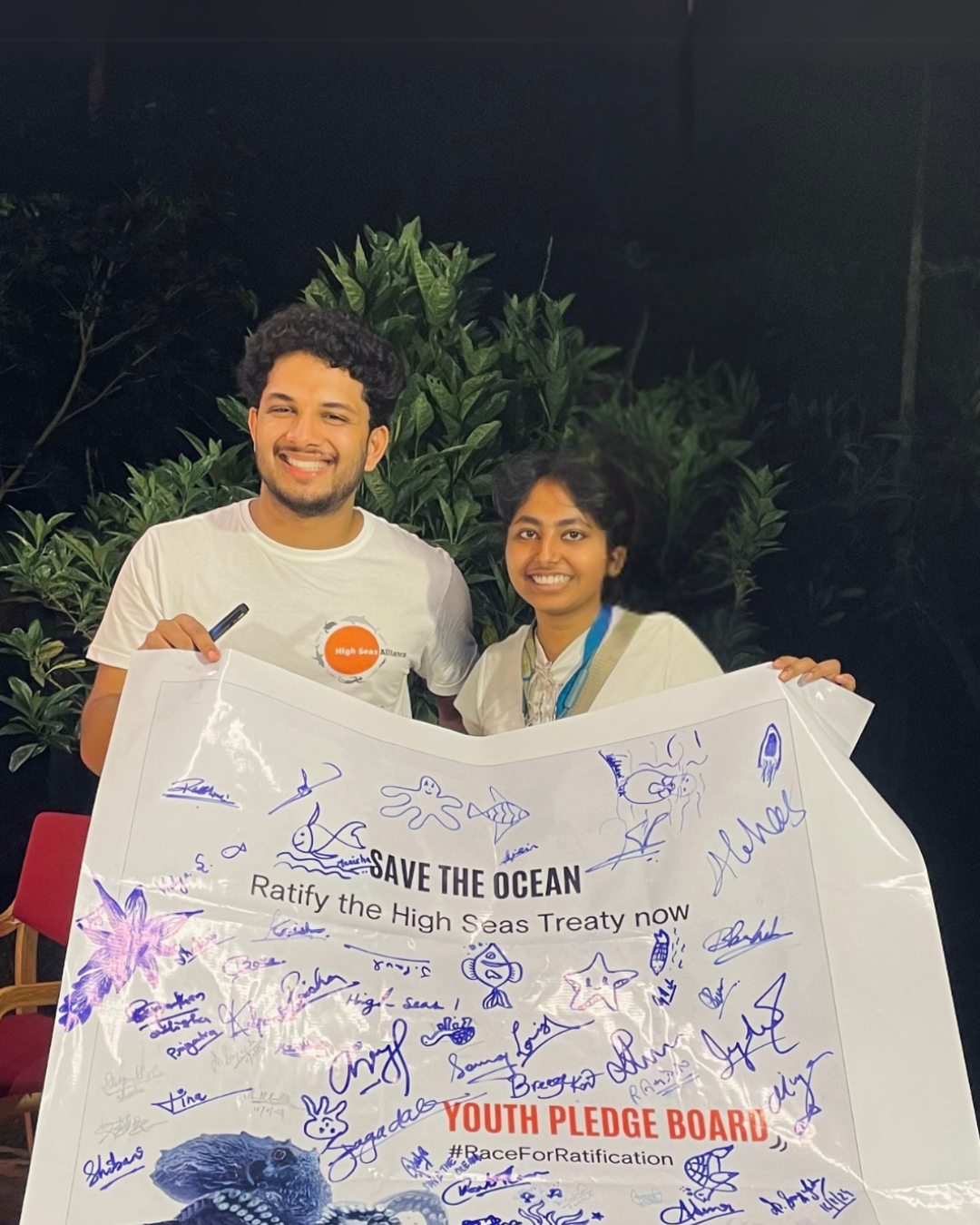
Failing (A Lot) Before Finding My Place
Some years later, someone told me about Bow Seat’s Ocean Awareness Contest and said I should enter. I did and failed. Then I tried again. And failed again. It took a few more tries, but eventually I found my place, not as a winner, but as part of Bow Seat’s Future Blue Youth Council. That changed everything.
At Bow Seat, I met mentors like Linda Cabot who shaped how I see environmental communication. Linda helped me realise that my love for the ocean wasn’t only about
conservation but largely about communication. Most people care about climate change, but many don’t realise how deeply the ocean underpins that story. The ocean absorbs more
than 90% of excess heat caused by greenhouse gases, captures a quarter of global carbon emissions, and generates over half the oxygen we breathe. Yet, it remains a footnote in
climate discussions.
Understanding this was my turning point. I realised I didn’t just want to save the ocean. I wanted to make people see it.
Talking About It (Even When It Feels Exhausting)
Talking about the ocean became my passion. Through the World Ocean Day Youth Advisory Council and a few other internships, I began focusing on ocean–climate communication, and translating science into stories people could care about.
But advocacy can be heavy. The more I learned and researched, the harder it became to stay hopeful. I started to feel the same old anxiety creeping back in, only this time, it wasn’t just about plastic or pollution. It was burnout, despair, and the quiet fear that my words were being lost in the noise. So, I went back to where I started — to art. Art became my way of coping. I began creating again, doodling, painting and writing. Two of my art characters, Lily and Lulu, emerged from this period. They were simple sketches, half-hopeful and half-heartbroken, but they helped me say what I couldn’t otherwise express. Because art that way can be incredibly powerful at communicating.
The Ocean Is My Therapist (And I’ll Never Stop Talking About It)
I have always wondered what it is between humans and the environment that bring them so close, and somewhere along the way between being a stressor and stressing over
conservation, I found my answer. The ocean brought me peace, the waves reminded me to breathe when I was overwhelmed. And it also made me feel heard in ways silence couldn’t.
So, its pollution, in a way, felt like a natural scratch on our connection.
Working in conservation, in a way, helped me reclaim and rebuild our relationship in a new sense. It’s where I now find more hope and calm than ever before. Maybe that’s what eco- anxiety has been trying to teach me all along — that caring deeply will always hurt a little.
Healing isn’t about pretending the world isn’t burning; it’s about finding calm within the chaos, like the ocean does after every storm. For me, art and the ocean became my ways of processing that care instead of being crushed by it. Now, when I sit by the shore, I no longer see only loss. I see rhythm, the waves retreating and returning, just like breath. The ocean reminds me that healing is cyclical, not linear. Some days, I paint. Some days, I rest. But every day, I choose connection over collapse.
Because caring for the planet also means caring for yourself. And when I remember that, the ocean doesn’t just feel like something I need to save, it feels like something that saves me too.