

“Feminine hygiene products.” “That time of the month.” “Aunt flow.”
By the time I sat through my first health class on the menstrual cycle, I had already heard more euphemisms for periods than actual facts about them. The lesson itself lasted for about 15 minutes, sandwiched between a unit on stress management and one on nutrition. No one explained why some of my classmates missed school curled up in pain while others breezed through the week unaffected. We were handed a diagram of the reproductive system and told, essentially, to figure out the rest on our own.
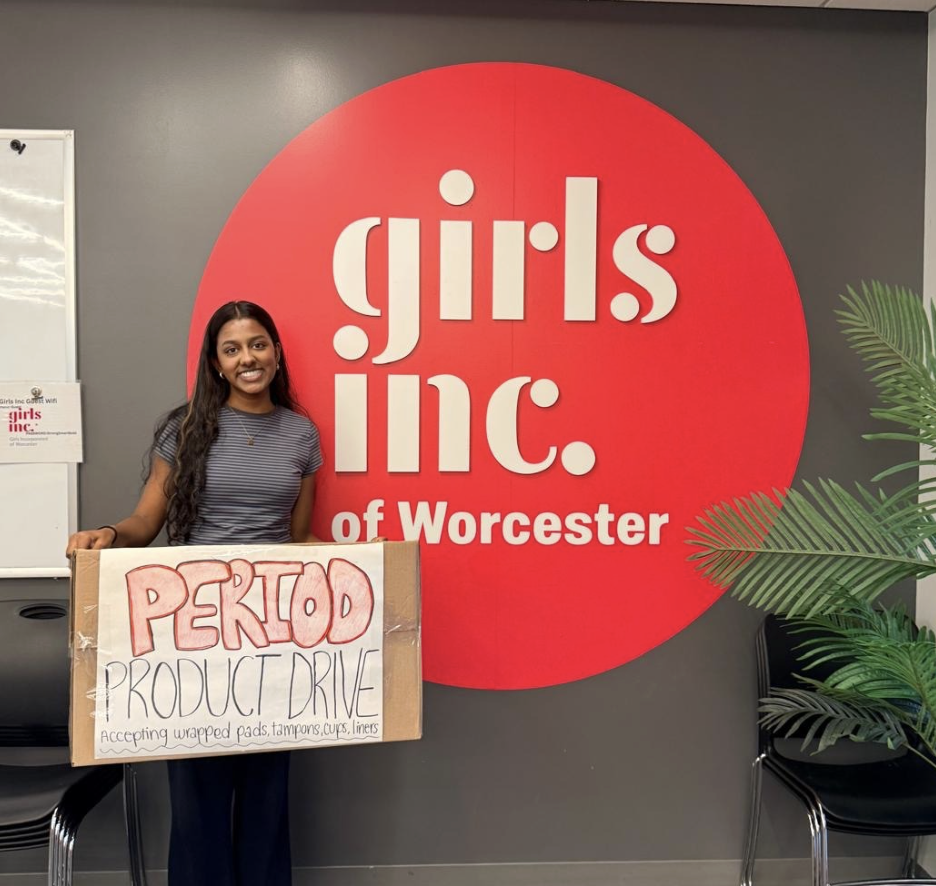
I witnessed the stigmatization and ignorance of women’s health in my everyday life as well. After completing a science fair project that tested the effectiveness of various biodegradable materials to be used in a menstrual pad, classmates avoided asking questions about my project, to avoid any potentially awkward conversations about menstruation. I learned that most of my friends didn’t even know about conditions like endometriosis, despite it affecting 1 out of every 10 women, and symptoms commonly emerging in the teenage years. My health class skimmed over the menstrual cycle, dismissing severe pain as “normal PMS” and failing to explain how to manage symptoms. The stigma and shame about female bodies truly existed everywhere I looked.
When conversations about women’s health are avoided altogether, it sets girls up for a lifetime of confusion about their own bodies. Women are expected to quietly endure pain and ignore signs from their own body, making it impossible to distinguish normal from irregular. Whether it’s extremely late diagnoses for female-specific health conditions or the lack of technologies to treat them, women are ultimately burdened with the responsibility of having to work twice as hard to succeed while simultaneously facing unbearable pain from conditions that are simply under researched. The same stigmatization that prevents conversations about periods is the same stigmatization that prevents holistic conversations about women’s health.
To address this, I started the Closing The Gap podcast to interview menstrual equity nonprofits, women’s health advocates, researchers, policymakers, and patients. The ultimate goal was to spark conversations about the hardships that women face in the medical space, while at the same time highlighting the change makers who are working to create a difference.
Through podcast episodes with leading organizations in the space, like the Women’s Health Project based in Australia, Days For Girls International, and the Society for Women’s Health Research, I learned about how a future where young girls are educated about their bodies is possible, with enough people fighting to create it. I was inspired by episodes with patients like Amanda Berg, Zoe Armstrong, and Nicole Notar: women who have not only fought battles with endometriosis, but are also relentlessly working to bring awareness about it.
To any young person reading this, if you have ever felt like your voice was too small to make a difference, I hope you know that you do not need to be an expert, a doctor, or a policymaker to start a conversation. Sometimes change begins with something as simple as asking a question others were too afraid to ask.
Through Closing The Gap, I have met people who have transformed their own experiences into action. Their stories have reminded me that progress is rarely created by one person working alone. It is built by countless people who decide that something should be different and then find the courage to say so.
I hope that one day, a young girl experiencing her first period will not be taught to feel ashamed of her body. I hope she will be surrounded by people who answer her questions openly and believe her when she says something is wrong. Until then, I will keep asking questions, starting conversations, and making space for stories that deserve to be heard.