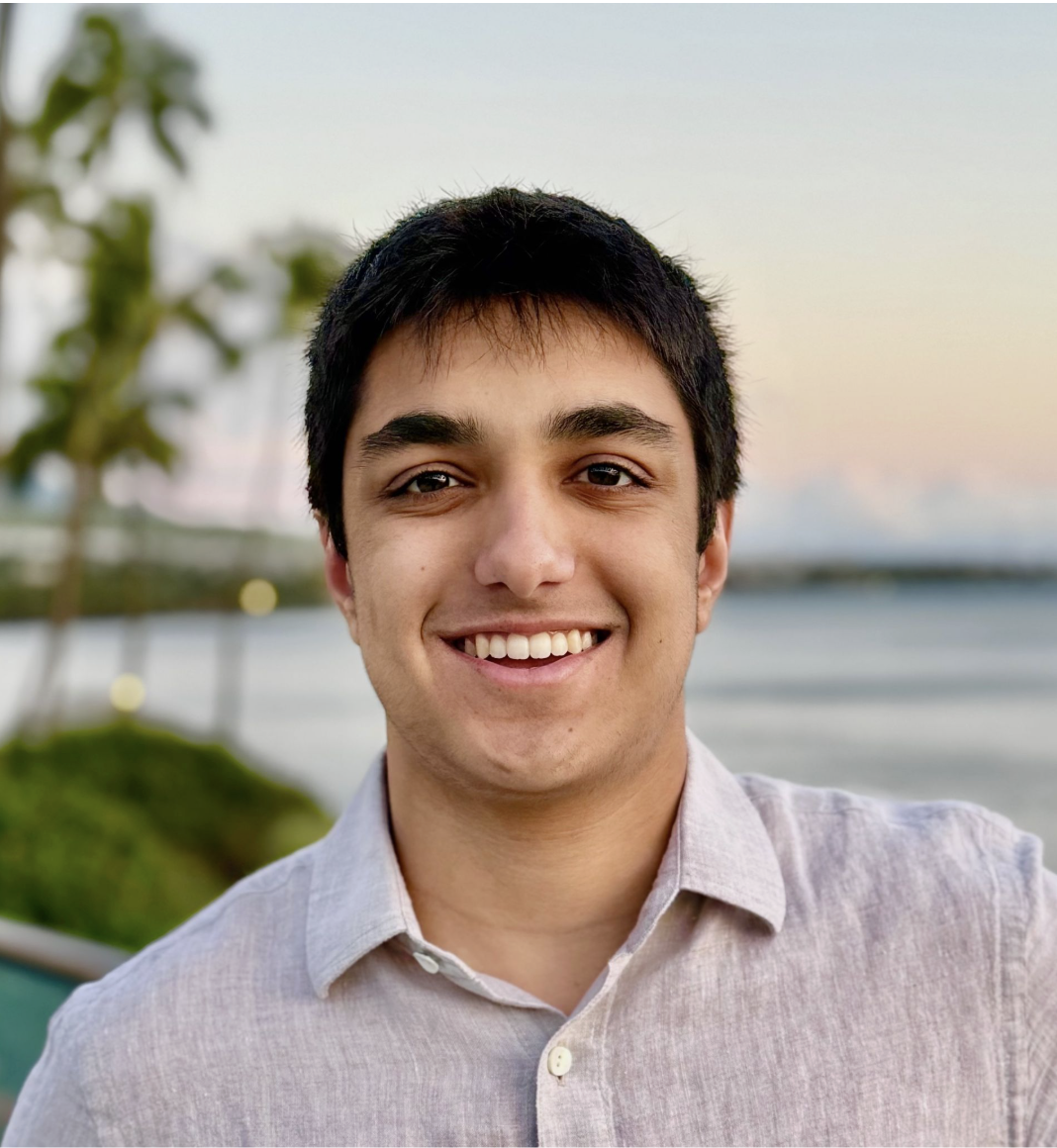


I’ve spent most of my childhood surrounded by choral music. Singing with the multi-cultural Young People’s Chorus of New York City for the past six years and performing alongside choirs from all over the world at the World Choir Games in Auckland, New Zealand, has shown me how music works as a universal language. It’s one of the few things that can actually build a bridge between people from totally different cultures and generations.
However, I started noticing that the music we make isn’t always accessible to everyone, especially the elderly. Whether it’s because they can’t physically get to a concert hall or they just don’t have the resources, a lot of seniors are left out. At the same time, we’re hearing more and more about the “loneliness pandemic,” which is a huge crisis for both teenagers and seniors. I started wondering: how can we take this high-level music and bring it to the people who actually need it most?
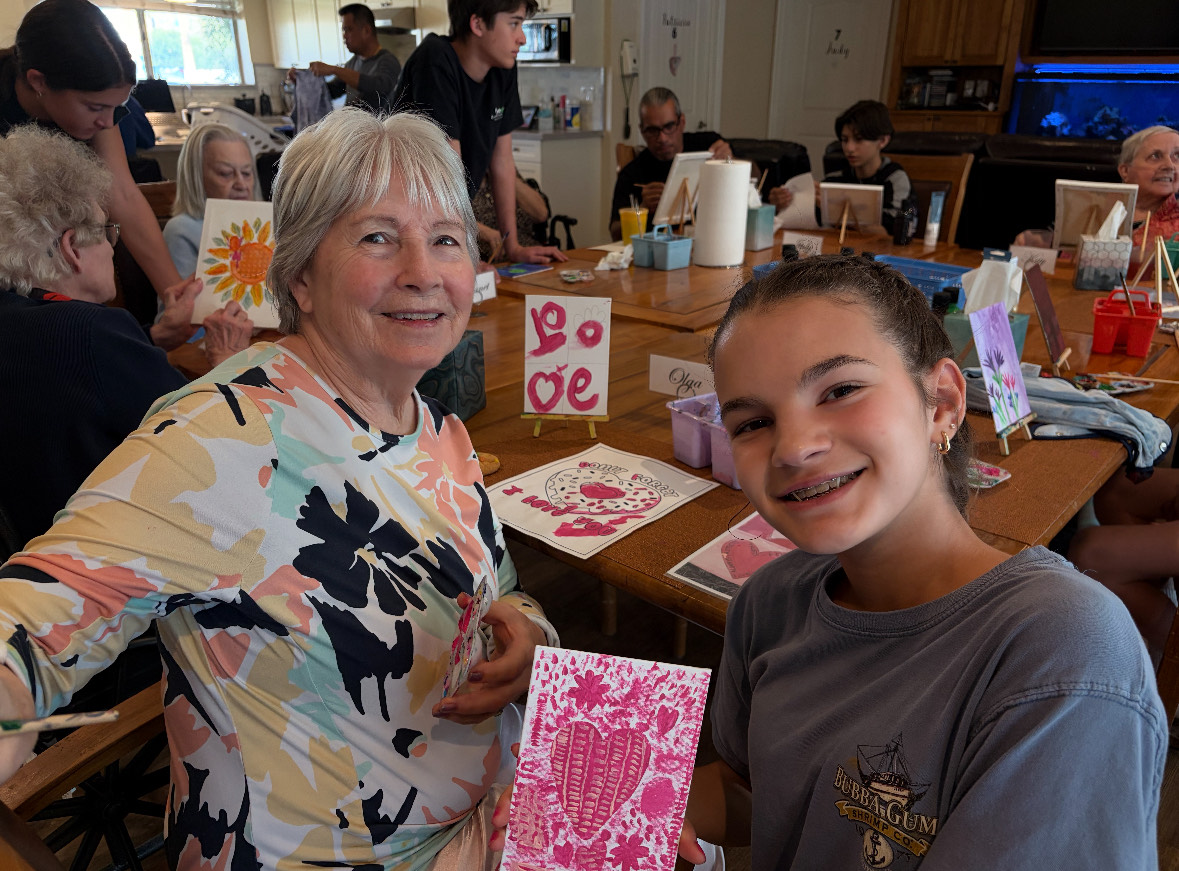
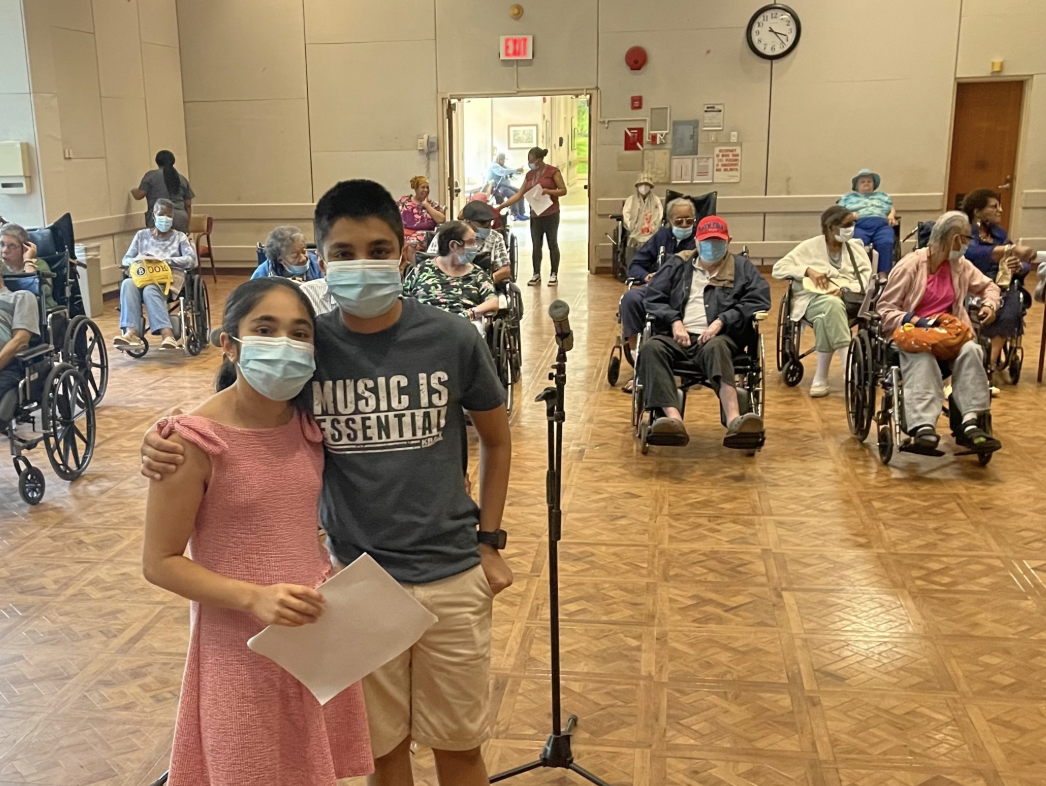
That question is why I started Young People Care. I had been singing at nursing homes with my younger sister since a very young age, and I officially founded Young People Care a year ago as a community service initiative at the Young People’s Chorus of New York City. The mission is straightforward: make music more accessible to marginalized groups, especially the elderly, by bringing small groups of choristers directly into elder care facilities across the city. I wanted to take the contagious energy from our concerts at venues such as Lincoln Center and Carnegie Hall and bring it in smaller groups directly to people in elder care facilities.
During our first few visits, I saw something I didn’t expect. Residents who were just sitting quietly in the back would start tapping their fingers to the beat. Some of them even started humming along to songs they probably hadn’t heard in decades. I specifically remember one visit to a memory-care unit in Harlem, where around 50 residents sat before us in their wheelchairs. When we walked in, the room felt hushed. There was a TV playing Jeopardy in the corner, but nobody was watching. Then we started singing “Winter Wonderland,” and something shifted almost immediately. The residents perked up like plants reaching toward sunlight. A woman in the front row opened her eyes and began mouthing the lyrics, strumming her finger against the metal armrest of her wheelchair. Others started tapping their feet, bobbing their heads, and humming along. A man who had seemed asleep all afternoon suddenly opened his eyes.
One moment that I remember vividly after one of our earlier concerts was when an older gentleman told me that our performance was the first time in weeks he didn’t feel alone. That comment resonated deeply with me. It was a reminder of what we were actually doing, not just performing, but genuinely changing someone’s life. For him, our visit broke through the silence of the nursing home.
Alongside my work with Young People Care, I’ve been diving deeper into the academic side of what I witness in those rooms. Collaborating with a university professor, I’ve been researching ethnomusicology, specifically how music serves as a tool for social and cultural connection across different communities and generations. I’ve also independently studied the benefits of diverse choirs, examining how singing together across cultural and generational lines shapes the singers just as much as it shapes the audience. All of my work has shown me the incredible power of music. When I’m standing in an elder care facility watching a resident’s face change the moment we start singing, I watch the power of music unfold right in front of me, in real time, in a way no research paper could fully capture.
Through Young People Care, we aren’t just putting on a show. We’re breaking the cycle of isolation. By bringing different generations together to share a chorus, we’re proving that a kinder world is one where nobody has to endure the silence of loneliness alone.