


Growing up in my hometown of Spokane, Washington, I was acutely aware of the youth mental health crisis. From hearing of friends and classmates’ struggles with depression and anxiety to seeing stories scattered through the media about local teen suicides, mental health issues were everywhere—especially in my city. In 2024, Spokane County had an estimated 21.4 suicides per 100,000 people compared to the estimate of 15.1 suicides per 100,000 people for the overall state of Washington. 20% of surveyed youth in Spokane have considered suicide, and roughly a quarter of the suicides in Spokane County in 2024 were those of young people aged 0-24.
While these statistics are staggering, individuals like Dr. Matthew Layton are working to change them. When I returned home from college, I reached out to Dr. Layton, who invited me to the Youth Suicide Education and Prevention Conference hosted by the Washington State University Elson S. Floyd College of Medicine. Roughly a week later, I arrived at the Mistequa Hotel and Casino in Chelewah, Washington, excited to learn from the community that had gathered.
Dr. Layton, giving his opening remarks, discussed the data on youth suicide and offered an overview on the contributing factors to mental health struggles in young people. Importantly, he took the time to highlight the disproportionate impact of suicide on marginalized community, especially marginalized young people, and offered a framework on addressing and preventing youth suicide developed by suicide expert Dr. Jeffrey Sung. I was particularly compelled by the framework’s emphasis on reducing the stigma around mental health: by reducing the stigma around mental health issues, we can reduce a significant cultural barrier to accessing care.
Following Dr. Layton’s keynote speech, a regional panel focused on three panelists involved in mental health advocacy. We heard from Dr. Pam Kohlmeier, a local doctor and politician who a lost a member of her family to suicide, Vanessa Bigler, a counselor and champion for the Chewelah/Jenkins Peer-to-Peer Mentorship program, and Sam Artzis, the Health Officer for the Northeast Tri County Health District. The panel told stories about connection and action, as well as emphasizing the need for our communities to look out for and mobilize to support young people. Their discussion reflected not only on the issues that they were facing in their work, but also the points of light and hope that emerged in the fight against the youth mental health crisis.
I also heard from the community in the “gaps in knowledge, awareness, and cultural responsiveness” focus group, where local providers, many of them providing services to the Spokane Indian Reservation, discussed ways to increase the impact of mental health services and advocacy for at-risk youth. In our smaller group, we discussed the importance of providing visible and accessible resources, as well as taking the time to develop resources that acknowledged diverse cultures and demographics. Especially in rural communities, building strong support systems that benefit mental health among young people can be critical to preventing suicides.
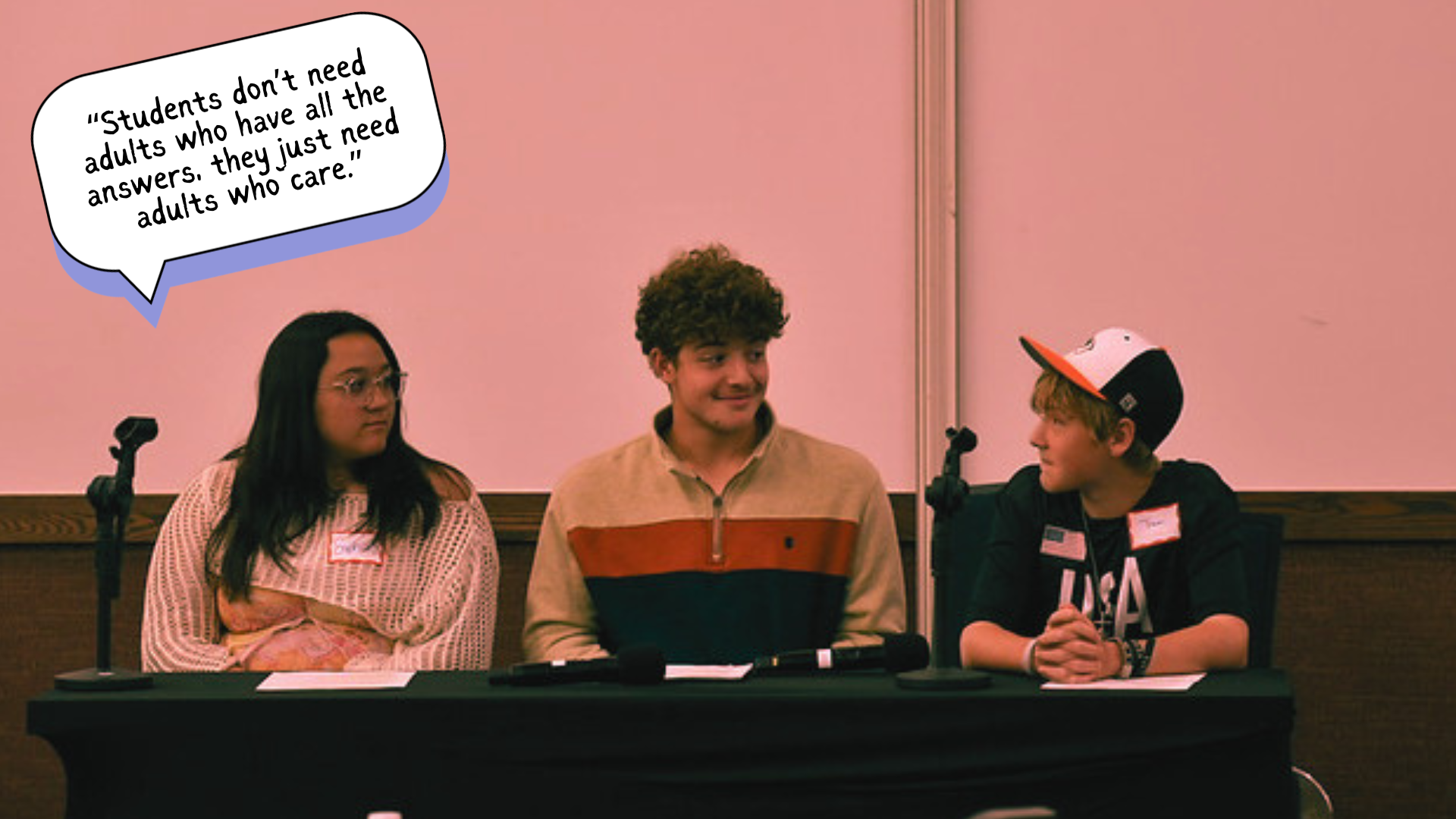
Overall, my favorite part of the event was the youth panel, when three local teenagers participating in a peer-to-peer mentorship program spoke about their mental health. Mentors Sophia and Wyatt spoke alongside Tyee, a mentee, and covered questions about mental health and youth wellbeing. In their panel, they emphasized the importance of being there for one another during hard times as well as the value of the bonds they had formed within their mentorship.
Especially in our digital age, it was incredibly powerful to see the impact of in-person connection and community. Born This Way Foundation’s 2025 research in collaboration with Hopelab surveying LBGTQ+ rural youth indicates that young people reporting low community support were more likely to experience depression (59% vs. 42%) and loneliness (66% vs. 47%), and less likely to report flourishing (41% vs. 58%). In promoting healthy, empathetic community bonds, the peer-to-peer mentorship has the capacity to drastically improve the wellbeing of its participants.
This summit, as a whole, reminded me of the significance of community in advocating for and supporting youth mental health. Whether it be teachers, health care providers, or even students offering support and kindness to one another, the Youth Suicide Prevention and Education Conference emphasized how every individual can make a difference to benefit the mental health of those around them. Even small interventions and kindnesses can make a large impact, and it was incredibly empowering to see the Eastern Washington community gathered because of how much they cared.
The student panelists agree. When asked what adults and other community members could do to help them with their mental health, their answer was unanimous. “Students don’t need adults who have all the answers, they just need adults who care,” they said.