

Content Warning: This piece references the conflict in the Middle East, including violence, war, and humanitarian crisis, which may be distressing for some.
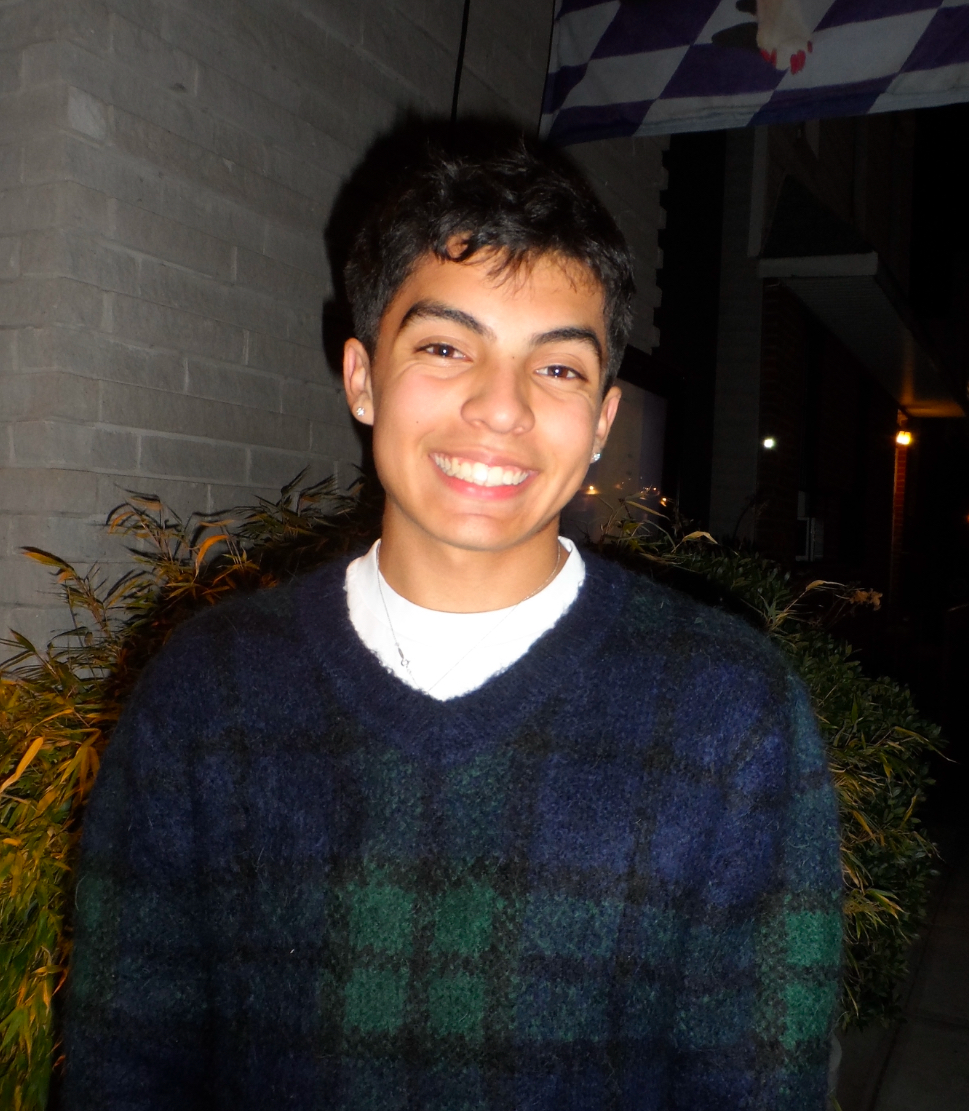
I spoke with Palestinian Sudanese poet Ahmed Sarsour over a video call in late 2025. He described himself simply as an “uncle, son, brother, and engineer,” placing family and responsibility at the center of how he understands his identity. Poetry, though deeply important to him, came later in the conversation. It is not something he treats as separate from his life, but something shaped directly by it.
Although poetry has helped Ahmed personally, he is clear that its purpose reaches beyond himself.
“As a human being, I cannot see people suffer without acting… we all have the power to change something in this world,” he shared.
For Ahmed, poetry became a way to vent and process the struggles he has faced throughout his life. From losing family members in conflict to living with post-traumatic stress disorder and panic attacks, art became a necessity. It gave him a way to keep moving forward during moments of grief that felt overwhelming.
Art “helped [him] keep on going with life.”
Some of the memories that inform Ahmed’s writing remain vivid. He described waking suddenly to the sounds of violence, unsure at first whether what he was experiencing was real.
“I was asleep, and then I began feeling these roars of airplanes and missiles. Then I realized this was not a dream. I could smell the gunpowder.”
He recalled the fear his family felt in those moments.
“I remember our sisters were here with us, and they were so terrified and frightened.”
Loss has been a constant presence in Ahmed’s life. He spoke about family members he has lost to the conflict in his hometown of Gaza, describing the impact on both himself and his mother.
“I lost one of my cousins. My mom lost a lot of her relatives.”
He also shared the loss of two neighbors, people he knew personally and interacted with regularly.
“These people, I knew them. I shook their hands. I smiled to them. I talked to them… it is awful… that I knew this person and now [they] are gone forever.”
One loss, in particular, continues to weigh heavily. He spoke about a neighbor with whom he had made plans for the future.
“One of them, we talked about… going to visit Egypt together and building a whole new life for us there. I promised him that I will be there for him… I never will be able to keep that promise.”
After witnessing violence against his community, family, and people in Gaza, Ahmed used poetry as a way to endure what he was seeing and experiencing.
“After the horrors I have seen here in Gaza, and the things being committed against my community, family, and people… [poetry] is my way to resist.”
Ahmed shared that communication has often been difficult for him. He lives with social anxiety disorder and panic attacks, which can make speaking with others overwhelming.
“I have always struggled talking to people,” he said.
Poetry was more than a hobby for him. It became his primary form of expression and a way to process experiences that felt impossible to explain.
Living in Sudan from 2002 to 2023, Sarsour is no stranger to conflict. When he was forced to flee Sudan in early 2023, he returned to his hometown of Gaza believing it would offer safety. What he hoped would be an escape from danger turned out to be the complete opposite.
Despite this, Ahmed continues to believe that art of all kinds plays a major role in shaping a kinder and braver world. When describing his love for film and music, he pointed to artists who use their platforms to advocate for justice, referencing figures such as Mark Ruffalo for speaking out at events like the Golden Globes and Oscars, as well as Lady Gaga for advocating for human rights throughout her career.
When asked about common misconceptions surrounding Gaza, Ahmed responded, “They say we are barbaric… we are all terrorists.”
The conversation I shared with Ahmed contradicts this entirely. He spoke about his love for his nieces and nephews, his commitment to writing, and his desire to help his community. Most importantly, Ahmed Sarsour is human.
Disproving harmful stereotypes is one of the many goals he holds for his poetry. Along with this, he hopes to fundraise for his family and community, especially for those in urgent need of safety and medical care.
“People need money to evacuate and to [pay for] treatment,” he shared.
Although evacuation is costly, the community Ahmed has cultivated online has led to meaningful support. Still, he believes financial aid alone is not enough.
“Go to protests. We need to go to our leaders. [We] need tangible change.”
For Ahmed, art remains one of the most powerful tools for connection across cultures and borders.
“Each culture has its own art and traditions… it connects humanity. You cannot speak the language of other nations, but you can see their art and enjoy it.”
As I finished my conversation with Ahmed, my perspective shifted. His story reflects resilience shaped by loss, care rooted in community, and a commitment to speaking out even when it is difficult. Despite obstacles that have followed him throughout much of his life, Ahmed found power, resistance, and peace through poetry.
Whether it is dance, basketball, poetry, or painting, creative expression can become a tool for survival and change. Ahmed’s work serves as a reminder that art does not exist apart from the world around us. It documents reality, challenges dehumanization, and can lead to significant change across the globe.