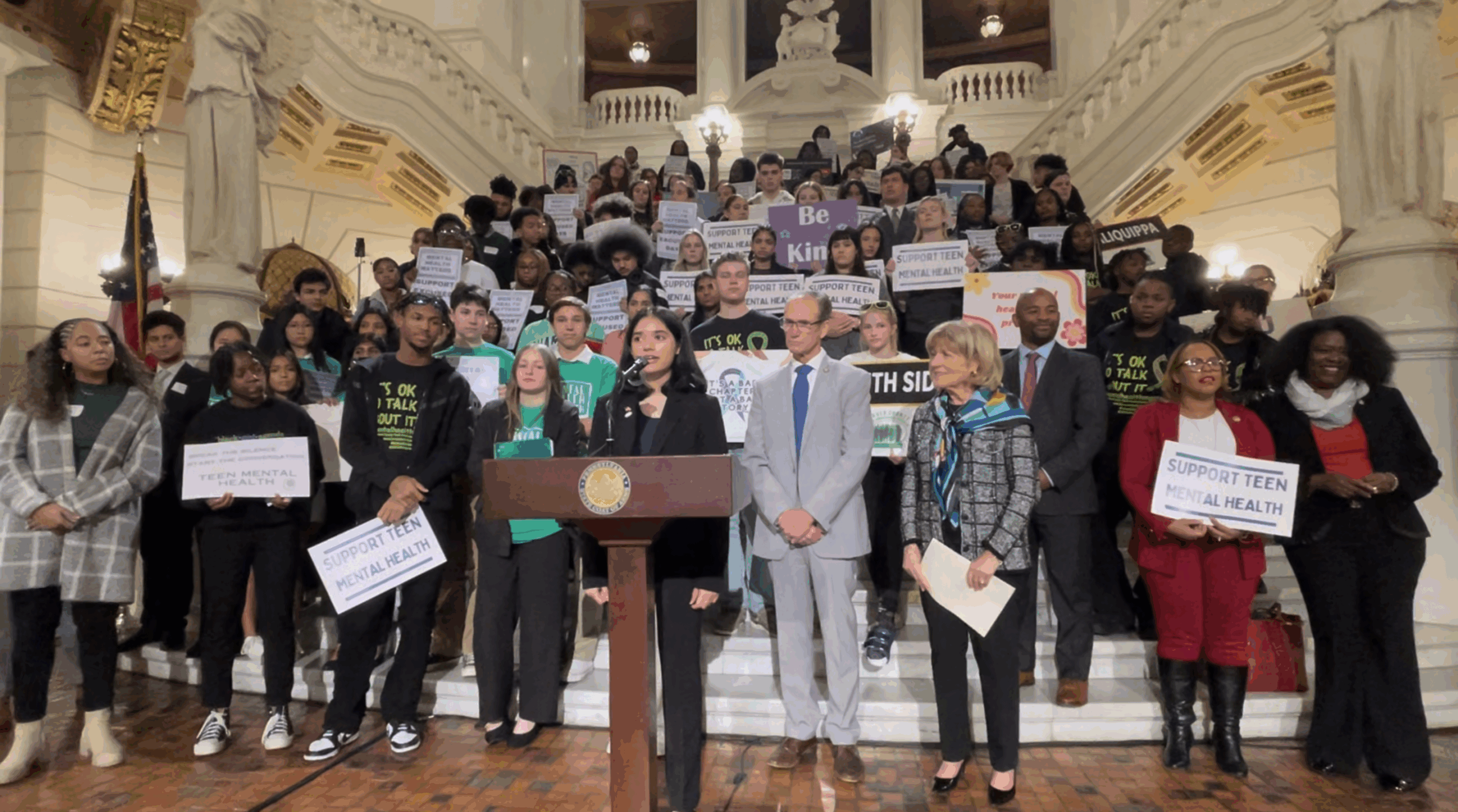
We have always been told that life is a marathon, not a sprint. Activism, advocacy, and mental health operate in a very similar way.
While activism gives individuals a sense of purpose, connectivity, and empowerment with others who are working toward a shared common goal, it can sometimes feel depleting and draining. This is a common phenomenon when engaging in advocacy and activism, although it often lacks large-scale awareness and recognition.
Just like a marathon runner may experience intense aches and pains during the first few miles of their race, an activist can experience frustration, discouragement, and sadness in their pursuit of enacting change on a wider scale. In the pursuit of social change, there are inevitable days when advocates may feel burnt-out and unmotivated by the harsh and slow-changing social and political landscape.
It can be challenging to balance our own needs while continuing to advocate for others’ needs and pursue what we believe in.
This begs the question❓💡: How can we pursue our goals and dreams of helping others while also continuing to take care, honor, and not lose ourselves within the same process?
Christie, NYC therapist, shares some tips to support yourself during the advocacy process:
1. Recuperate with loved ones
Social connections are imperative for our mental and physical well-being. If you feel overwhelmed and want to cultivate a healthier life balance, consider reaching out to loved ones for support and connection. Something as small as digitally facetiming a friend or grabbing a coffee IRL (in real life) for short periods of time can have positive sustained benefits ☕️🫂
According to the Center for Disease Control (CDC), individuals with stronger social connections are likely to live longer, healthier lives. Social connections can help reduce the risk of chronic disease and serious illness, such as: heart disease, stroke, dementia, depression, and anxiety. “Factors including modernization in society, economic disparities, the introduction of digital technologies, shifts in civic engagement, growing political divides and radicalization, and others, have been examined as potential contributors to a decline in social connection. Given that societal trends across several indicators reveal increasing rates of those who lack social connection, and a significant portion of the population reporting loneliness,” it is essential to discuss the positive benefits of maintaining strong social connections.
I encourage you to cherish and hold onto the authentic relationships in your life. If you feel disconnected and isolated, please consider sharing such feelings with one person in your life who you can trust. Humans have always relied on each other to survive since the beginning of time. We are all interconnected and depend on one another in some shape or form.
2. Connect with yourself
Self-connection: Having a stronger connection and awareness of yourself can lead to more meaningful and purposeful connections and activities with others.
“Self-connection may enhance various aspects of social connection and social well-being. More self-connected individuals may engage in more meaningful activities due to acting in alignment with their values. For such reasons, connection with self and others may go hand-in-hand.” Focusing on your own needs through independent activities can strengthen your stamina and capacity to engage in advocacy work in the long-term.
Self-check in: It can be helpful to check in with yourself to notice if there are habits or patterns you may want to change. If you notice your sleeping and eating habits have shifted, or you experience a decline in motivation and feelings of burn-out, this is your body and mind telling you to slow down, 🛑✋ We can’t impact the world around us if we are operating at 20% battery level, 🪫Recharging your batteries may look like journaling your thoughts and feelings, exercising, bed-rotting (lol), practicing mindfulness meditation, immersing yourself in a good book, etc. – these are just a few examples 🔋
So, I ask you, reader, what makes you feel more fulfilled and at peace with yourself? How can you make a conscious effort to connect with yourself and identify when you are in need of ‘me’ time to decompress and reset?🧘 Solid rule of thumb 👍: Show up for yourself so you can show up for others.
3. Set media boundaries
We’ve all passively scrolled on our phones, laptops, or watched the news, eventually hearing and seeing disturbing and upsetting events. It can be difficult to be unaffected by these external occurrences when we’re shown this content 24/7.
According to research, “use of social media, especially heavy use and prolonged time spent on social media platforms, appears to contribute to increased risk for a variety of mental health symptoms and poor well-being, especially among young people.” Researchers have devoted time to studying social media’s effects on mental health and how they impact us in the long run. It is important for us to stay educated on safe social media practices and take preventive measures to protect our well-being.
How can you manage the amount of time you are spending consuming media content?
One idea is to set time limits. Instagram has a feature where users can set daily time limits on the app. Using that feature will send reminders when it’s time to hop off the app and get back to real life. Instagram also offers a feature that shows users their weekly screen time on a graph. Try seeing if you notice any trends/patterns where increased screen time is linked to changes in your mood. If you notice elevated screen time and a decline in your mood, it may be helpful to reduce your screen time. The graph may provide valuable data, insights, and potential correlations between media consumption and your mental wellbeing. Attached is a link to help you set a daily time limit and view your weekly screen time: https://help.instagram.com/2049425491975359
Being mindful of your mood before and after media interactions can be a great tool to moderate technology usage. While it is absolutely important to stay informed and up to date with what is going on in the world, too much media consumption on a daily basis may do more harm than good. 📵
4. Therapy: find affirmative and culturally competent care
For folks who have sought out therapy in the past, many know the difficulties of finding a ‘goodness of fit’ match between themselves and the therapist. Sometimes, it can be a strenuous, tedious process to find someone who you feel connected with and accurately understands your identity, background, culture, etc.
As an advocate, it can be helpful to have a therapist by your side to explore your thoughts, feelings, and experiences. Many advocates are passionate about different issues and continue to expose themselves to negative information to stay informed about a topic or current event. This continued exposure can lead to “activist burnout,” a sensation that can result in feelings of impending doom, pessimism, and depression. Having an allied professional to talk through your experiences and feelings can mitigate burnout while allowing you to stay engaged in the advocacy you are passionate about. Much of what we see and experience today is incredibly dark and violent, so it’s important that you take care of yourself for both the longevity of your health and the larger health of your advocacy movement.
Jo’s personal therapy experience: “Finding a therapist is like finding the right shoe: sometimes you choose something that looks nice but doesn’t fit quite right. Don’t be afraid to try working with different therapists and finding someone who understands you. I worked with numerous mental health professionals before finding someone who understood my intrinsic motivations and passions while also acknowledging the struggles that come with being an advocate. Finding my therapist allowed me to be authentic about my experiences – this helped me affirm that my inner struggles are valid while also helping me build a stronger and more trusting relationship with my therapist. Being clear and honest, especially about advocacy struggles, is vital to protecting your mental health in the long-term.”
“Research demonstrates that the quality of the therapeutic relationship is one of the strongest predictors of successful treatment outcomes in various healthcare settings.” The therapeutic alliance is one of the strongest factors that can predict successful treatment outcomes. Therefore, it can be beneficial to have some baseline requisites to hone in on as you look for a therapist.
Helpful therapy search tip: Use therapy search engines to search for a therapist. Many have filter sections that help you select therapists who match certain criteria based on your preferences. Some search engines have sections such as sexuality, gender identity, language, age, ethnicity, and faith, to name just a few. Various types of therapeutic modalities and presenting concerns may also be available, depending on the platform.
Make the therapy search process more streamlined and efficient for you: Reduce the amount of time searching for a therapist who aligns with what you’re looking for so you can get the care you need SOONER! ☮️
Christie & Jo met at a Born This Way Foundation event back in September of 2025, as they were seated at the same table. They both share a common passion to improve society and advocate for human rights and equality (oh – and their unwavering love for matcha).
Christie is a mental health therapist based in NYC, and Jo is a human rights master’s student at Columbia University. They feel grateful to share this message with our audience at Channel Kindness and facilitate greater awareness and knowledge of the interwoven framework of activism + mental health!