

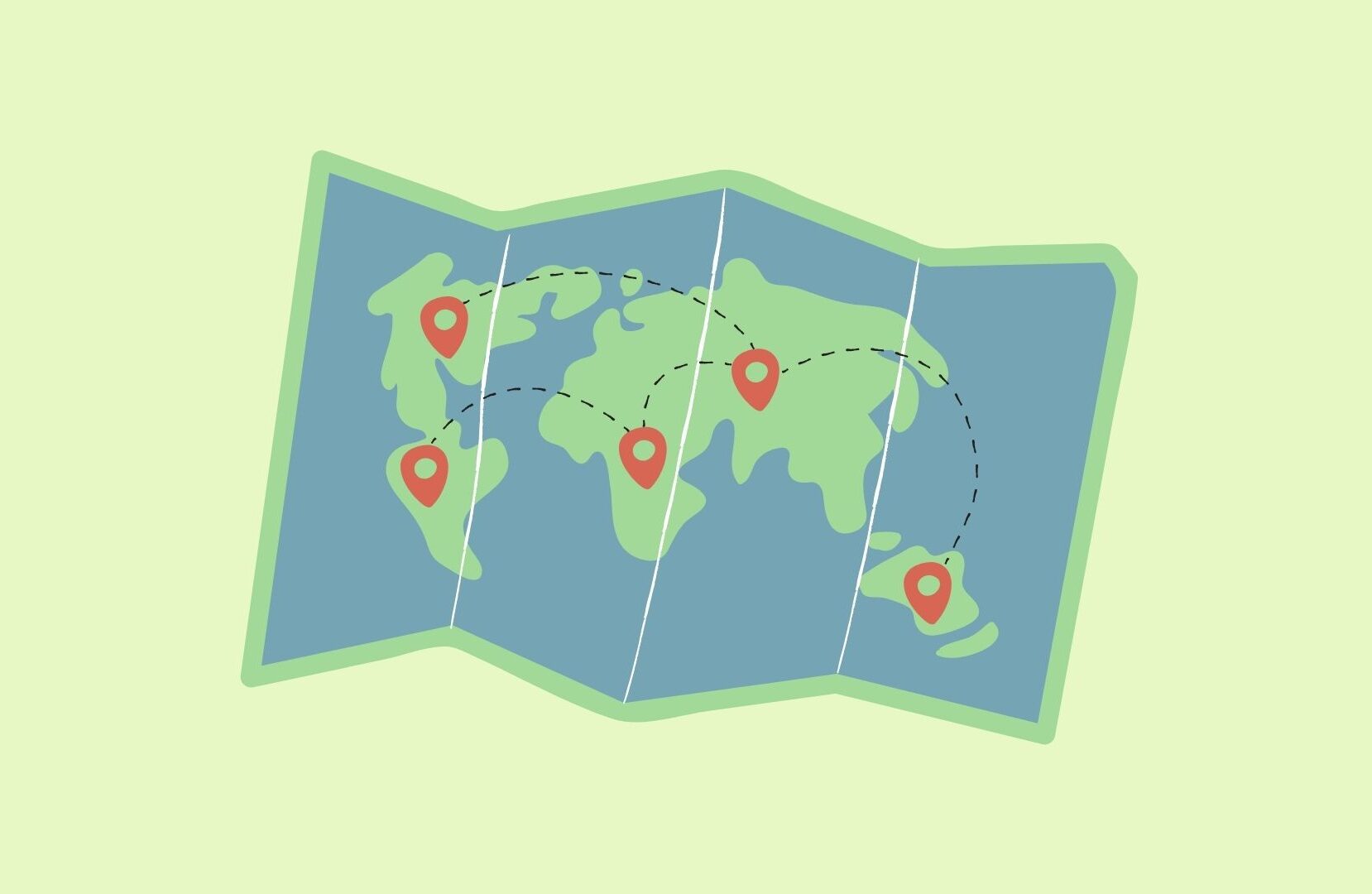
When I first landed in this country, I carried two bags: one filled with everything I could bring from home, and another, invisible one, heavy with anxiety and depression that I didn’t yet have words to describe.
The promise of “a better life” had brought me here, but standing alone in that airport, I felt anything but better. The first months were a blur of contradictions. Everything was simultaneously exciting and terrifying. Simple tasks became mountains to climb ordering coffee, asking for directions, making phone calls. My confident self crumbled with each stumbled English sentence. At night, panic attacks became my unwelcome companion, my mind racing with thoughts I couldn’t explain to anyone, not in English, not even in my native tongue. Depression crept in quietly, disguised as homesickness.
I told myself it was normal to feel this way, normal to spend weekends alone in my tiny apartment, normal to feel disconnected from both my new world and the one I’d left behind. My family’s voices through the phone became both a comfort and a reminder of everything I’d lost. Their well-meaning advice “Stay strong,” “It will get better,” “Think of the opportunities” echoed hollowly in my empty room.
The breaking point came during a winter morning when I couldn’t get out of bed. Not because of the cold, but because the weight of existing in this foreign space felt too heavy to bear. My supervisor at work had praised my progress the day before, but all I could hear was my accent, all I could feel was my difference. The disconnect between my outer “success” and inner turmoil became too wide to ignore. That day, I did something that would have been unthinkable back home. I searched for a therapist. Finding one who understood both cultural displacement and mental health was its own journey, but when I finally sat in that office and heard her say, “What you’re feeling is a normal response to an enormous life change,” something inside me softened.
Healing began not when things got easier, but when I accepted that difficulty was part of the journey. My therapist helped me understand that my anxiety wasn’t weakness; it was my mind and body processing a complete upheaval of everything familiar. My depression wasn’t failure – it was grief for a life left behind and the complex process of building a new one.
Slowly, I built a bridge between my two worlds. I found a community of others straddling multiple cultures, who understood the peculiar pain and pride of creating a new home. In our shared stories, I found pieces of myself. Some days were still hard they still are, but I began to understand the truth in the saying, “For indeed, with hardship will be ease.”
The ease came in unexpected moments: in finally understanding a cultural joke, in helping another newcomer navigate the system, in discovering parts of myself that only emerged through this challenge. I learned that healing isn’t about erasing the hard parts but about growing strong enough to carry them differently.
Today, I still carry those two bags, but their weight has changed. The physical bag has been unpacked, its contents merged with my new life. The emotional bag my anxiety, my depression hasn’t disappeared, but it’s lighter, more manageable. I’ve learned to honor both my struggles and my strength, to embrace both where I’m from and where I’m going.
To those standing where I once stood, feeling caught between worlds, between wellness and worry: there is ease after this hardship. Not because the challenges disappear, but because you grow stronger, wiser, more compassionate with yourself. Your accent might remain, your heart might still ache for home, your mind might still need extra care but you’ll find a way to make peace with all of it. You’ll find home within yourself.