

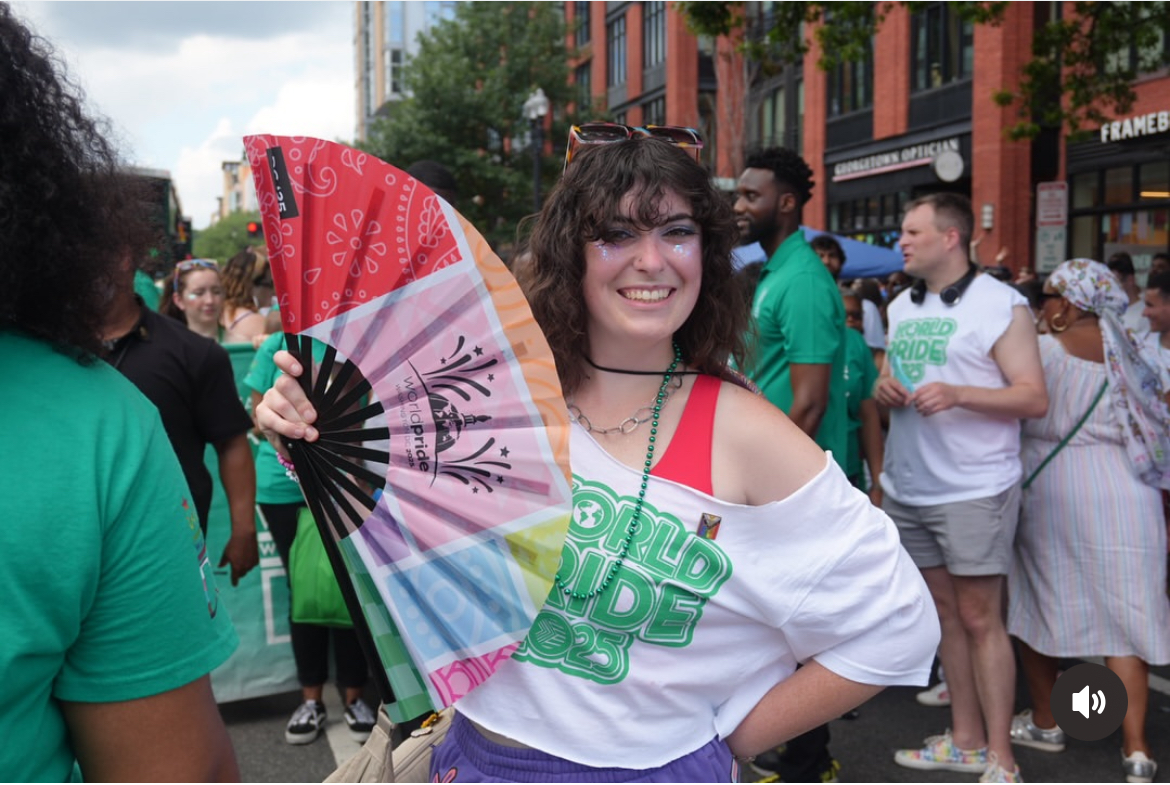
A year ago, I stood in the middle of something extraordinary. Thousands of people filled the streets of Washington, D.C. for WorldPride — parades, rallies, performances, and moments of collective joy that felt, at least for a few days, like proof that progress was real and irreversible.
I was part of making that happen. And now, a year out, I find myself thinking less about the celebration and more about what it actually cost to build and what comes next.
Pride has always been a movement before it was a party.
The rights, protections, and spaces LGBTQ+ people navigate today were not handed down by institutions that suddenly found their conscience. They were taken by people who were young, underfunded, dismissed, and told that what they were fighting for was impossible. That lineage runs from the activists who refused to go home after Stonewall to the students organizing GSAs Genders & Sexualities Alliances) in schools where administration would rather they didn’t exist.
One year after WorldPride, that lineage is what I keep coming back to.
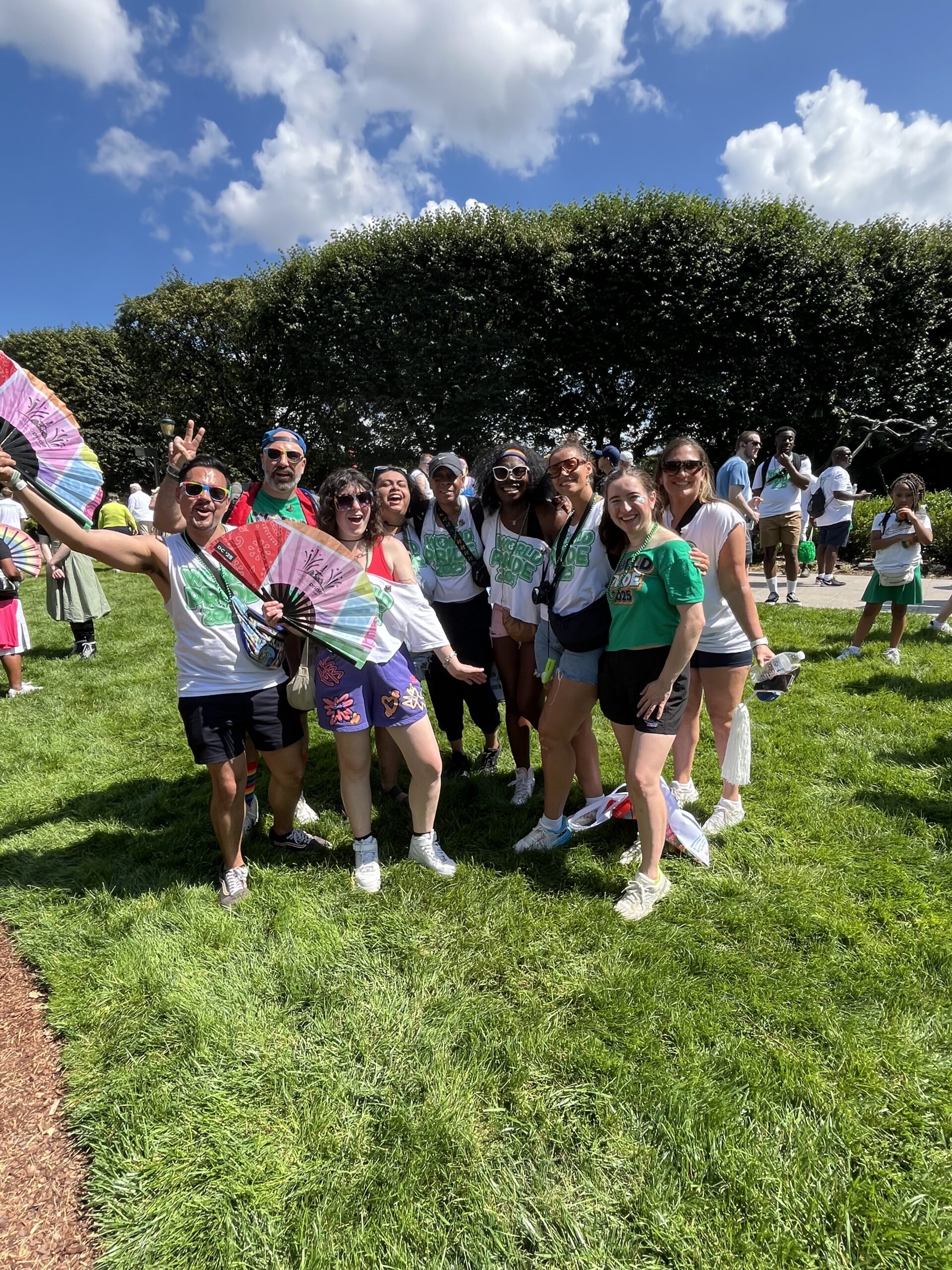
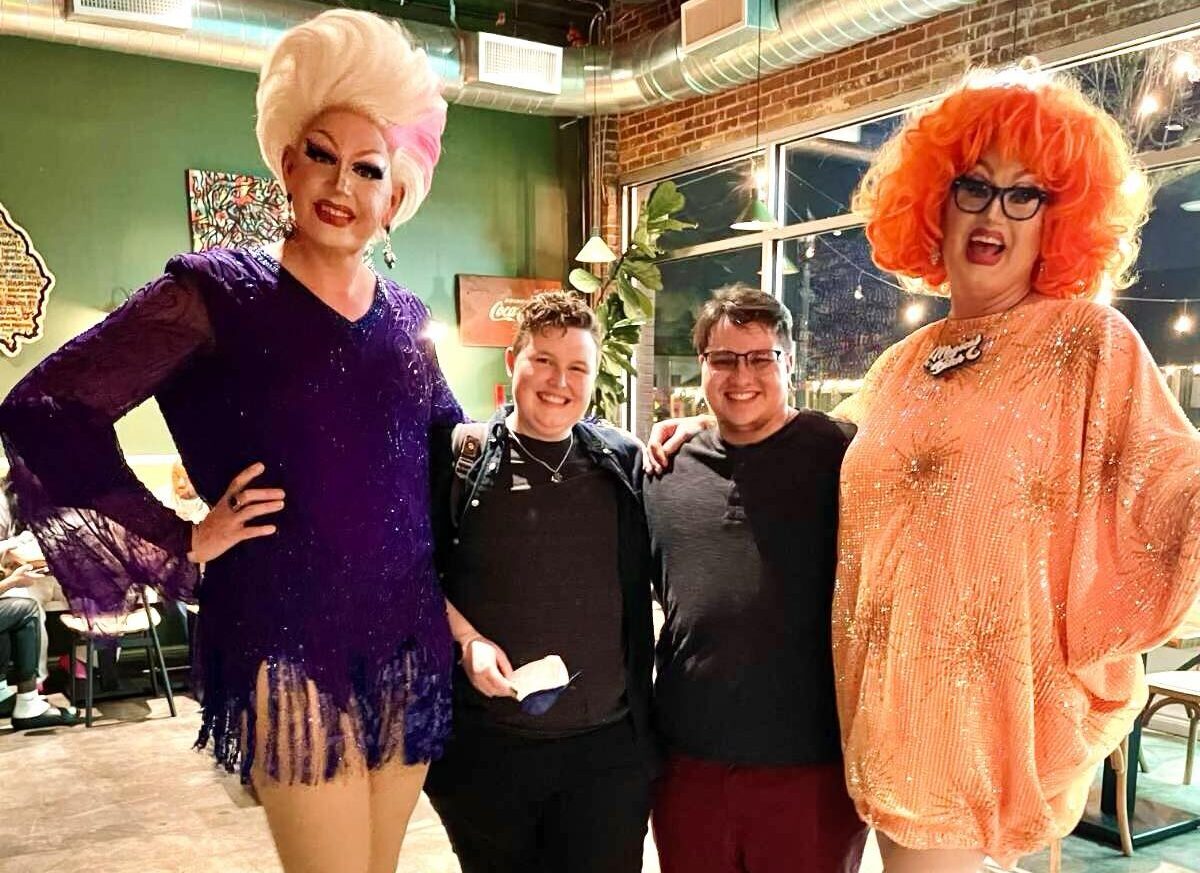
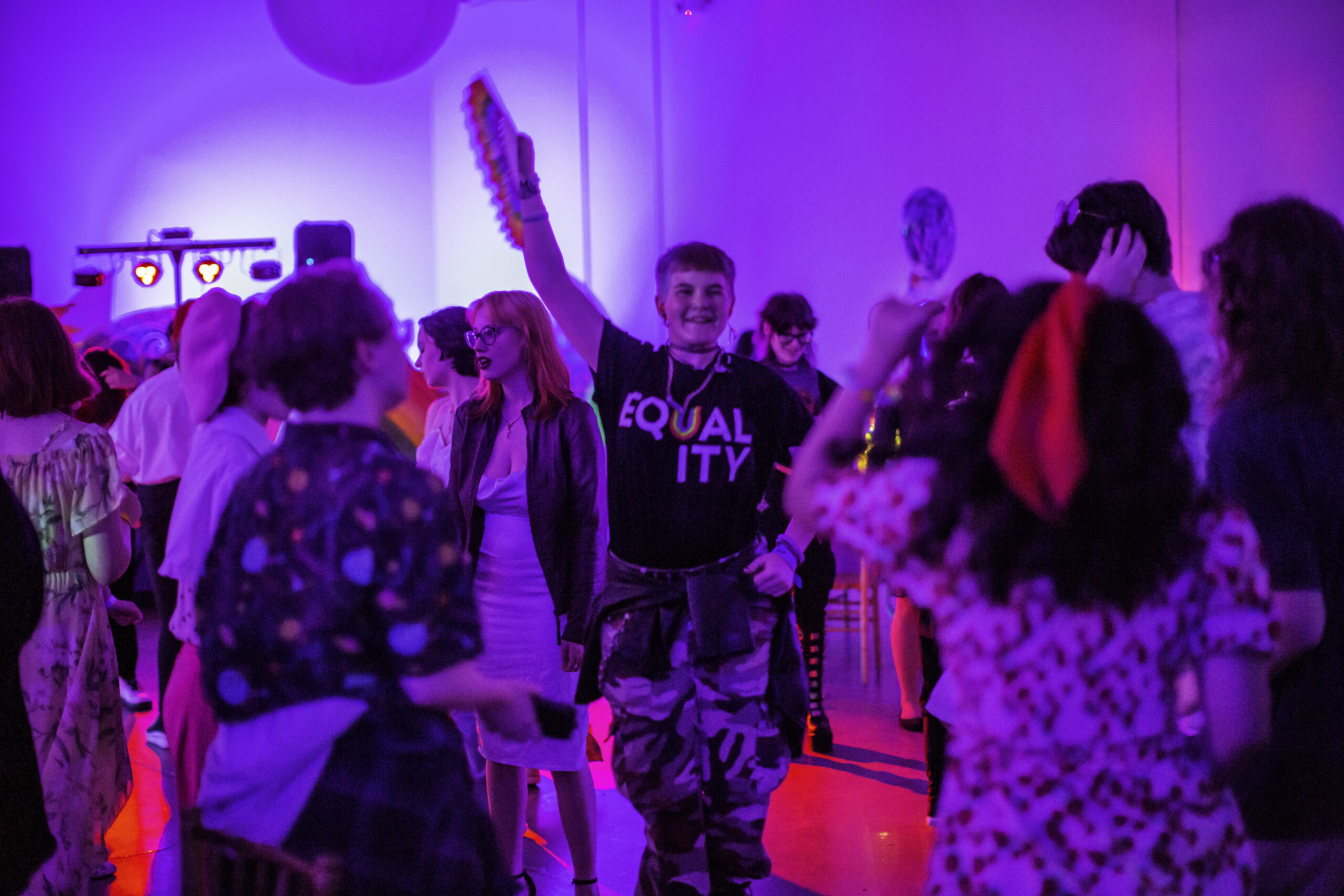
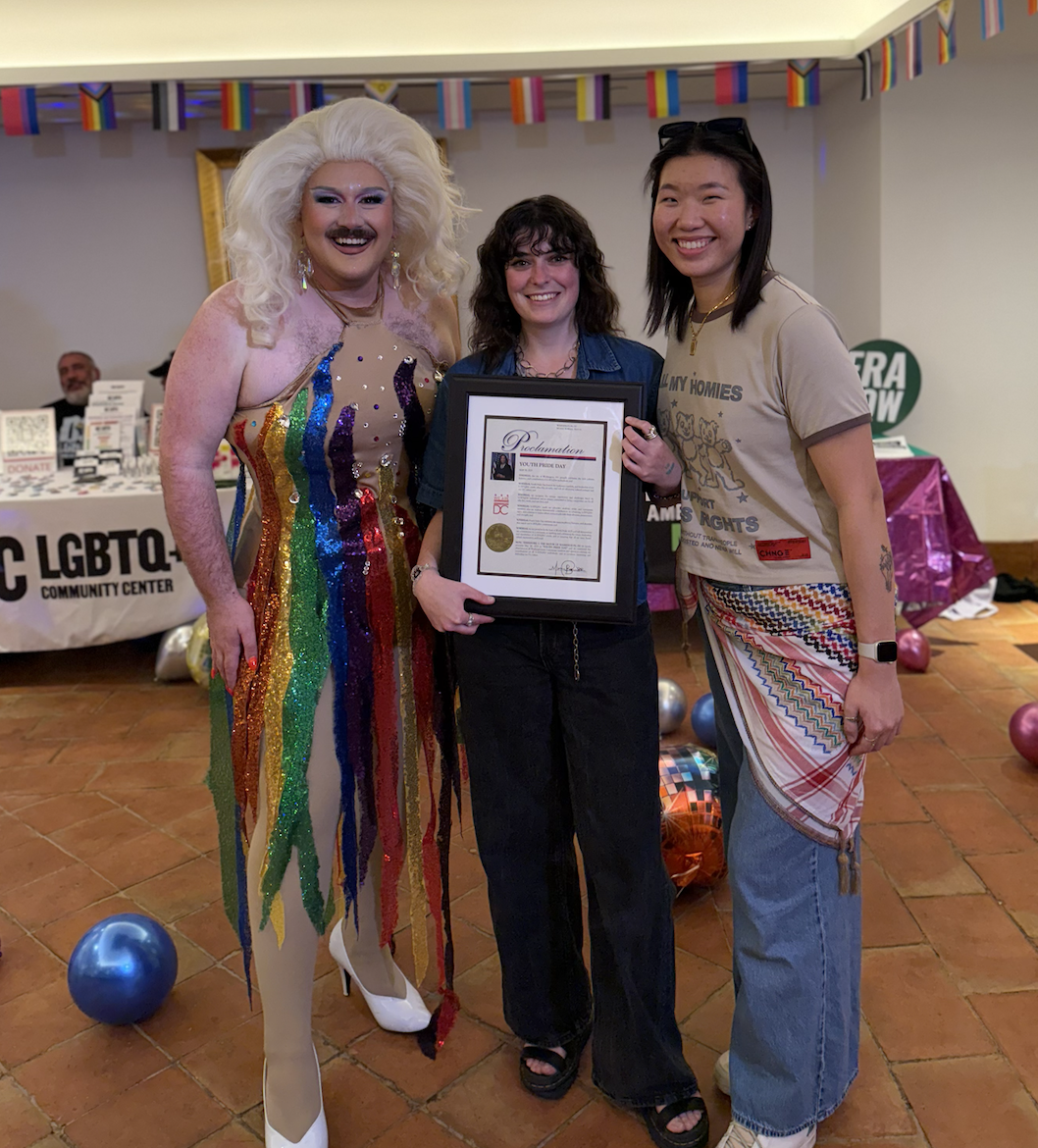
One of the moments that crystallized it for me was Pride Rising, a night during WorldPride’s Youth Pride programming that brought together Gen-Z LGBTQ+ young adults for exactly the kind of event we don’t talk about enough: not just celebration, but activation. Inspiring speakers. Drag performances. A genuine push toward civic engagement and social justice action. Born This Way Foundation was there, alongside the Human Rights Campaign, Point Foundation, Gen-Z for Change, and others who understand that showing up for young people means more than visibility. It means infrastructure.
That event was a reminder of what’s possible when organizations commit to building something rather than simply attending something.
Because the landscape has shifted. Across the country and around the world, we are watching debates over healthcare access, educational inclusion, and basic civil rights that many of us thought were settled. Progress, it turns out, has no automatic renewal clause. Every generation inherits both the victories and the unfinished work and right now, the unfinished work is significant.
That is exactly why youth movements matter more than ever.
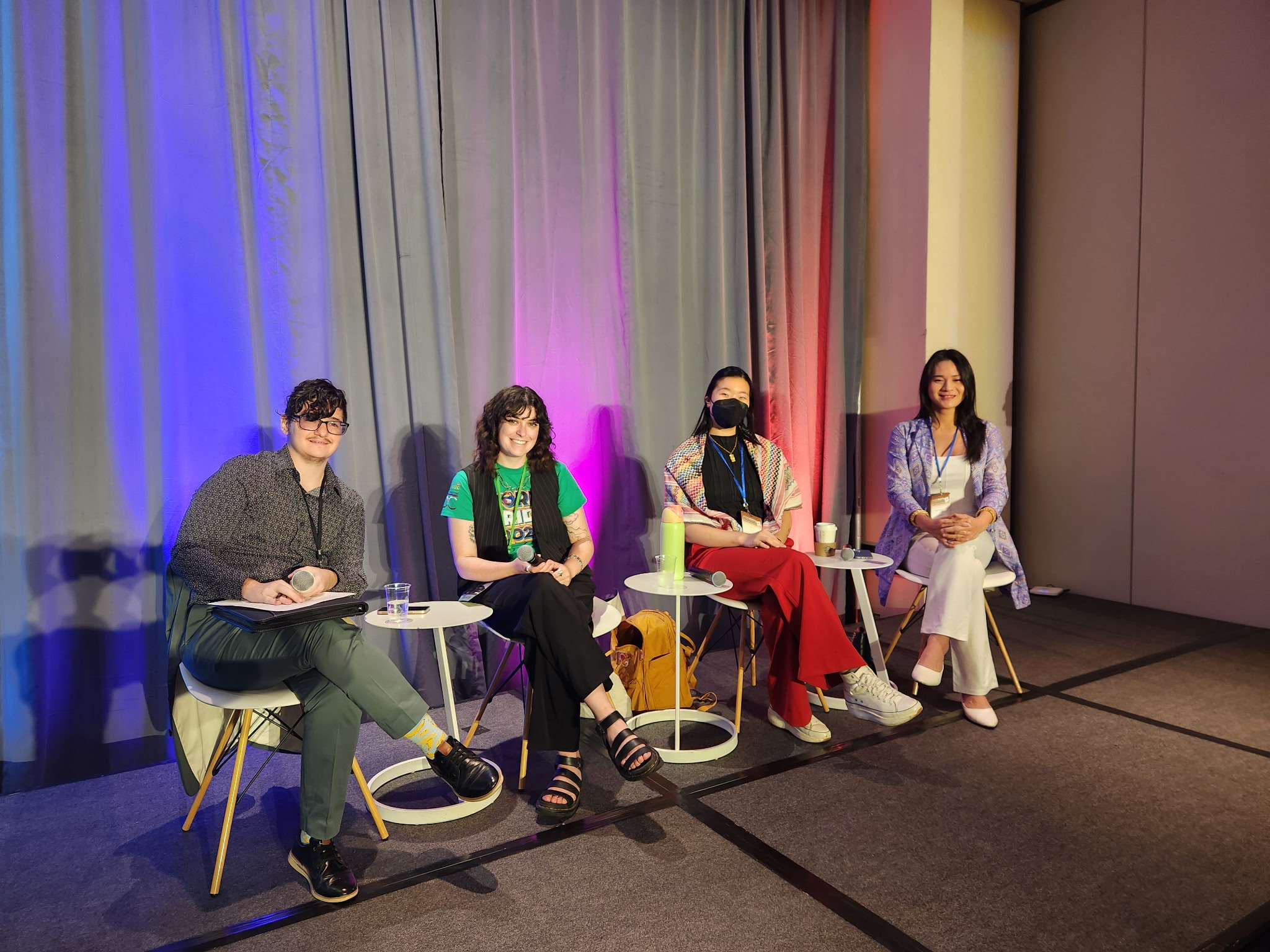
Young people bring a particular kind of urgency to problems that institutions have learned to manage instead of solve. They ask the uncomfortable questions. They refuse to accept that systems are too entrenched to change. They build new forms of community when existing ones fail them: mutual aid networks, peer support structures, organizing models that didn’t exist five years ago.
But what I saw in my work around WorldPride goes beyond activism in the traditional sense. I saw young people doing the unglamorous, essential work: coordinating logistics, advocating for inclusive programming, ensuring that the communities most affected by discrimination were not just represented in the crowd but had a hand in shaping the event itself. That kind of leadership, participatory, accountable, grounded, is what determines whether a moment becomes a movement.
Visibility matters. WorldPride proved that. But visibility is not a policy. It is not a protection. And it is not a substitute for the infrastructure of sustained advocacy.

The next chapter of LGBTQ+ progress will be written by young people who are already doing the work, many of them without recognition, adequate resources, or institutional support. The work being done through Channel Kindness, and the investment Born This Way Foundation has made in centering youth voices, is part of what that infrastructure looks like in practice. Not a headline. A foundation.
Our job, as people who have had the opportunity to lead, is to make sure young people have pathways into decision-making rooms, not just spotlight moments.
A year later, I carry forward the energy of what we built together in D.C. Not because the work is finished. But because I have seen, firsthand, what becomes possible when young people are trusted to lead it.
The future of Pride will not be measured by the size of our parades. It will be measured by the strength of our movements, the resilience of our communities, and whether we invested, seriously, materially, in the people pushing us forward.
That has always been the story of Pride. One year after WorldPride, it is still the most important one we have to tell.