What happens to communities when the safety systems meant to protect them are designed without their socioeconomic backgrounds in mind, and for emergencies they aren’t prepared for? The year 2020 gave me a brutal answer.
Growing up in the San Gabriel Valley, a predominantly immigrant community, in a single mother, low-income household, I witnessed firsthand the shortcomings immigrant, low-income, and marginalized families faced after the COVID-19 pandemic. They struggled to gain access to the most basic of necessities: food and hygiene supplies, while simultaneously facing systemic building inequities as their homes lacked the modern safety functionality newer spaces offered. They believed their pathway of opportunity was closed, that all was lost. I remember one conversation I had with a child who had just lost their home due to the unemployment crisis exacerbated by the pandemic. Their mother told me they wish they had the financial stability to recover their jobs, their dignity, and their children’s futures. They wish they had the courage. So, I became the catalyst through which they could rebuild that lost pathway.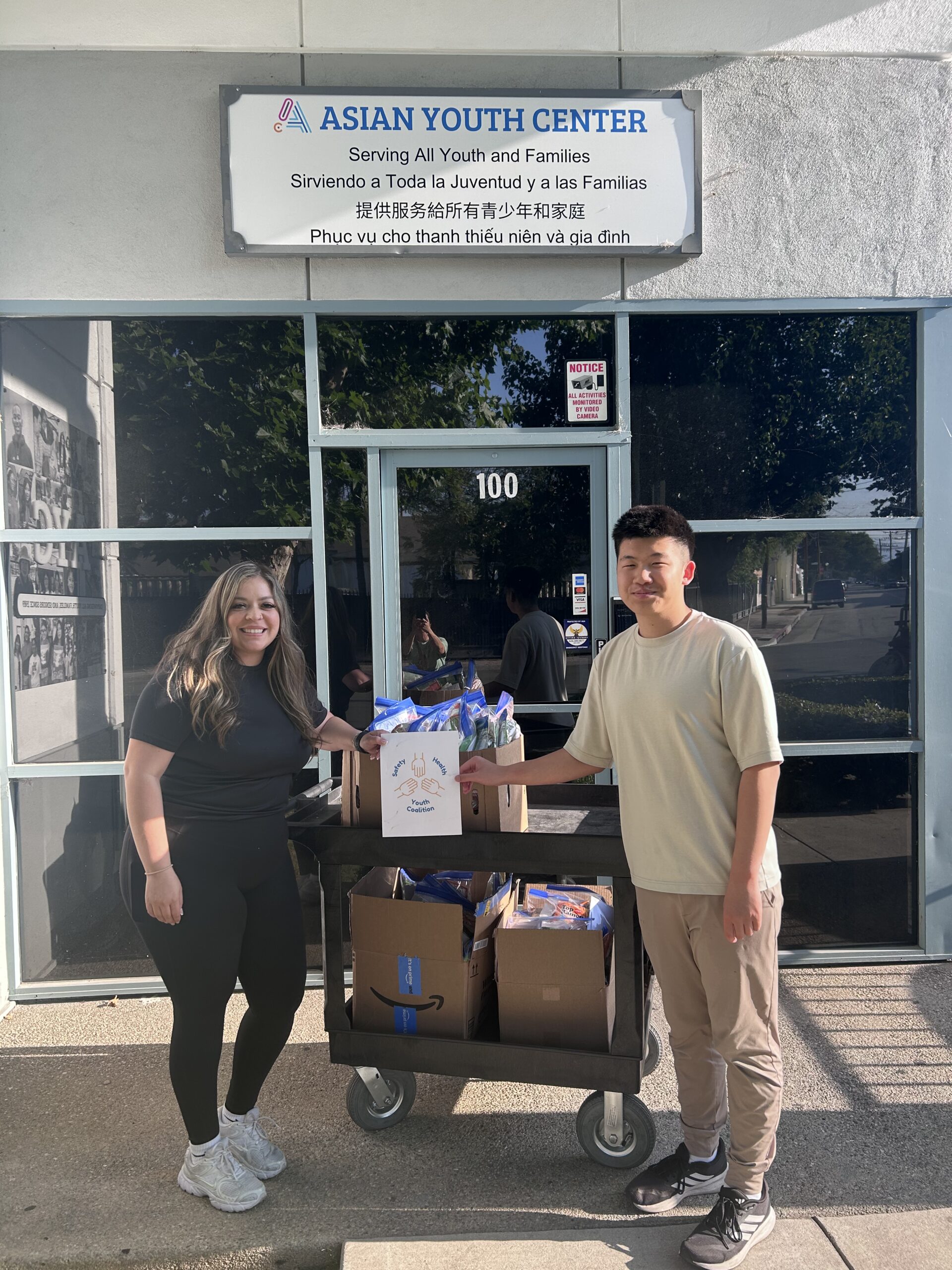
With my community in mind, I founded the Public Health and Safety Youth Coalition in partnership with Garfield Health Center, a local health clinic. Through my coalition’s mission statement, “To strengthen the community resilience of immigrant families by expanding access to public health and emergency preparedness opportunities,” I aim to empower local neighborhoods with the tools, knowledge, and resources to promote long-term community health and safety resilience. I aim to bridge the access gap between disaster relief resources and vulnerable communities.
Initially, as part of a society-wide emergency preparedness initiative, I launched a health and emergency preparedness workshop program in September of 2024 that engaged underserved youth at city community centers, particularly those affected by natural disasters, on topics spanning from surgical techniques to disaster-preparedness. During the workshops, I lead interactive lectures with hands-on activities. To date, I have engaged over 200 youth through 15+ workshops across the San Gabriel Valley.
We are additionally focusing our efforts on post-disaster recovery, specifically the 2025 LA wildfires. To address the devastation, my youth coalition partnered with Habitat for Humanity and assembled over 150 care kits for the 200,000+ marginalized families who lost their homes, facilitating immediate and reliable assistance to the most vulnerable areas by bringing them to the forefront of ongoing disaster relief efforts.
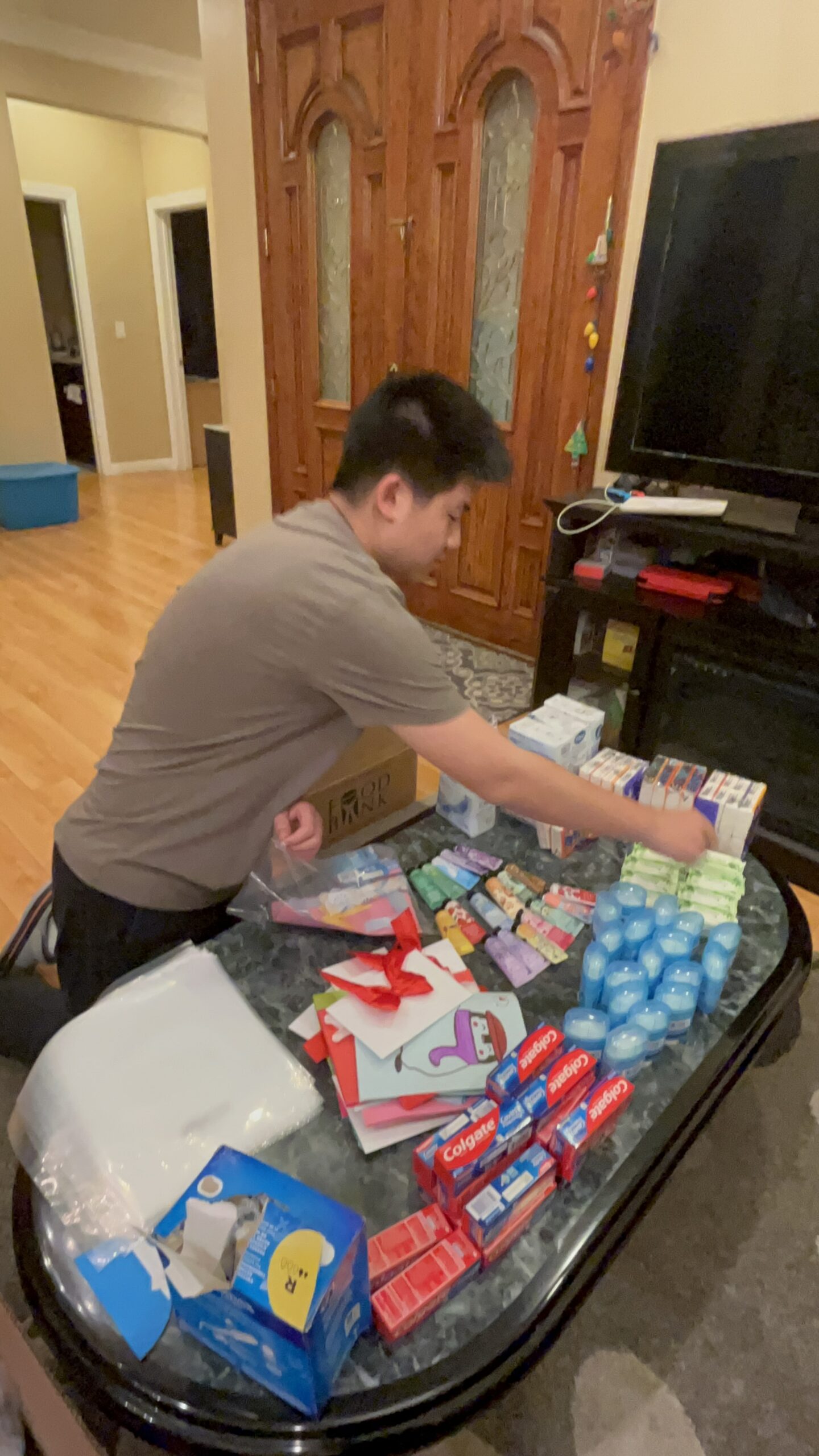
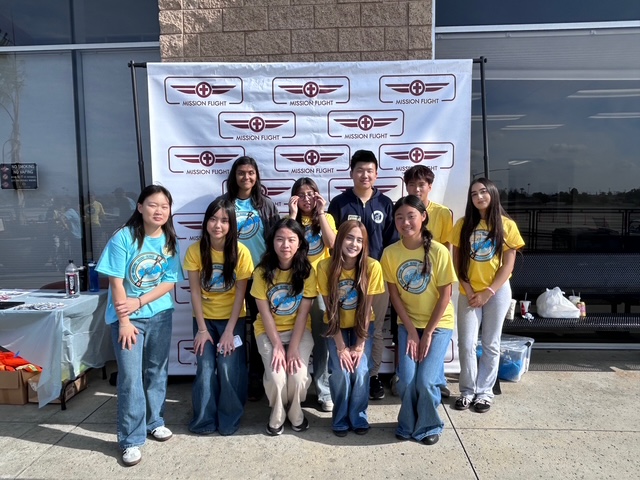
Recently, we have also expanded abroad through a strategic partnership with Mission Flight, bringing our mission, educational workshops, and safety curricula to the Huichol People in rural Mexico. I packed over 50 hygiene kits that will help 150+ vulnerable Indigenous families in Nayarit and the San Quentin Valley. Much like we did for the LA wildfires, we were able to provide stability to impacted families—school supplies and clothing—enabling them to go back to school, chase their academic endeavors, and unlock their power to lead.
To date, I have mobilized 450 volunteers and impacted over 300,000 residents across 10 chapters across California, partnering with over 20 businesses, hospitals, and nonprofits across 3 countries to expand our impact.
Through my work, I’ve realized that disaster relief is an inalienable right that shouldn’t impose social or financial burdens. While disasters affect everyone, the weight of those burdens falls disproportionately on vulnerable communities—communities that are equally deserving of dignity and respect. By excluding their contexts and lived experiences from the design of relief systems, we are depriving them of countless innovations and risk creating solutions that reinforce rather than reduce inequality.
My youth coalition exists to ensure every community, every family, every child receives the dignity they deserve. Disasters are unpredictable and can cause deep damage on both a physical and emotional level. As I’ve worked with my youth coalition, I’ve slowly realized that kindness is like a disaster (but in a good way)! You never know when one donation or workshop will profoundly change a child’s life for the better.