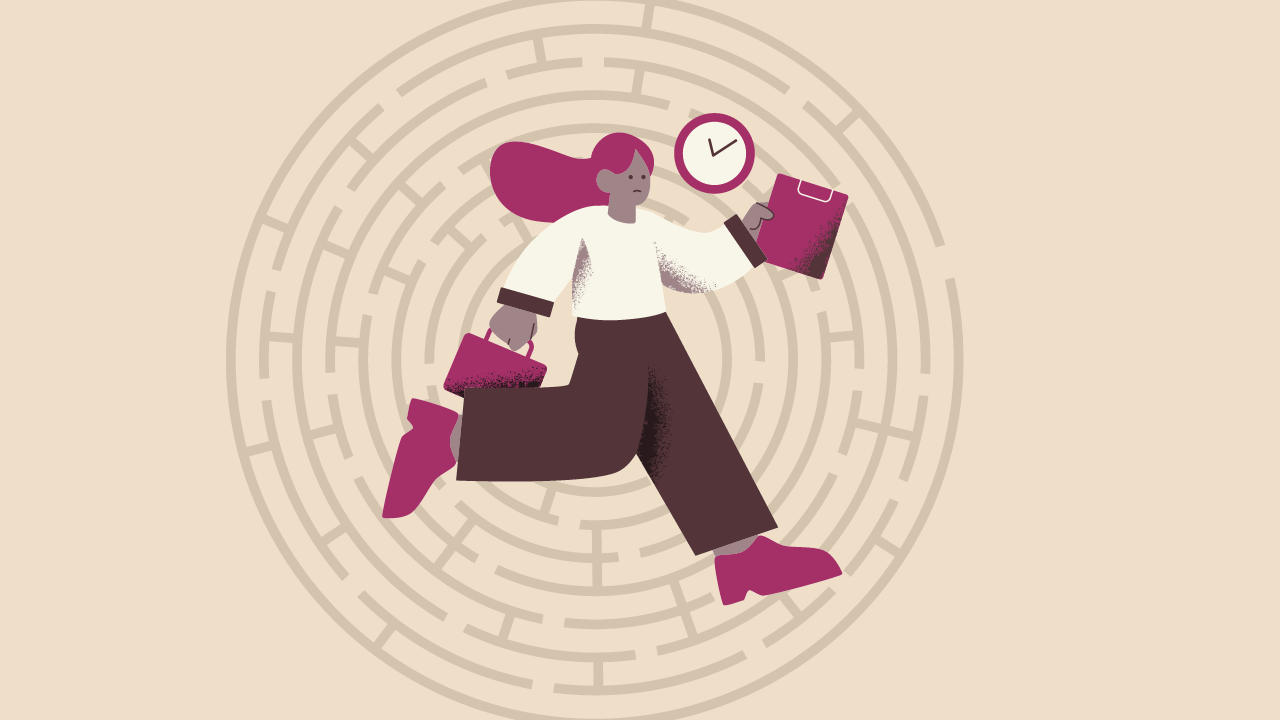


For a long time, I moved through life without questioning it much. I wasn’t unhappy — I genuinely believed I was doing fine. I followed what seemed reasonable, what made sense at the time, what didn’t require too many explanations. It felt easier to go along with things than to stop and ask myself what I actually wanted.
That showed up most clearly in how I made choices. If something didn’t fit easily into the lives of the people around me, I usually let it go. If no one else was interested or available, I told myself it wasn’t that important. Not because I didn’t care — but because it felt unnecessary to push for something that didn’t come naturally.
For me, this became especially clear after finishing high school, when I started thinking about taking a gap year as an au pair instead of going straight to university. I grew up in a rural area in Poland, and in that environment, the path forward often felt very clear. Most of the reactions I received focused on what was considered sensible and expected. People kept telling me that “everyone” goes to university right away, and that choosing something different — even temporarily — meant I would be “wasting my potential.”
It wasn’t said to discourage me. It was said like it was common sense. Like something I wasn’t really supposed to question.
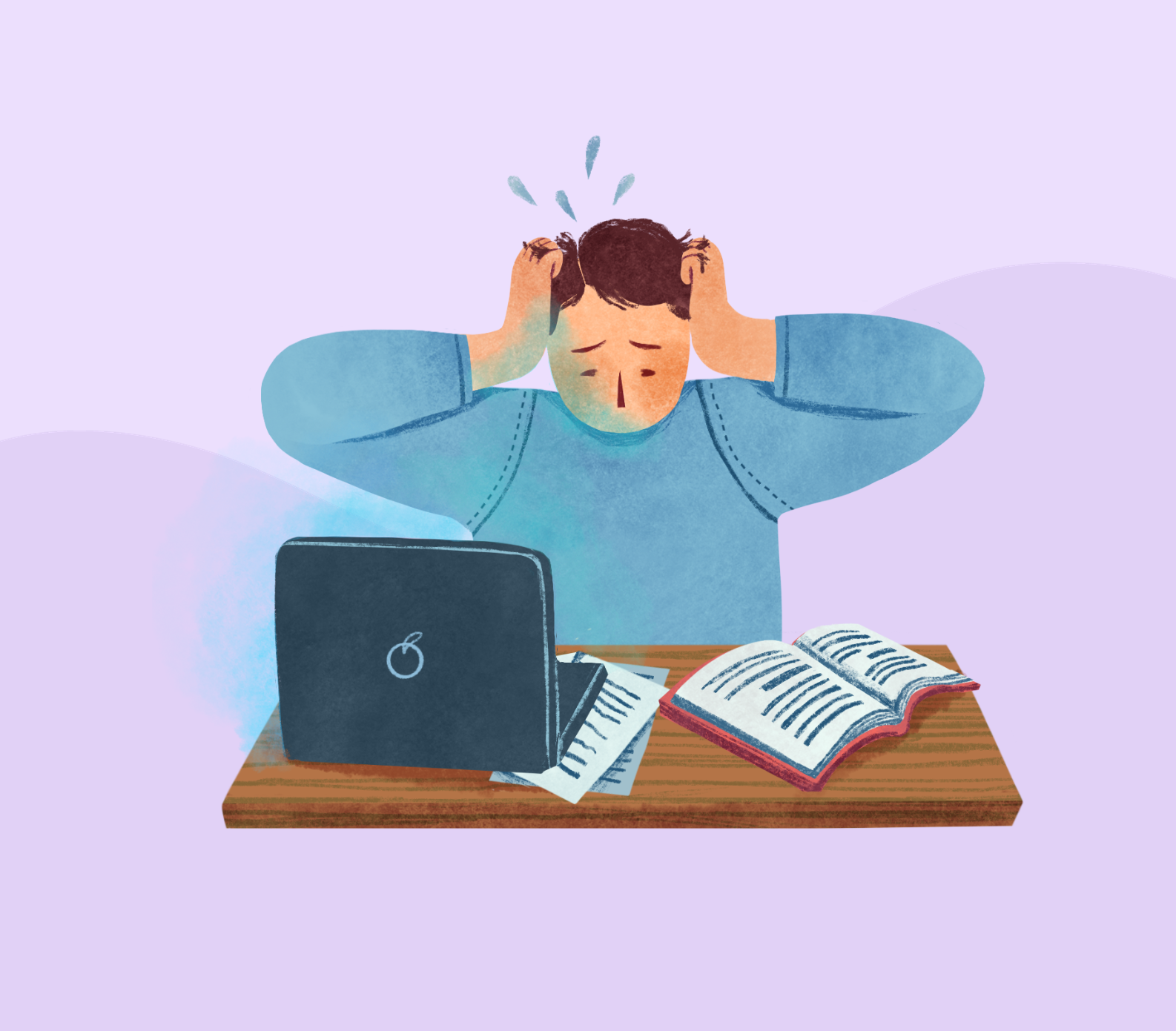
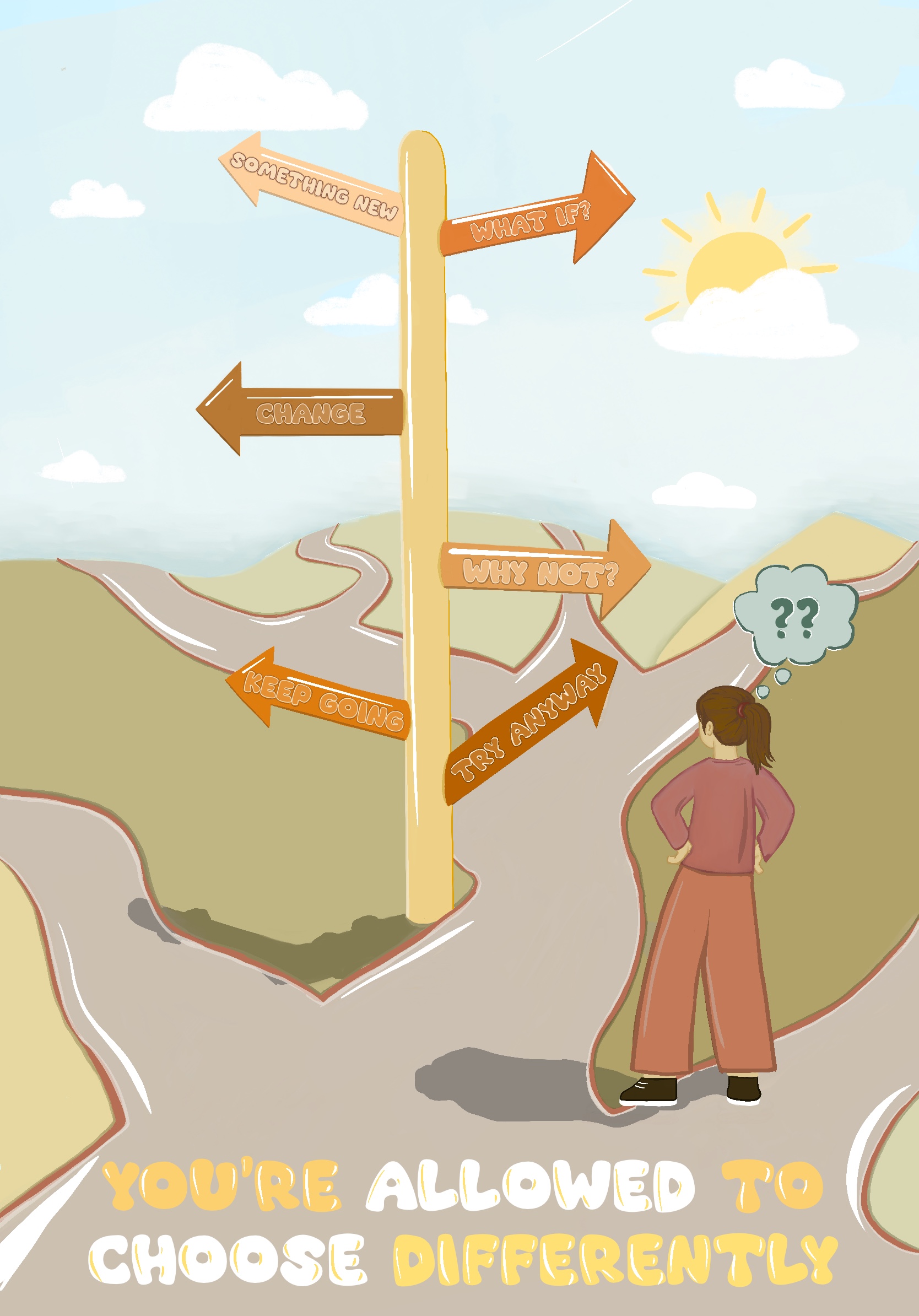
I didn’t have a perfect explanation for wanting something else. I didn’t know exactly what I was looking for. I only knew that continuing on the expected path without stopping felt heavier than trying something unfamiliar.
That decision didn’t suddenly answer all my questions. What it changed was how closely I paid attention. Without the usual expectations guiding every next step, I had to notice my own reactions more — what felt right, what didn’t, and what I had been doing simply because it seemed like the obvious thing to do.
Spending that time paying closer attention also made me realize how many assumptions I had accepted without questioning them — about what I liked, what I wanted, and what I was supposed to feel — simply because I had never paused long enough to listen.
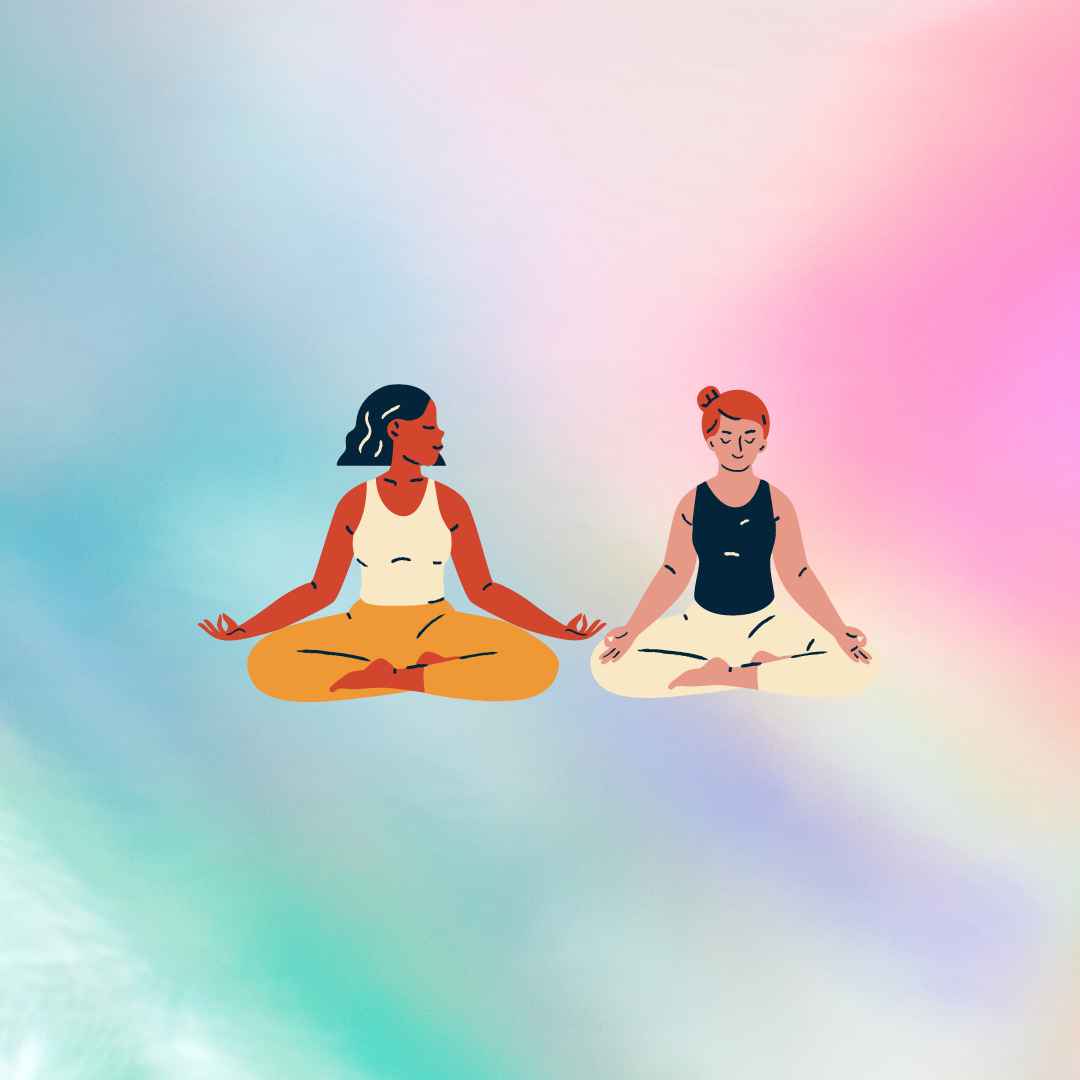
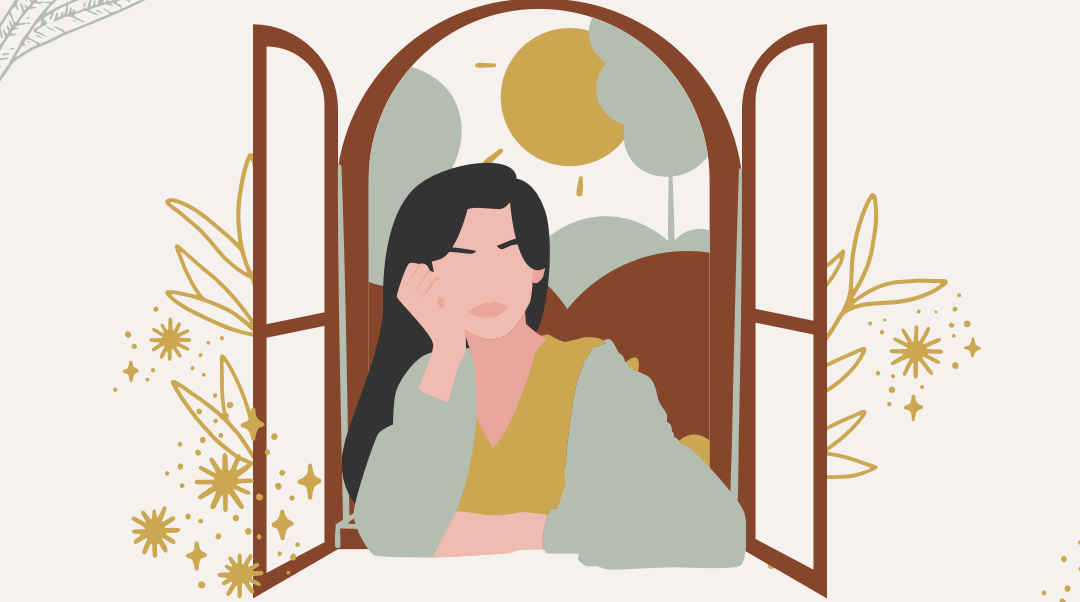
When you stop moving by default, you start noticing the difference between what feels natural to you and what never quite did, even if it seemed to work for everyone else. Things that once felt confusing don’t suddenly become clear all at once, but they start to make more sense — not because someone explains them to you, but because you finally give yourself room to notice.
If you’re unsure about what you want or where you’re going, you’re not behind. You don’t need a perfect reason or a clear plan to start asking different questions. Giving yourself space to notice what feels right — and what doesn’t — can be enough. Sometimes, that’s how you begin to understand yourself more clearly.