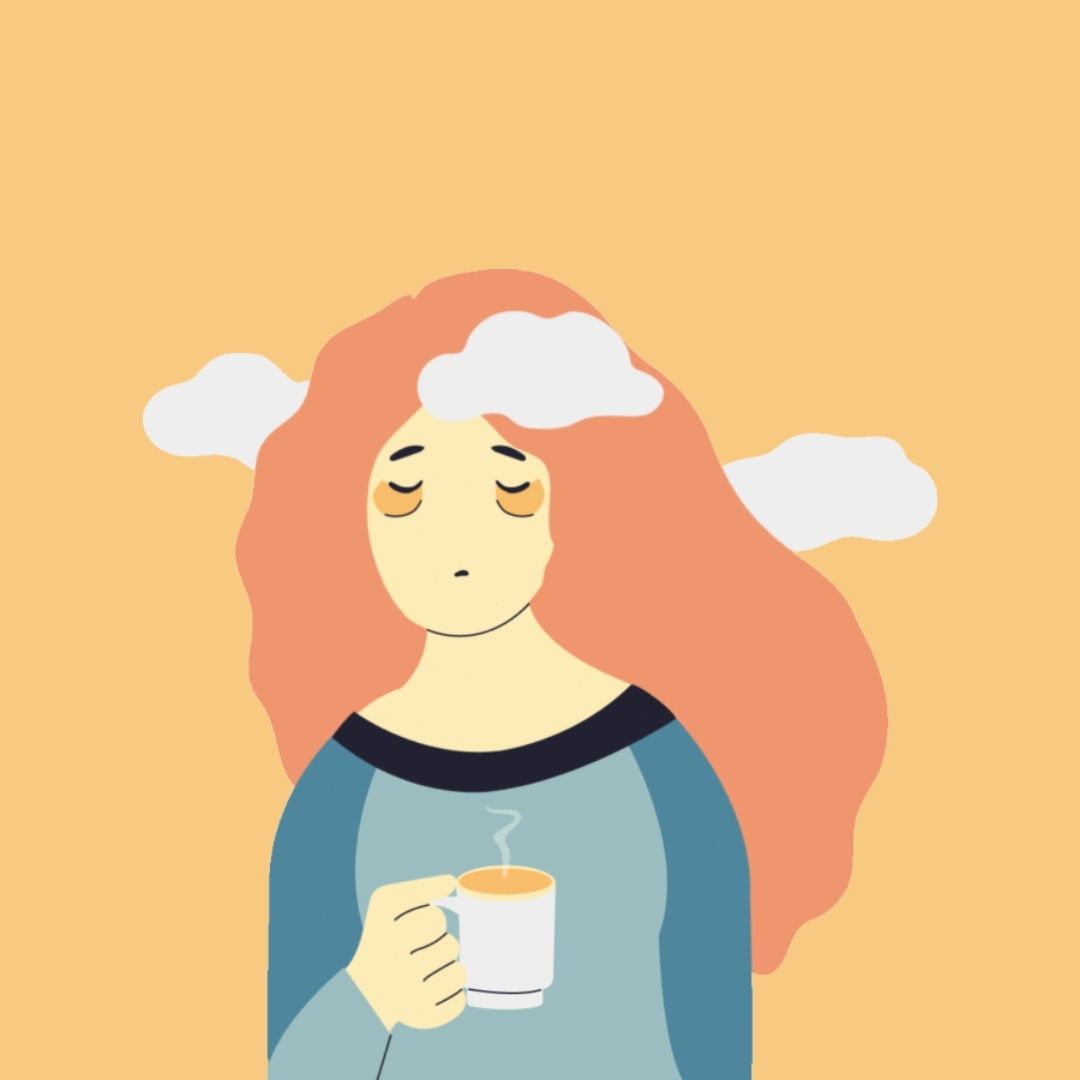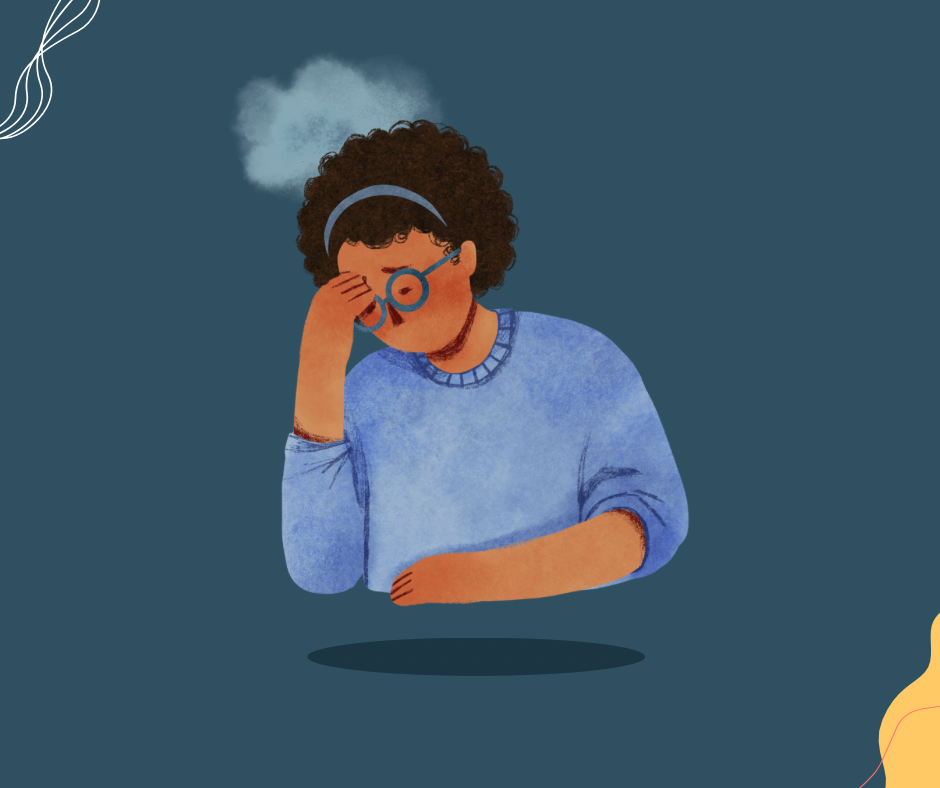


Anger—the least sought—after emotion. Perhaps I am influenced by the signs left up in elementary classrooms: Anger, a bright red figure with its fists clenched, demeaned by the words above saying, “How to manage anger.”
Infused within the sign is the idea that anger is different from you and me. We are calm. Anger is not—it is rot that should be kept managed and purged. Easier to claim that this anger does not belong to you. I am not saying that anger is the answer to everything. It would be foolish to ignore why anger’s association with devastation is justly linked. Anger does not justify unkindness. It does not justify harm. But, it would be equally foolish to let that overshadow the good it can bring. I seek to remind us how very powerful a tool anger can be for social justice and in changing the narrative.
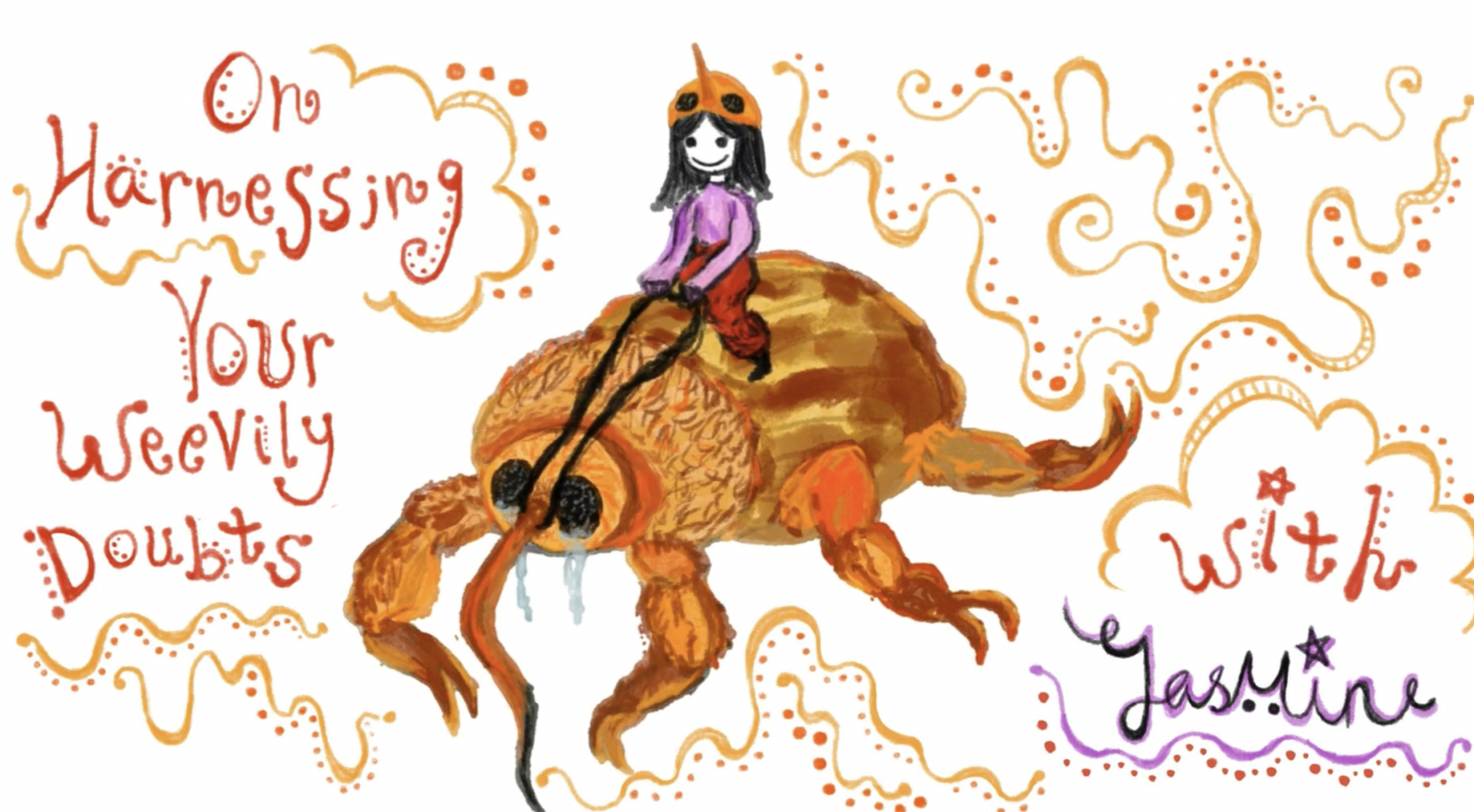
In my family, I am known as the ‘calm’ one. But I disagree. Being calm does not mean being without anger. When I am angry, my skin does not turn red. My fists do not clench. Insults do not fall from my lips. But still, my blood roils beneath the surface. Still, I am angry. I do not manage it; I harness it.
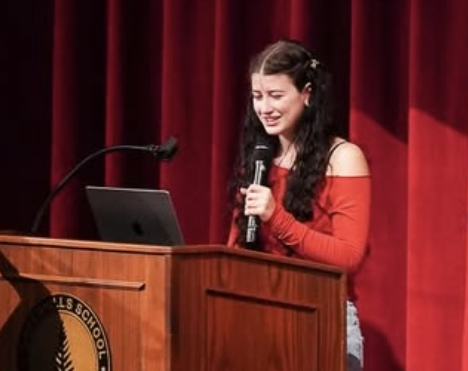
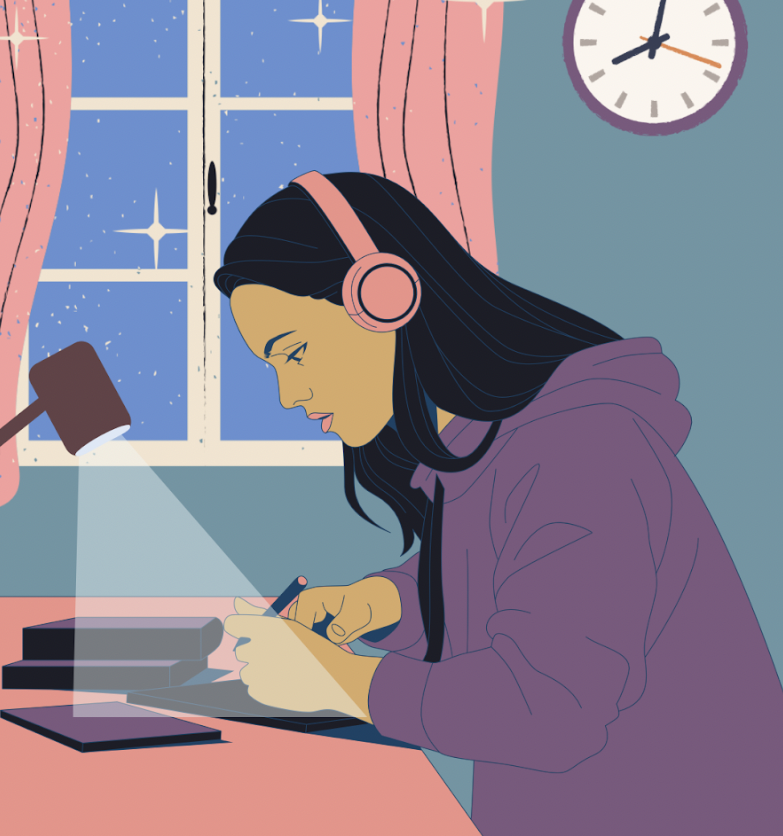
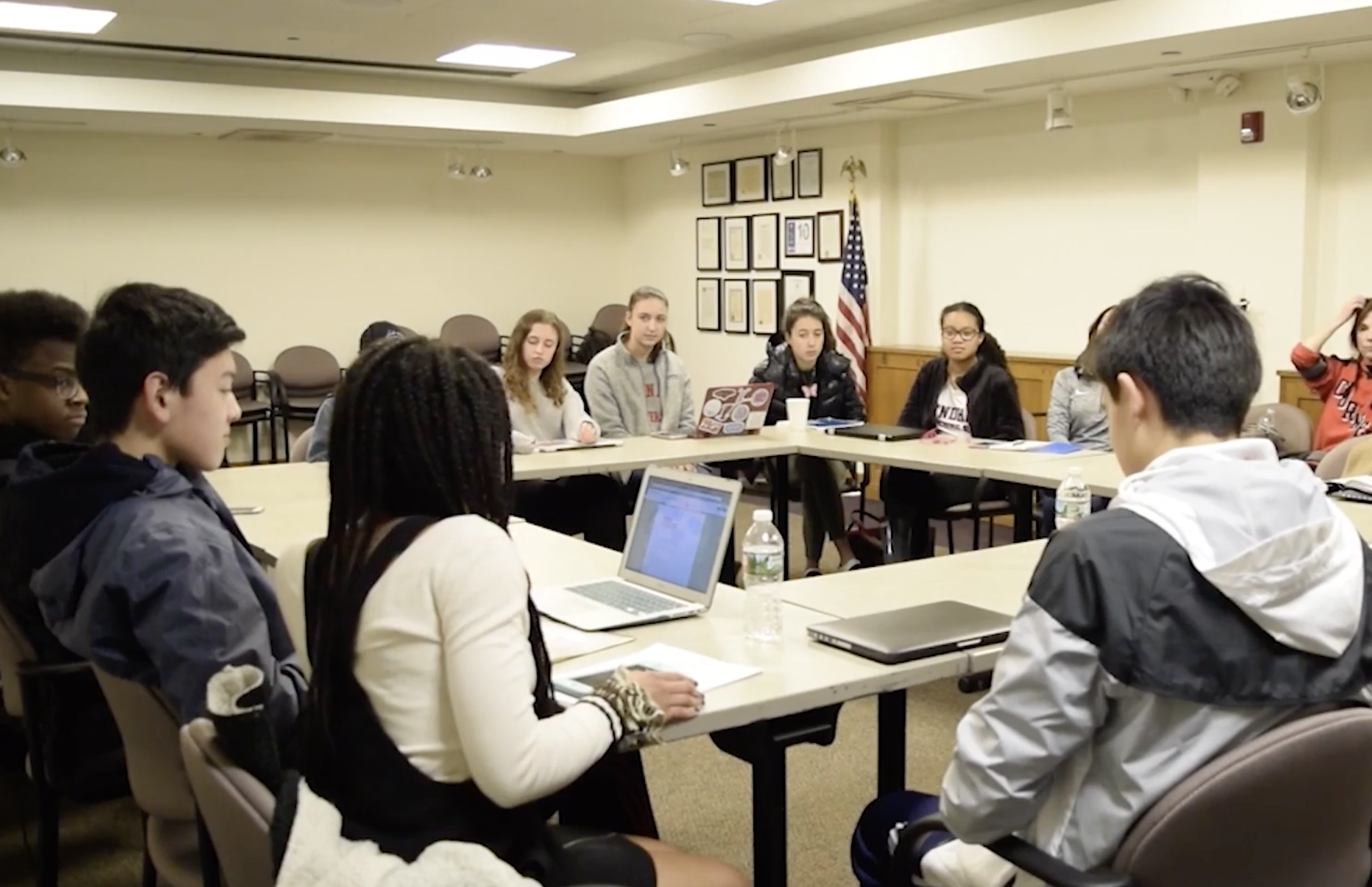
I did not initially become invested in social justice out of anger. In ninth grade, I joined the Ethics Club because it was the only table without a poster, and I felt bad about the barely marked sign-up sheet. I intended to go to one meeting, then ditch. I should’ve known life is never that simple. Sitting there in that dark classroom after school with my mind seemingly melting by frameworks that shook and turned upside down my moral reasoning, I knew one thing: this is what I wanted to do. There’s an intrinsic quality of philosophy that harnesses the willing mind and refuses to let go, and I was more than ready to dive in headfirst. In tenth grade, fueled by endless questions and philosopher-related puns (it just Kant be helped), I met with Professor Steinberg at the University of Michigan, who encouraged me to jump on a workshop call for Justice InDeed.
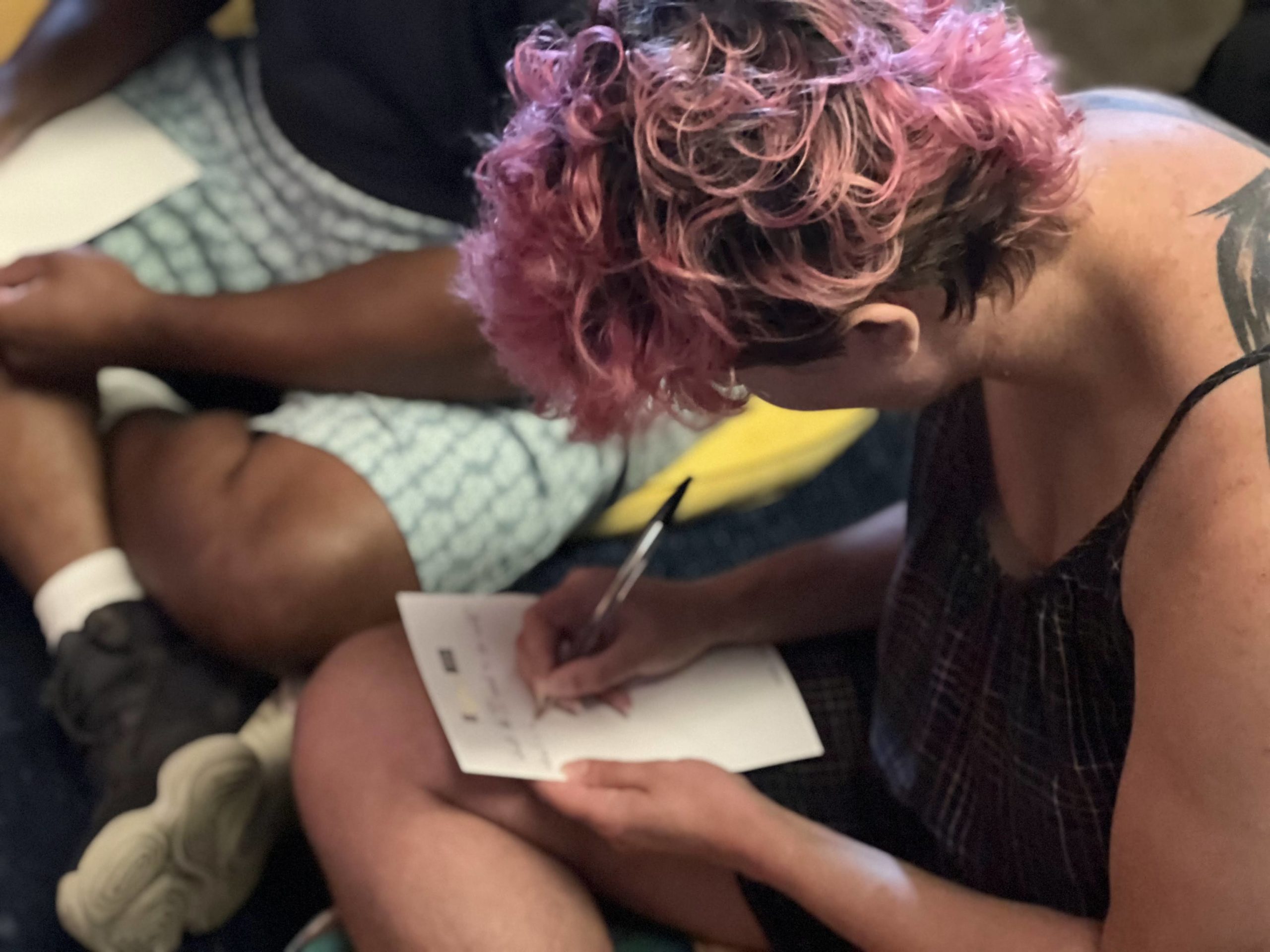
Justice InDeed is a project in Washtenaw County, MI, that removes racially restrictive covenants from housing deeds. By this time, they had been banned for almost sixty years, so I was confused as to why this project was needed. These workshop calls were explained to me as a few hours of transcribing these covenants by volunteers. As I stared at that first stream of slurs that went into great detail announcing who exactly could never live in that subdivision, I felt anger. Anger that the subdivision contained the house I lived in. Anger for the people across my county who would’ve experienced such discrimination and segregation based on skin color or religion. Anger that, although these racist covenants were declared unenforceable in courts by a Supreme Court case in 1948, they continued to be added for no other reason than senseless cruelty for two more decades before being banned.
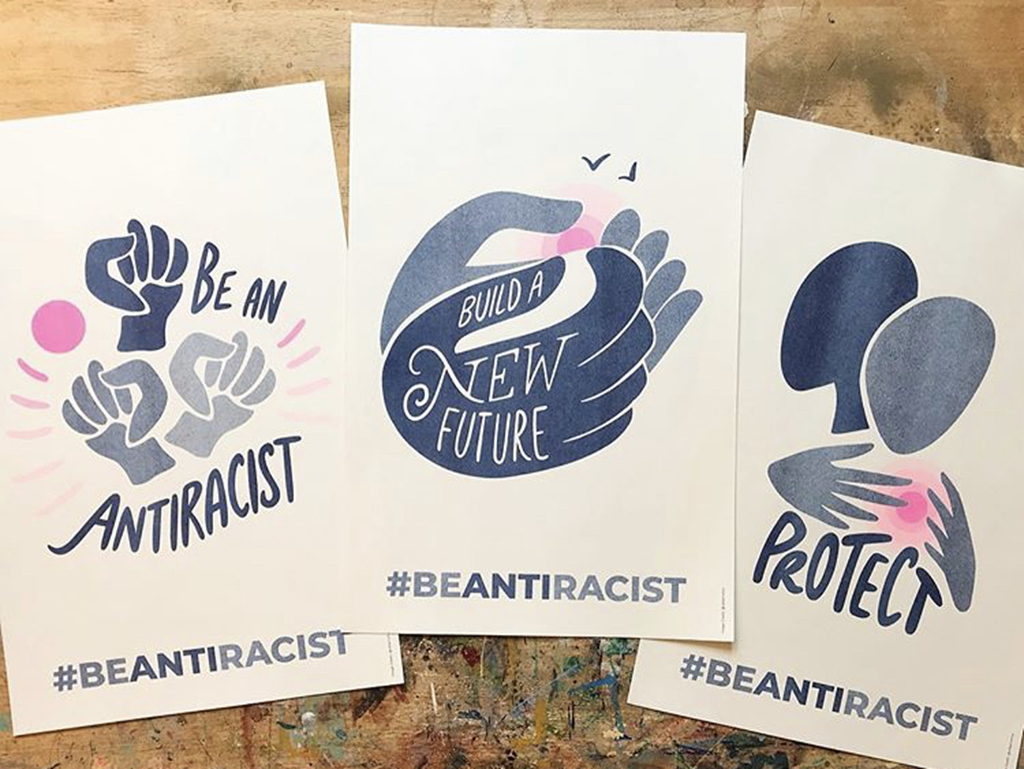
I kept going to those biweekly meetings that summer, transcribing hundreds of documents. I went door to door to get signatures with a notary to officially remove one of these covenants from a nearby subdivision. I promoted Justice InDeed at my town’s Juneteenth festival. Each time someone joined the project, I noticed one thing on their face: anger. It was collective anger that drove us all, that made the project succeed. Although my example is local, so much more is possible because of anger.
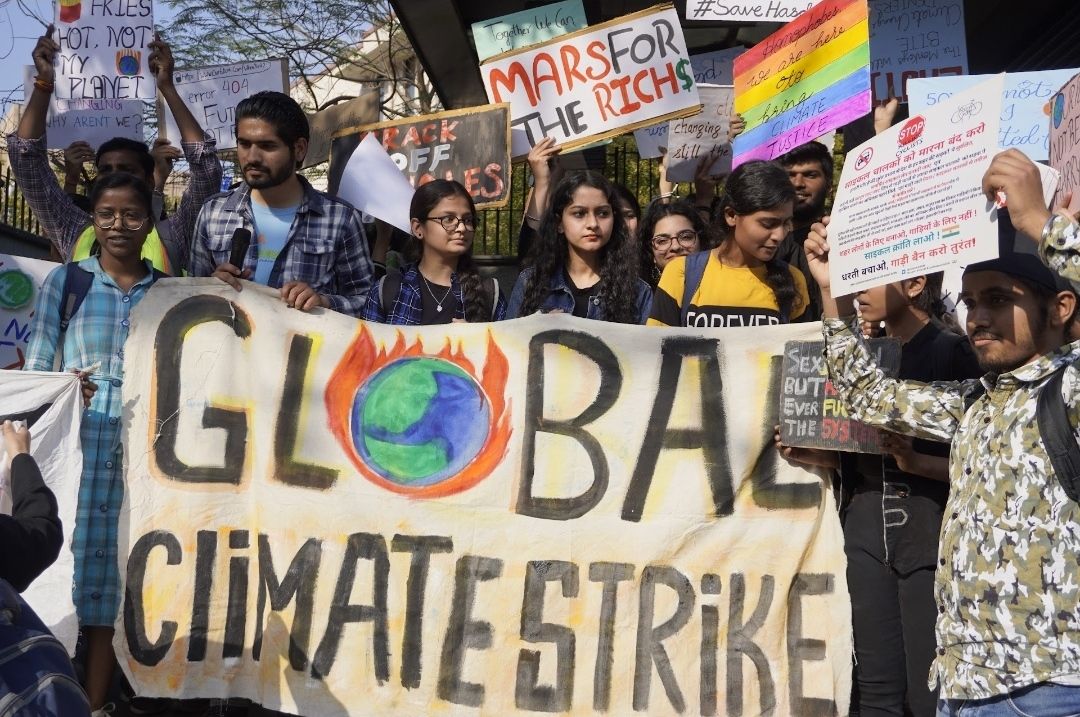
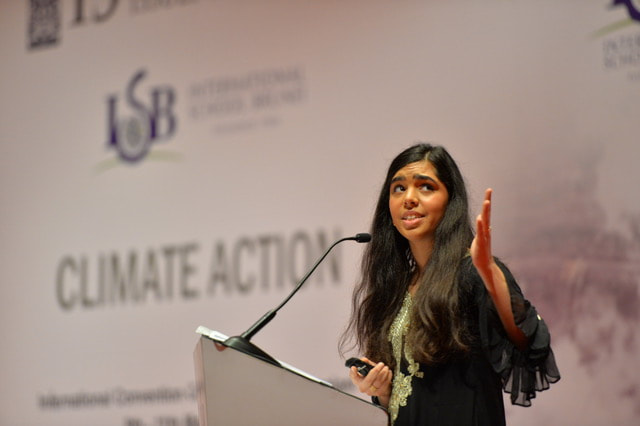
At a UN summit on climate change, Greta Thunberg—who has been nominated for the Nobel Peace Prize four times—told delegates, “I should be back in school on the other side of the ocean. Yet you all come to us young people for hope. How dare you! You have stolen my dreams and my childhood with your empty words.” She harnessed her anger to call the attention of delegates who had turned a blind eye to the worldwide catastrophe that is global warming. It was the anger of suffragettes that gave women the right to vote. Lucy Stone, a pioneer of the women’s suffragette movement in North America, angrily said, “If a woman earned a dollar by scrubbing, her husband had a right to take the dollar and go and get drunk with it and beat her afterwards. It was his dollar.”
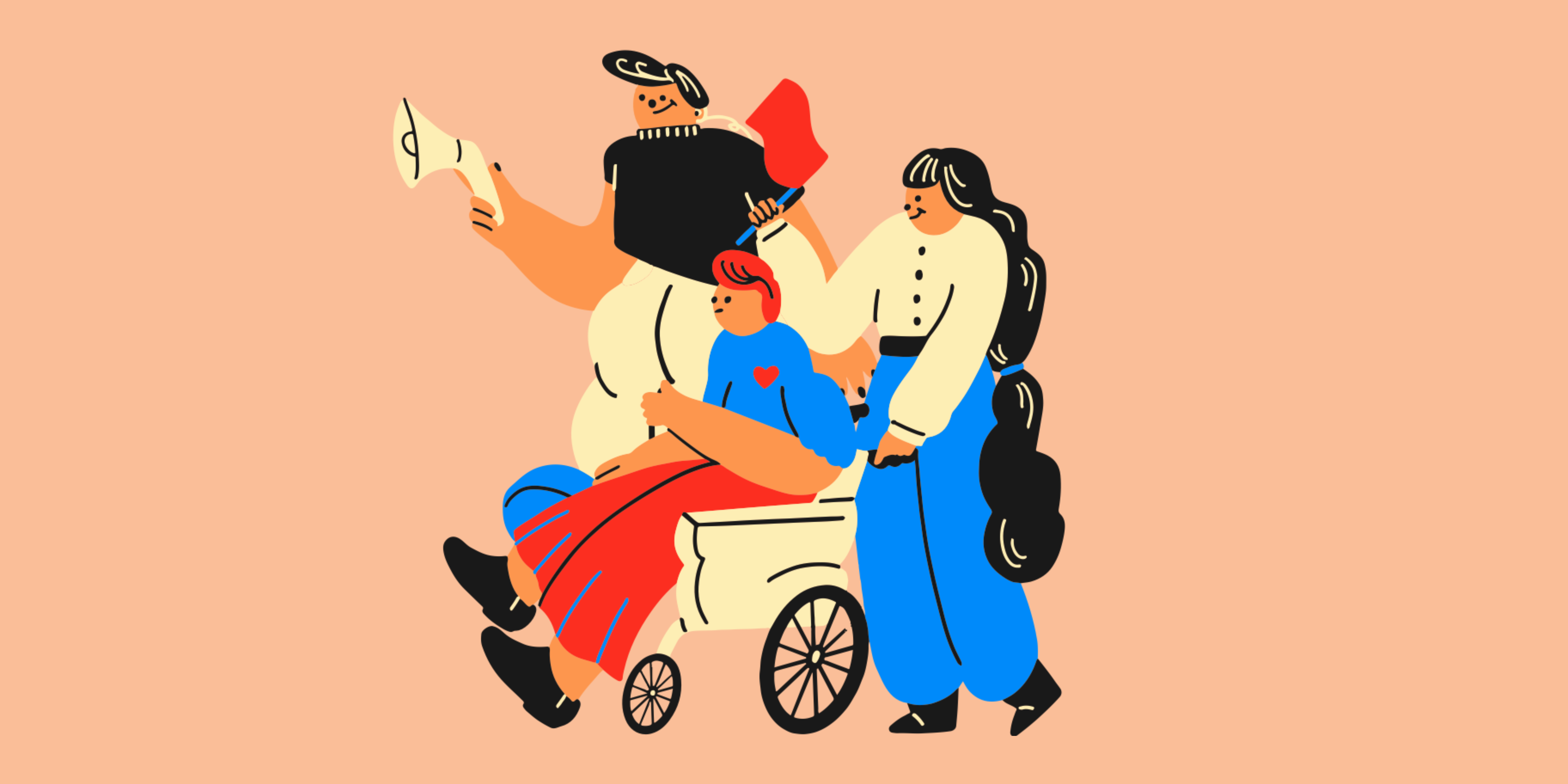
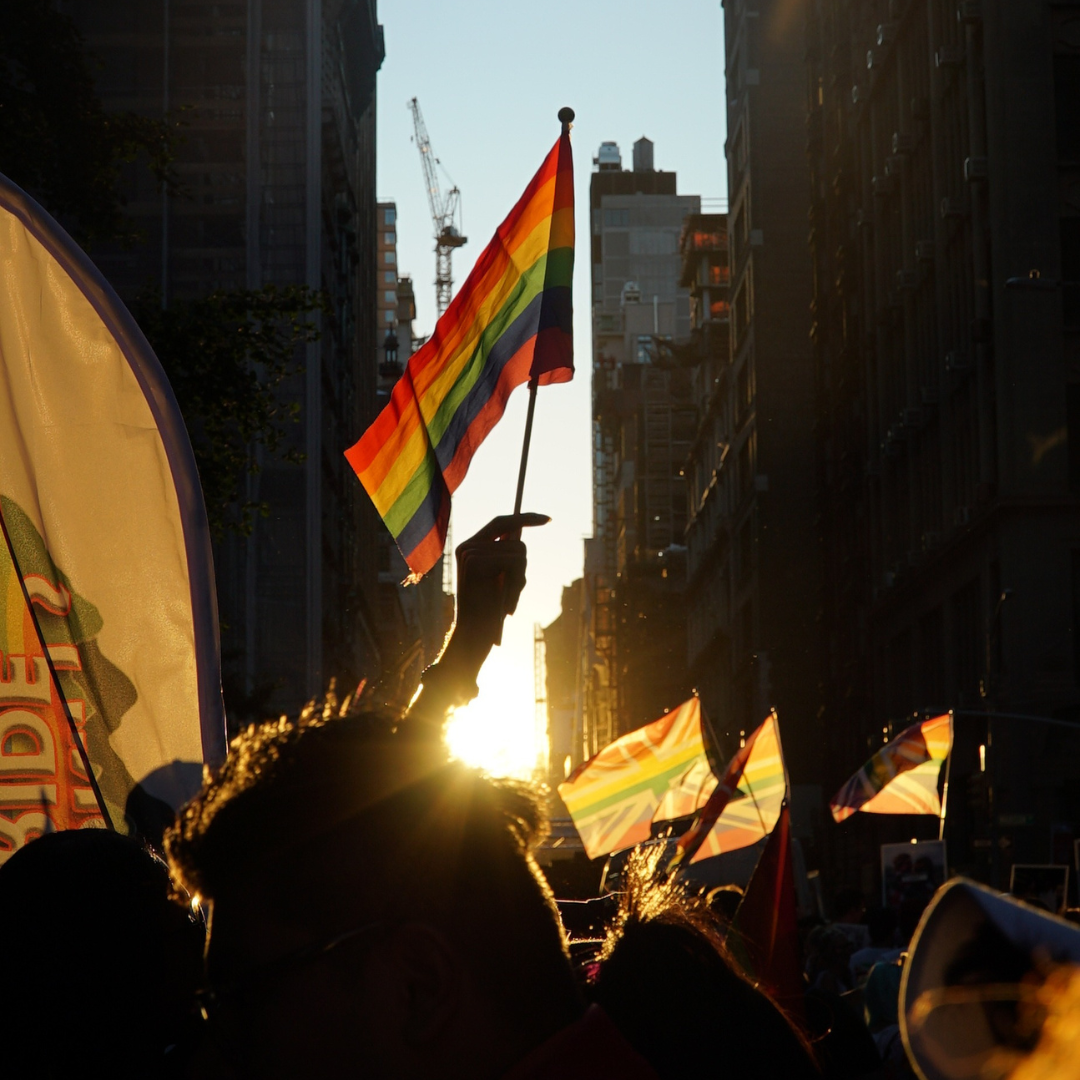
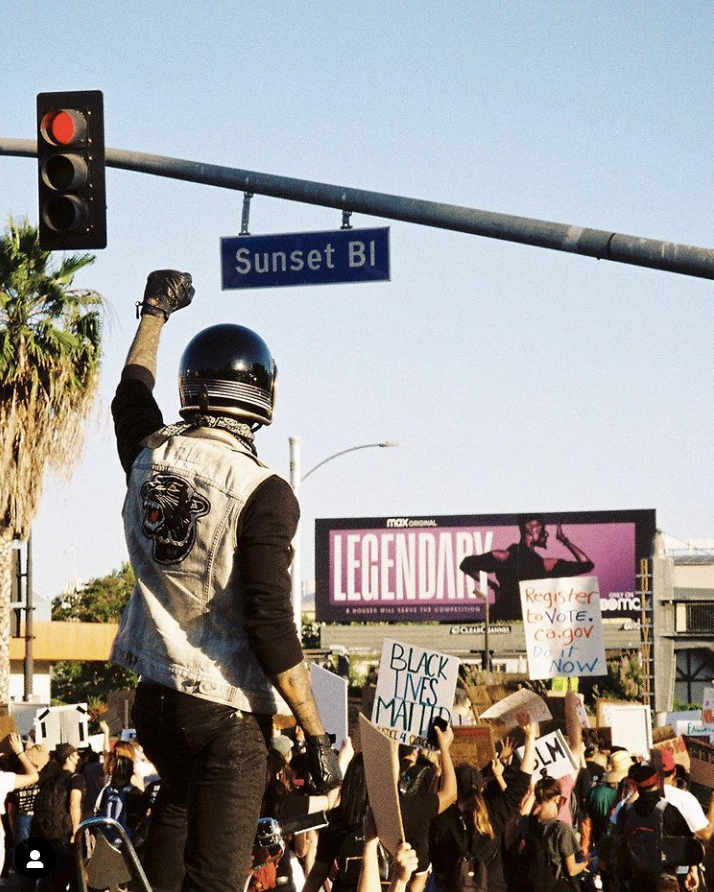
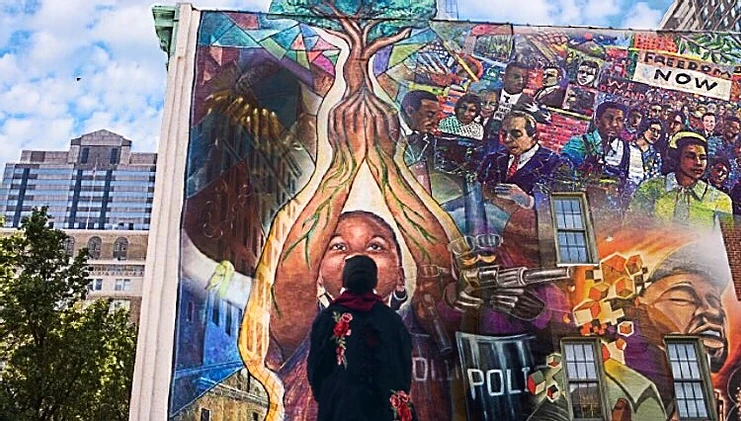
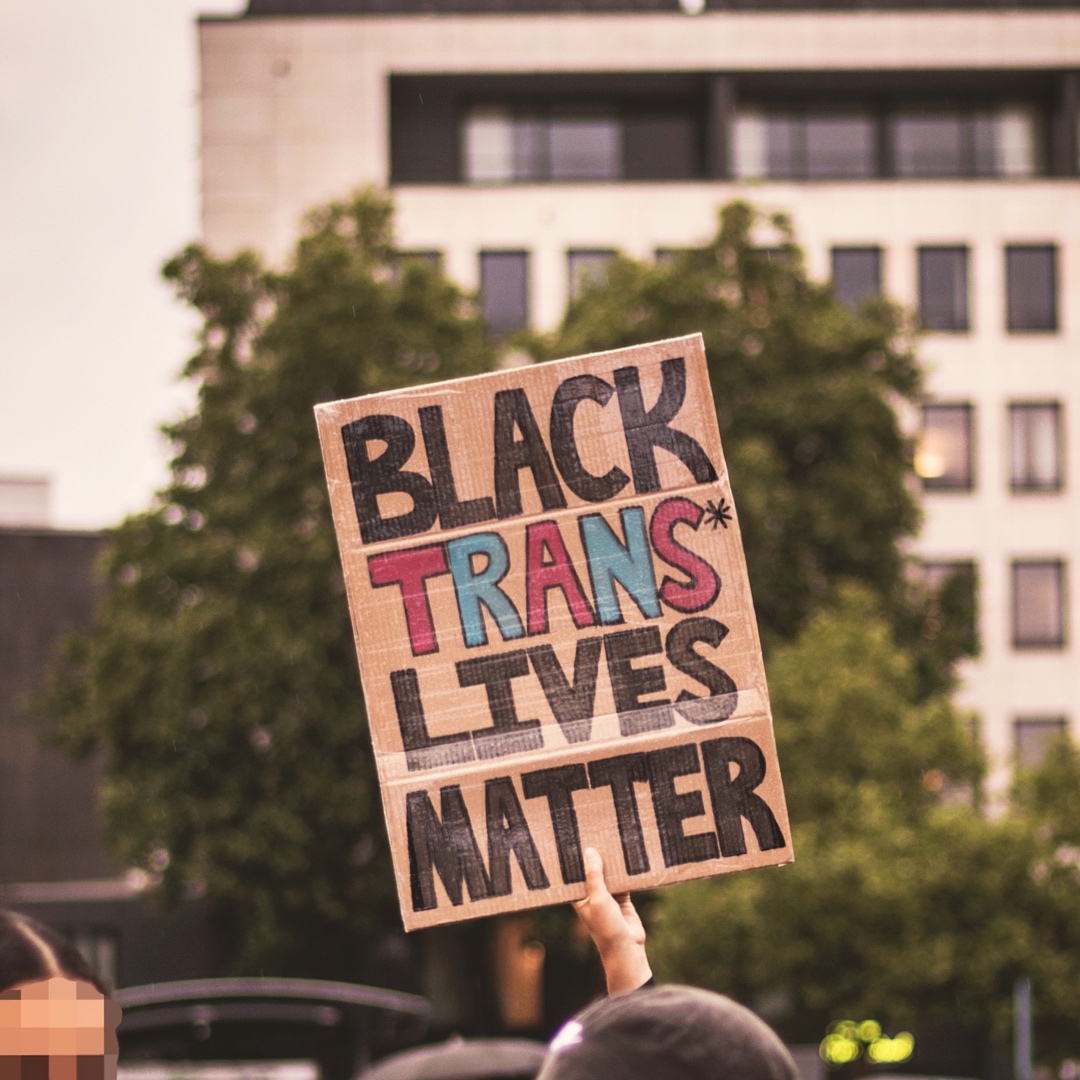
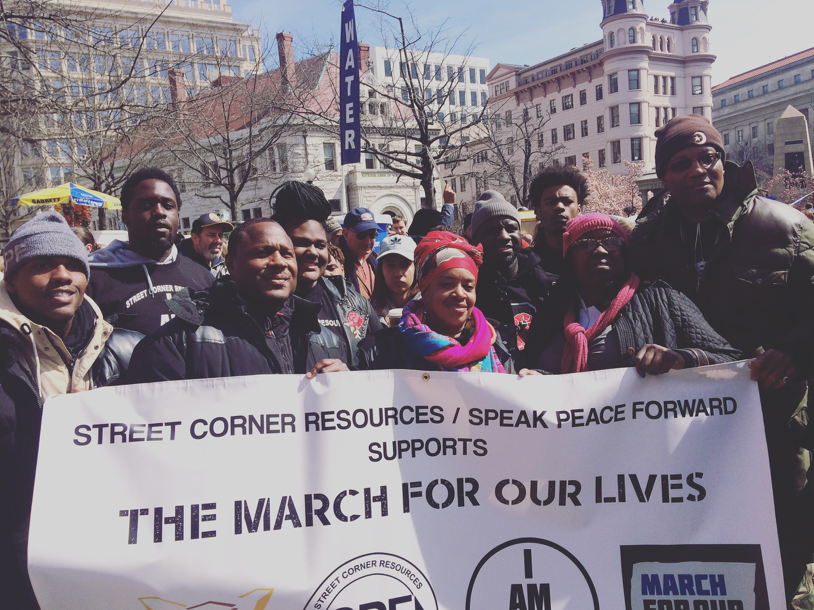
Inequalities are sometimes only noticed when they are proclaimed loudly and angrily, over and over again, until those in power are left no choice but to act. ACT UP. The Stonewall Riots. Malcolm X. Zhou Xiaoxuan. Fred Hampton. Shiden Tekle. Amika George. Huey P. Newton. Harnessed anger has driven these movements and people to speak up in the face of countless discriminations and unjust faults within political systems.
It is here that I wish to leave my final message. Do not be afraid to anger. Let anger fuel your choice to be better. To fight for what you think is right. To speak up against injustices. This anger belongs to you. Claim it.